


December 4, 2025
In 2025, we were told time and time again that AI is the future — that it will democratize music. People who can’t carry a tune or play an instrument can simply type what they want, such as “deep female soulful vocals,” into a search bar. As we are just learning, that is essentially how a 31-year-old novice poet from Mississippi turned her verses about heartbreak into the songs that imitate R&B from the South, and the first AI creations to make Billboard’s radio charts. AI artists have since topped country and even Christian music charts. Which is ironic, since nobody prayed for this.
The thing is, AI can only synthesize what’s been done in the past. How can it possibly speak to this moment, with all its unprecedented anxieties and all its uncharted potential? By comparison, the best albums we heard this year speak to a much brighter future. These picks are too sharp in their wordplay and too specific and unexpected in their production choices to be mistaken for anything artificial. They show us what the country and rap songs from our past can teach us now, the lessons in nature that we can’t Google, and the parables that exist in our everyday lives beyond those in the Bible. They present answers to life’s questions — and where music is headed next — that can’t be found by an algorithm.
Whether these artists come from a farming town in Kentucky, the Cherokee Nation in Oklahoma, or the streets of East Atlanta, their origin stories shine brightly with each note, forging human connections that technology can imitate but never generate. Don’t waste your time with AI slop. These albums have what you’ve been searching for, and more, this whole year.
— Christina Lee
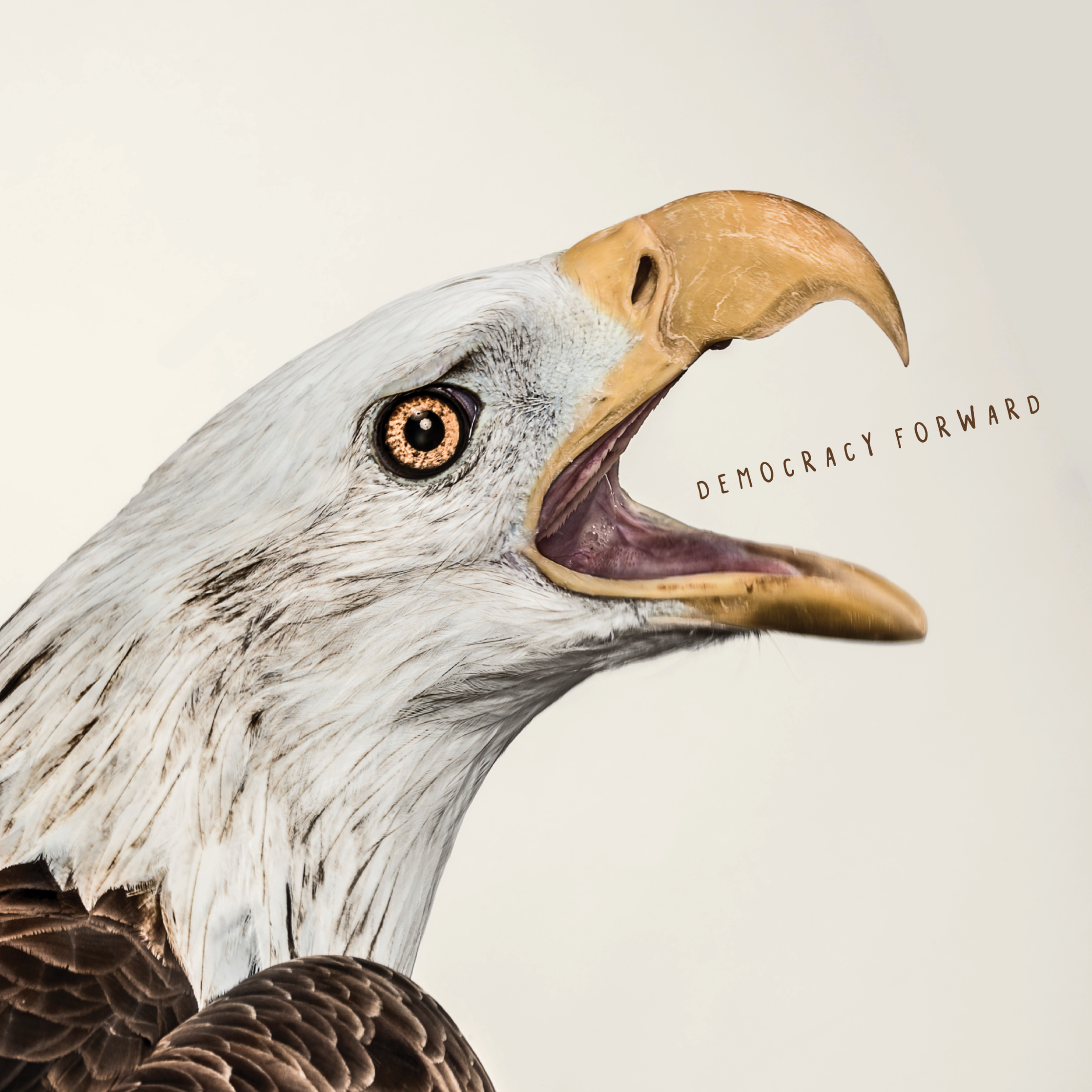

Home: Athens, Georgia, and Washington, D.C.
Favorite Track: “Invocation” / Michael Stipe
This compilation, ranging across genres and political movements, is for those who feel worn down in tough political times. They’ll be in good company — among the likes of John Prine pointing to the Vietnam War’s high death toll and next-gen voices calling for peace and understanding in the age of a certain “self-centered numbskull,” to quote Tunde Adebimpe. Each track in Democracy Forward started as an individual dispatch, from different moments in America’s journey toward creating a more perfect union. But it’s worthwhile to hear them together, as they form a powerful chorus of voices. (What’s more, all proceeds go to Democracy Forward, a legal organization using the courts to defend progress, disrupt extremism, and fight tirelessly for our democracy.)
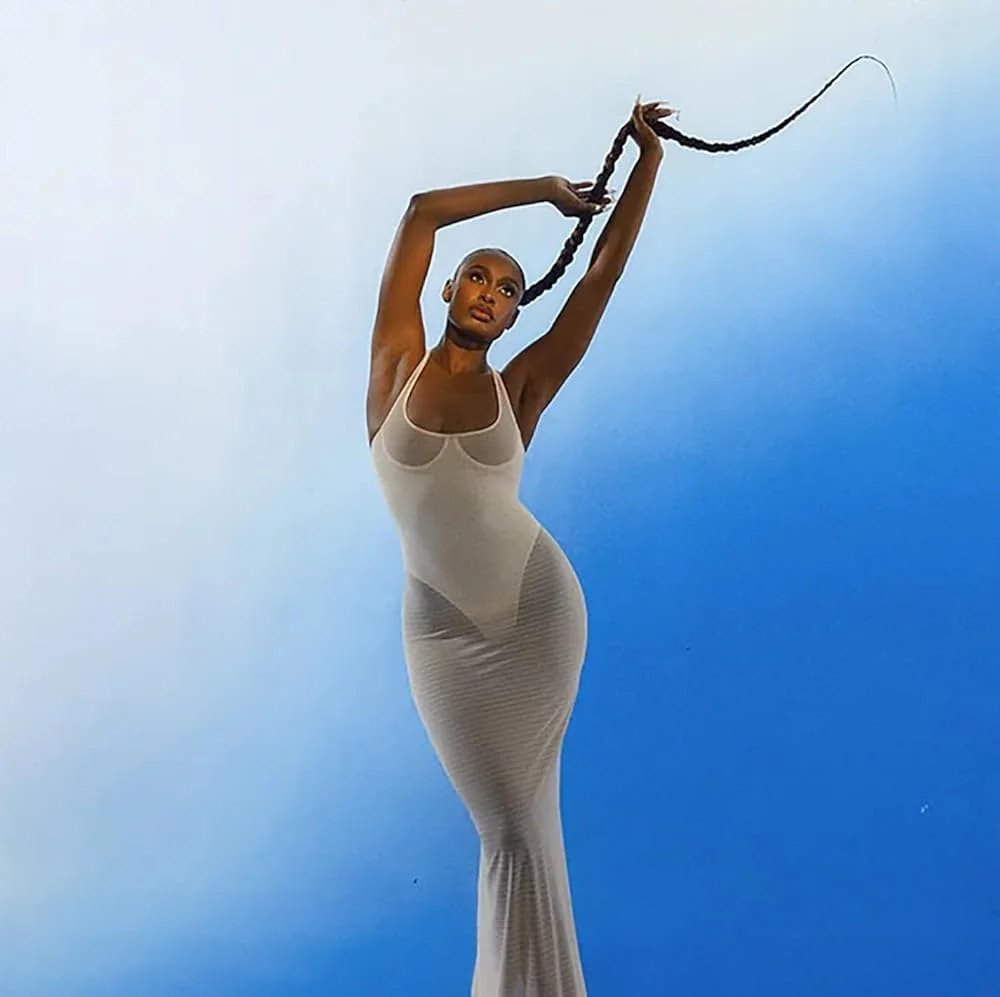

Home: Lebanon, Tennessee
Favorite Track: “Hit You Where It Hurts”
How does Coco Jones follow up winning her first Grammy and showing she could hold her own next to Babyface? She releases an album that shows that we ain’t seen nothing yet. Compared to how she was an R&B tradition-bearer three years ago, Jones fearlessly chases after wide-ranging influences: In “Taste,” she turns “Toxic,” Britney Spears’ action thriller of a pop song, into a slinky number. She has the range to interpolate Luther Vandross and coax a striking confession from Future, Atlanta rap’s most infamous womanizer: “They tryna treat me like a womanizer and I don’t wanna be like that.” All the while, Jones’ powerhouse vocals and ability to turn vexing situationships into alluring R&B songs remain intact. As listeners, we can’t help but ask the same question as Jones’ album title: Why not more?

Home: Baltimore
Favorite Track: “I Care”
The ethos behind hardcore music has always been simple: harder, faster, louder. Meanwhile, after breaking out of Baltimore’s hardcore scene, Turnstile has wondered whether its music should be so relentless. The best moments in Never Enough answer that question. Halfway through the title track, the band’s guitars and drums abruptly exit, allowing us to catch our breath during the song’s ambient outro. “Sunshower” ends with a flute solo by jazz musician Shabaka Hutchings, a moment of serenity before the album crashes into “Look Out for Me.” The more the band toys with extremes, finding refuge in the album’s softer, quieter moments, the harder those bursts of punk energy hit.
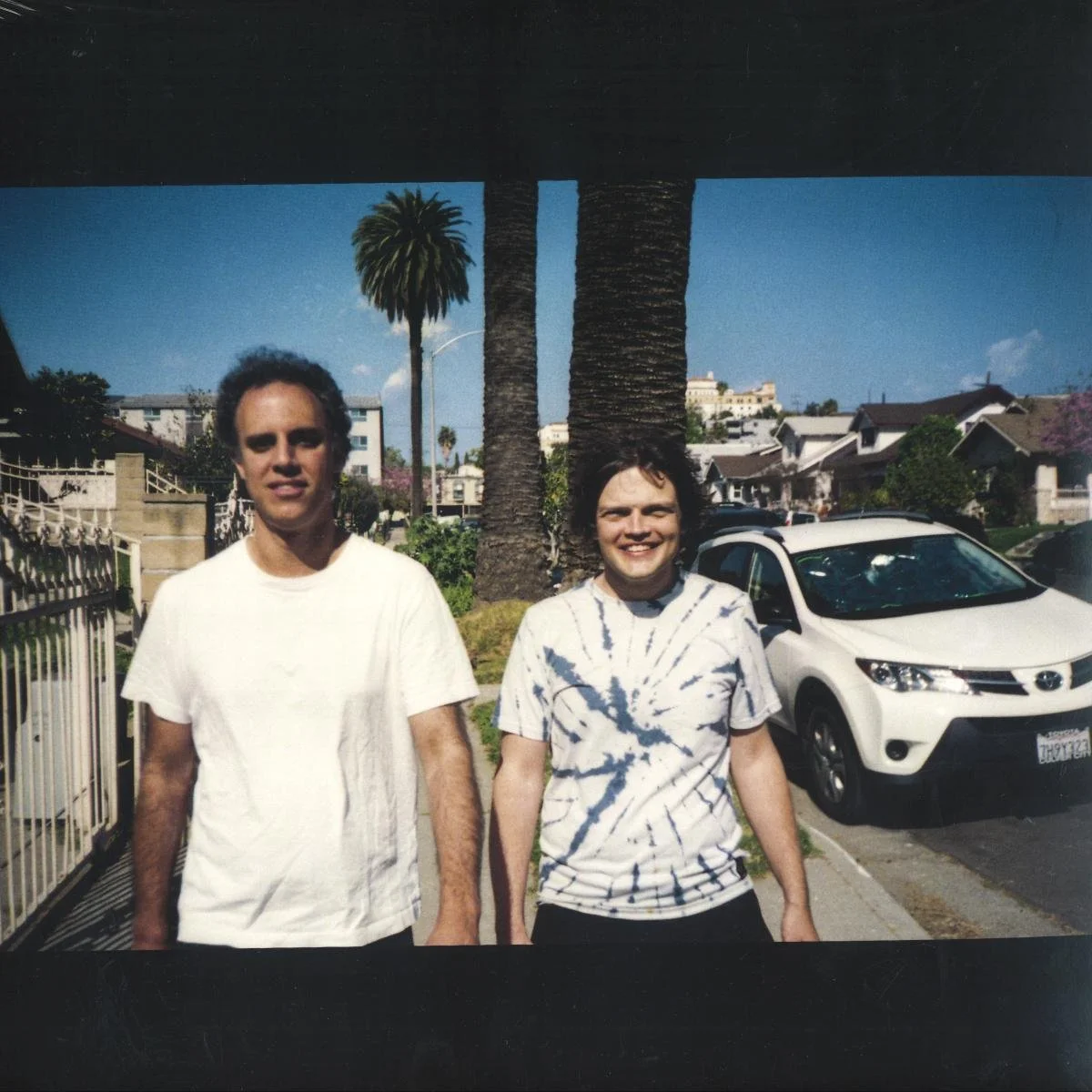

Home: London and Nashville
Favorite Track: “If I Had a Boat”
One is a producer whose music has been dubbed “folktronica.” The other is a country guitarist interested in the avant-garde. Together, they show how much common ground they have, sharing how they’ve studied music’s past and carried it into the future. The album begins with an instrumental rendition of Lyle Lovett’s “If I Had a Boat.” In the 1987 original, it’s easy to get caught up in the details of Lovett’s story (the name of his pony, what they’d do together, and so on). But Hebden and Tyler’s 2025 remake doesn’t just travel across an ocean — with how the ambling guitar melody wanders through synths that drone and pulse like satellites, we travel through space, too.
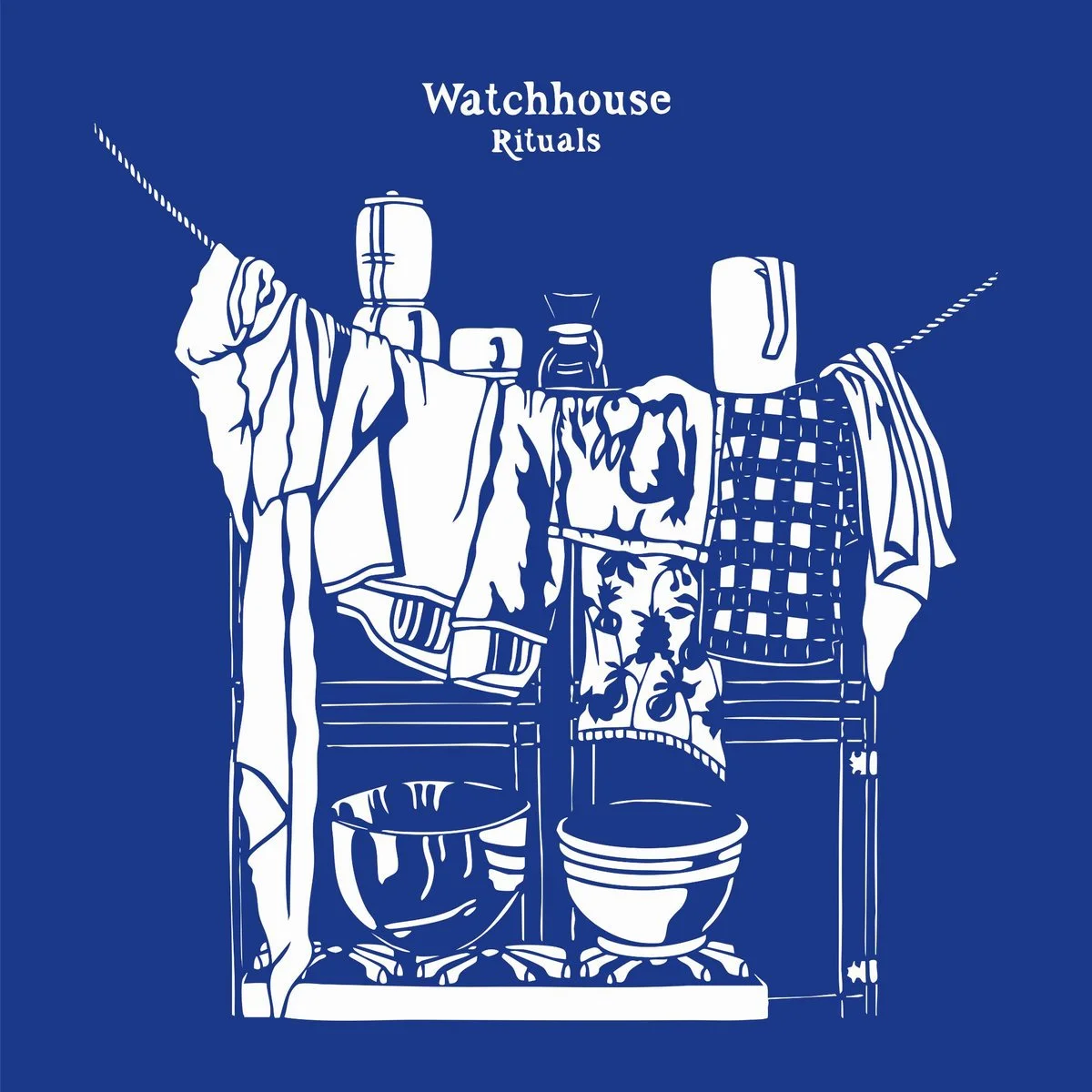

Home: Chapel Hill, North Carolina
Favorite Track: “Beyond Meaning”
“And there’s no time for talking with the ones that you call friend / What a busy life we lead, just working towards what end,” Andrew Marlin sings on “All Around You,” the second track off Rituals. Whether they realize that they don’t know their neighbors’ names, or recover from an unexplained incident where “the rain and blood collide,” husband-and-wife duo Marlin and Emily Frantz reassess how they spend their days, one lovely folk song at a time. Watchhouse released Rituals in May 2025, but it’s also perfect for right now, as so many of us resolve to do things differently in the year ahead.

Home: Atlanta
Favorite Track: “Eternal Flame”
Mariah the Scientist already had die-hard fans, like-minded R&B devotees of love that is a lost cause. (As rapper Waka Flocka Flame once pointed out, Mariah’s music “do be making women mad,” by making them face how they’ve been wronged.) But Hearts Sold Separately is her sharpest album yet, where she’s turned past heartbreak into what are sure to become karaoke songs worth wallowing in. “Still I pray for love instead of common sense,” she sings, as if fending off onlookers who question her ride-or-die status with rapper Young Thug throughout his RICO trial, the longest in Georgia’s history. Meanwhile, she’s guaranteed that she’ll be singing to sold-out rooms, filled with people who’d unquestionably do the same.

Home: Dallas
Favorite Track: “Cut Paper”
Over the years, Jason Dungan moved from Texas to Switzerland, then to Copenhagen. The further he lived from the American South, though, the more he found himself revisiting players and sounds he most associated with the region, like pedal steel guitar. Today Dungan makes music as Blue Lake, using folk instruments from both sides of the Atlantic to make rolling landscapes of songs. Dungan is so prolific that he actually released two albums this year: Weft in January, and The Animal in October. But while Weft’s music builds and crests as if played by an ensemble, The Animal marks the first time Dungan actually worked as a bandleader — and the music is all the richer for it.
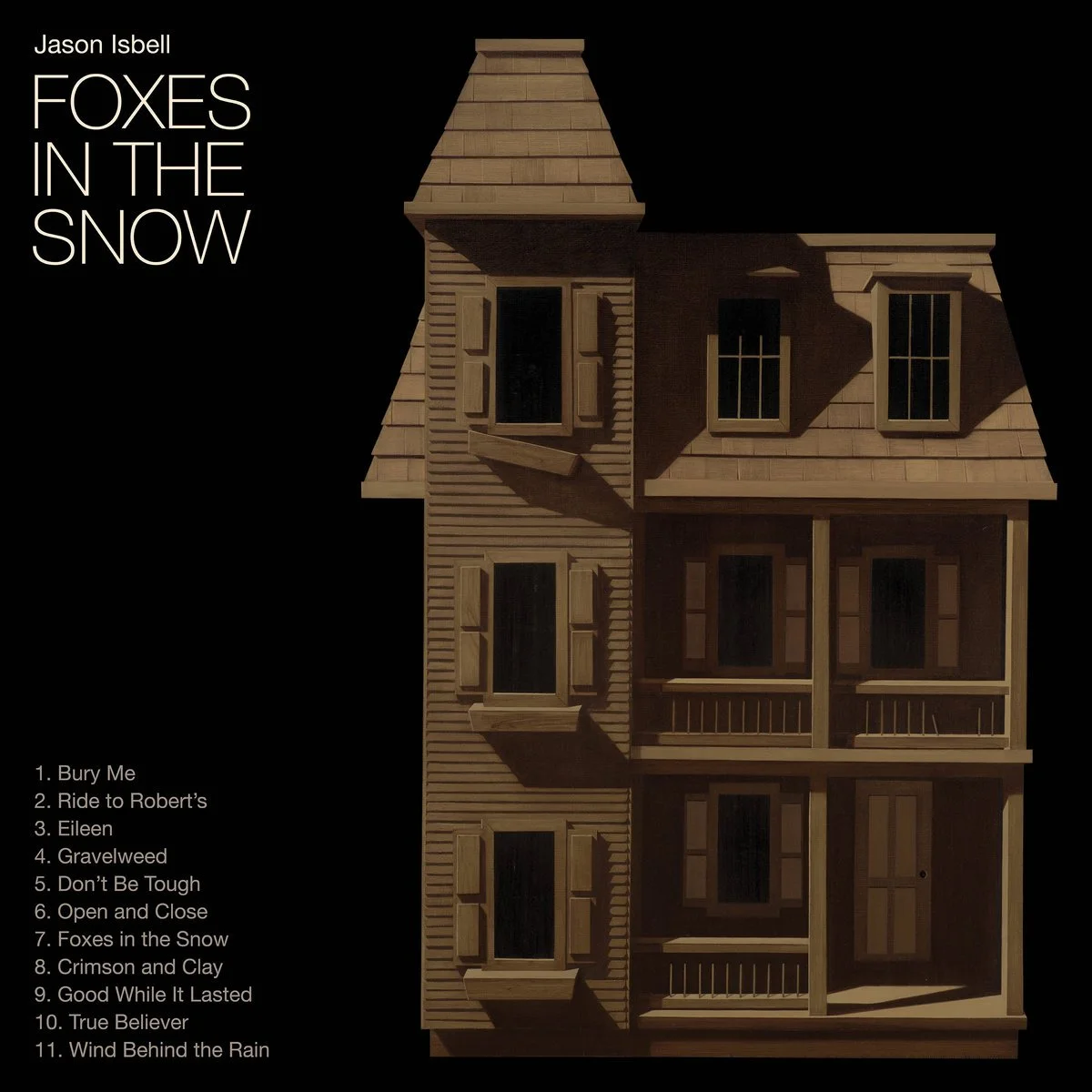

Home: Nashville
Favorite Track: “Eileen”
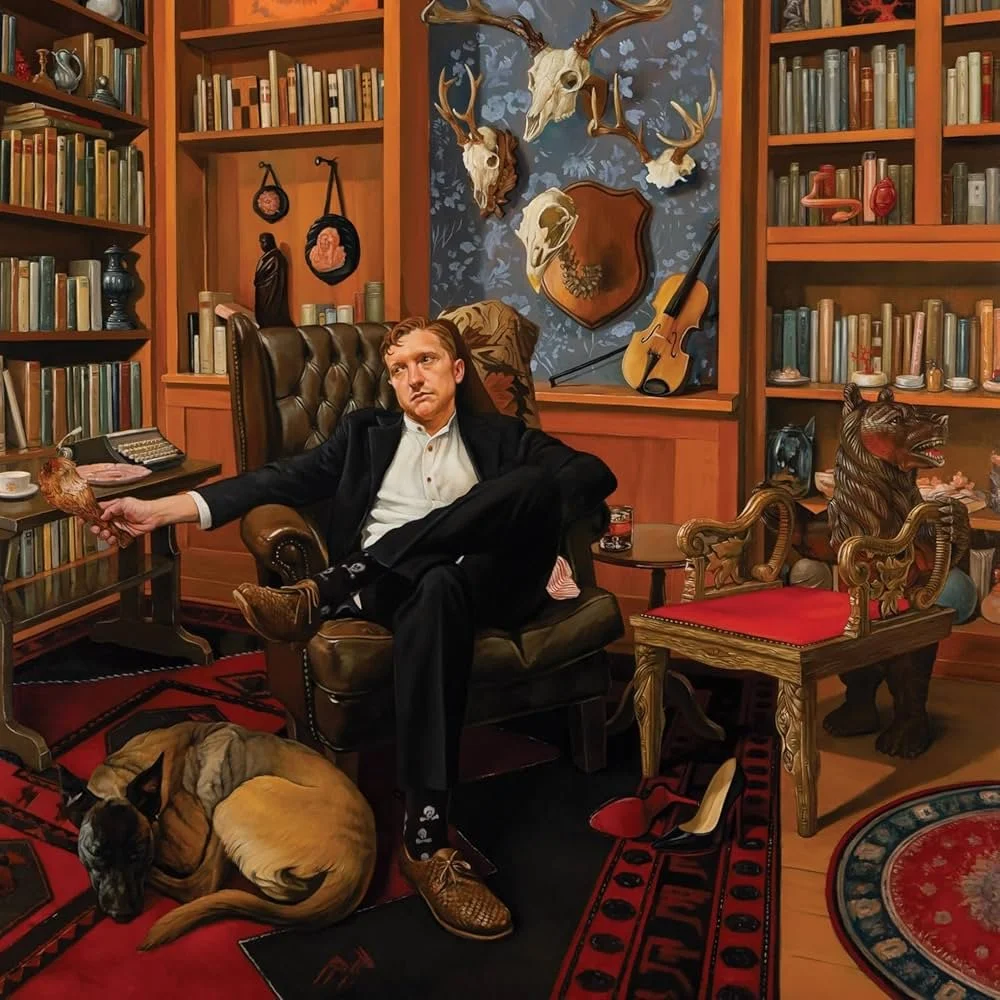
First, he filed for divorce. Then he found love once more. Wanting to reflect upon that transition, he realized that he should do so alone. But Jason Isbell’s first solo album in a decade, an all-acoustic affair, is anything but closed off. Instead, he turns the unexpected into intimate conversational songs about the requisite anger (“True Believer”) but also the grace required to work through past resentment (“Eileen”). Isbell says he wanted to challenge himself by stripping his music down — to sit with his feelings alone. In the end, he inspires us to do the same.
Southern Exposure: Many years in Murfreesboro, Tennessee
Favorite Track: “Afterlife”
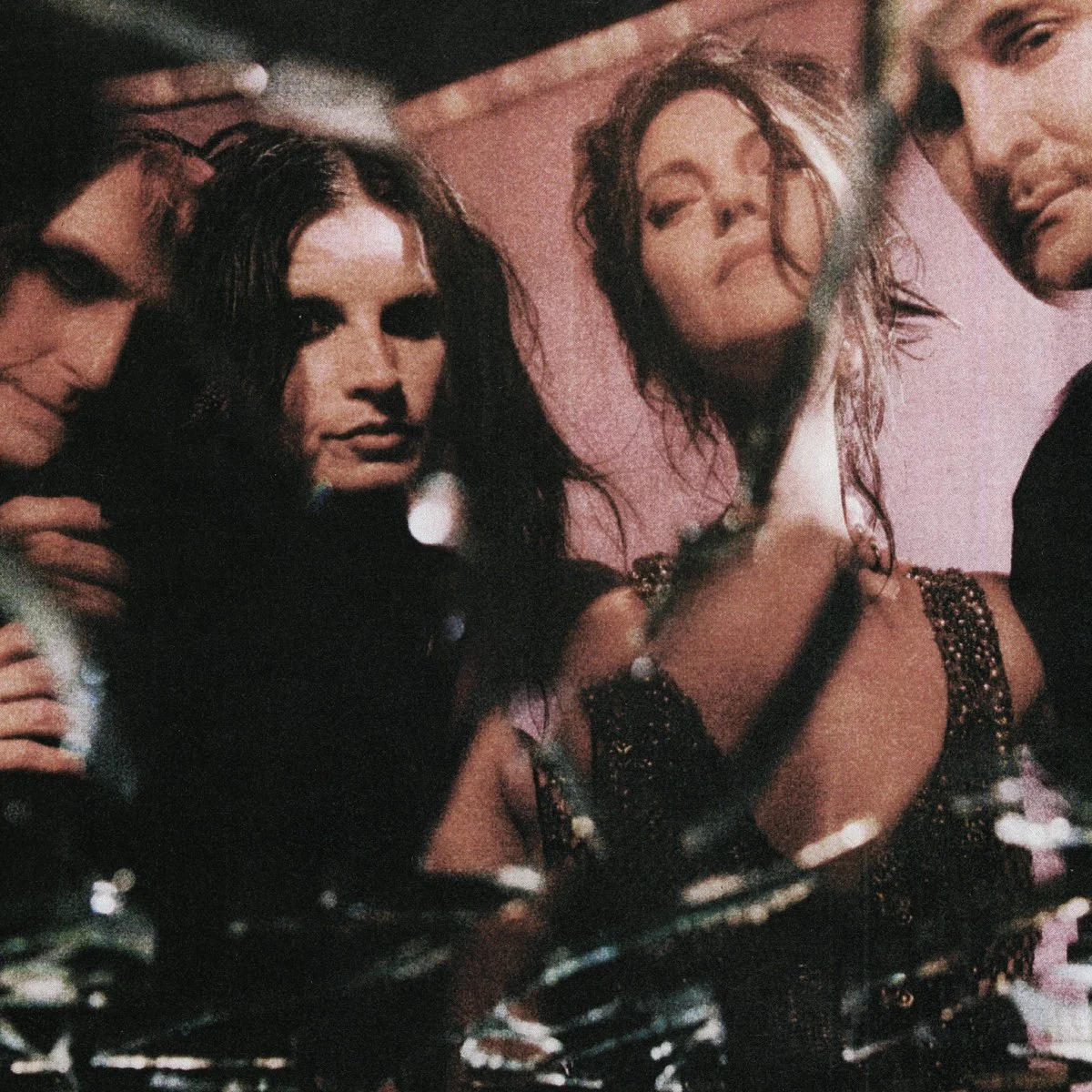
Compared to performing solo for the past 16 years, Sharon Van Etten says forming and playing with her new band has been a “sonic trust fall.” Her first album with the Attachment Theory shows how well that relationship-building exercise has worked out. Together, they channel punk vanguards of the ’70s as they protest the world’s smartphone addiction and wade through philosophical quandaries of this modern age: whether to tune out the violence that surrounds them, or “believe in compassion for enemies.” Van Etten has never sounded more equipped to face the world than she has in the album’s closer, her voice soaring: “And I want you here / even when it hurts / and I want you here / even when it gets worse.”


Home: Atlanta and Accra, Ghana
Favorite Track: “Dream Scenario”
What Donna Summer’s music did for gay men in the ’70s, Amaarae’s Black Star aspires to do for the queer masses of today. On the dance floor, Amaarae chases highs in all forms: girls, drugs, killer beats. But it’s where that dance floor takes us that can transform the face of pop music. The album’s main producer, this malleable artist sounds at home whether sampling “The Thong Song,” pitching her voice to sound alien, or echoing Afrobeats that connect her to the diaspora. Somehow, she sounds comfortable next to hyperpop princess PinkPantheress, soul legend Charlie Wilson, and ’90s supermodel Naomi Campbell. Featured rapper Bree Runway calls this high-octane mix “CzechSlovakAtlanta.” It’s befitting, because the more Amaarae blends genres, the smaller (and sweatier) the world feels.

Home: Paintsville, Kentucky
Favorite Track: “Eatin’ Big Time”
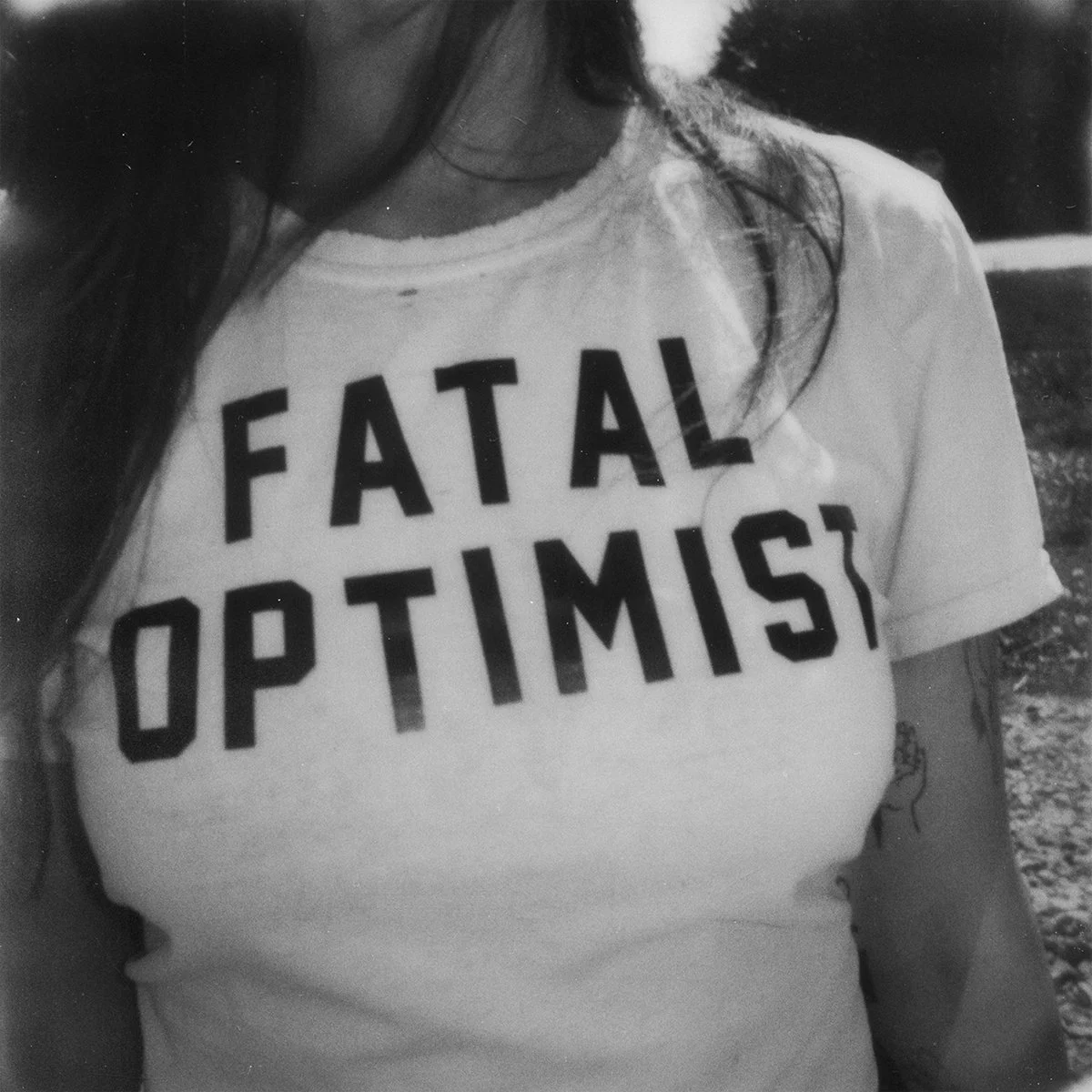
In “Getting to the Bottom,” Tyler Childers thinks back to the benders of his small-town past. He sounds upbeat, considering the hangovers, how his head felt like “a house with a roommate movin’ in.” Meanwhile, the rest of Snipe Hunter shows how eager he’s been to leave those days behind. Turns out, this Kentucky native has long sought out far-flung inspiration — and that goes beyond how he sought production help from two big names outside country music, Rick Rubin and Sylvan Esso’s Nick Sanborn. From the kangaroo trivia he learned while traveling Australia, to how the Bhagavad Gita changed him “metaphysically,” he shows how he’s an all-American seeking adventure and enlightenment wherever he can find it. Based on how wild Snipe Hunter sounds, we hope the globe-trotting doesn’t stop.

Home: Nashville
Favorite Track: “Heavy Metal”
Most people hate being alone with their thoughts. Then there is Madi Diaz. Two years ago, she headed to an island off the Northeast coast, determined to turn journal entries from a previous relationship into devastating revelations about how badly she wanted to see things through. (“My toxic trait is hanging on,” she sings in “Why’d You Have to Bring Me Flowers.”) It’s cathartic to hear Diaz turn over the sort of thinking we’d otherwise avoid, to near-acoustic arrangements where she doesn’t give herself any room to hide. One can only hope that next time we feel just as brave, our thoughts end up being just as quotable.
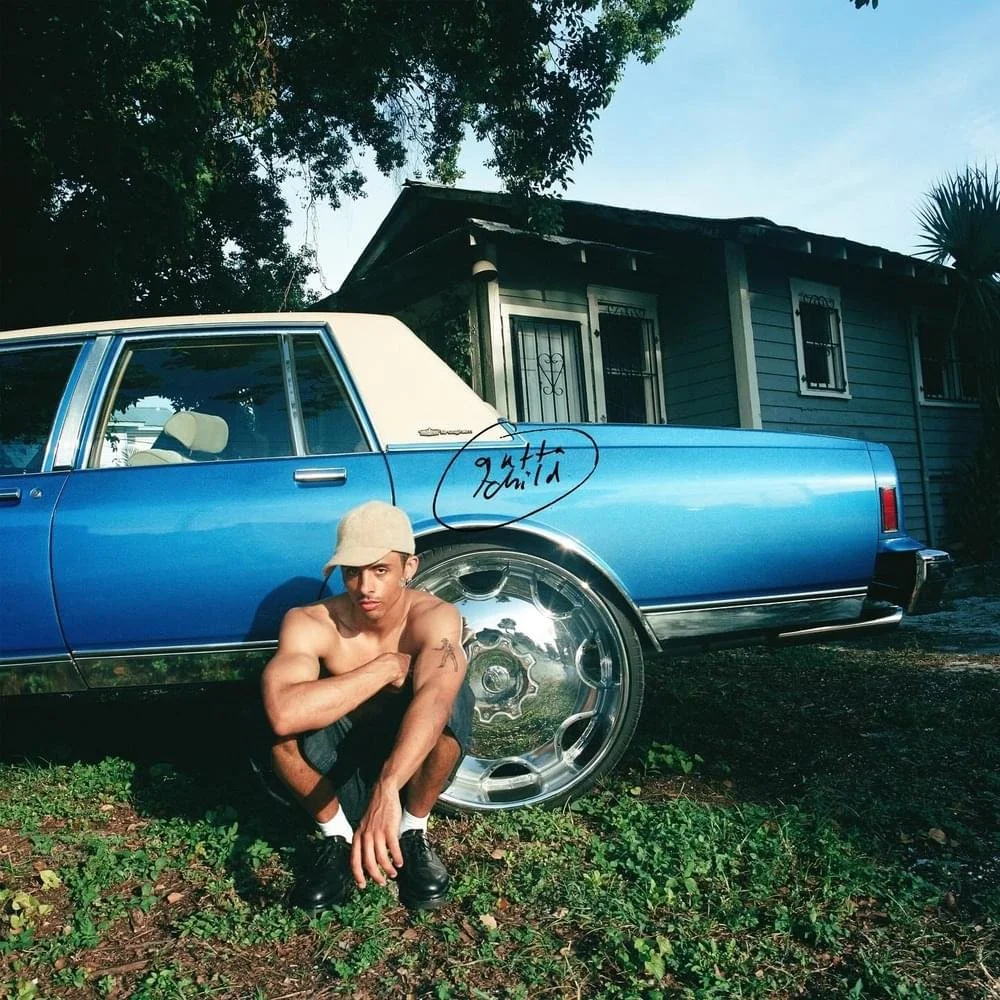

Home: Anderson, South Carolina, and Tampa
Favorite Track: “same sign”
“Blues ... is the foundation of a lot of the music that we have in this world,” Gabriel Jacoby has said. But as a ’90s baby, Jacoby wants to make the blues relevant to listeners his age. That is why he calls home the “dirty South” to a wailing harmonica — reclaiming a Southern rap term to describe a small town existence that smells of dragon’s blood and cocaine. gutta child may be Jacoby’s debut EP, but already, there is no mistaking his version of the blues for what his parents might’ve known. To borrow a term from Nelly, this is country grammar at its most contemporary.
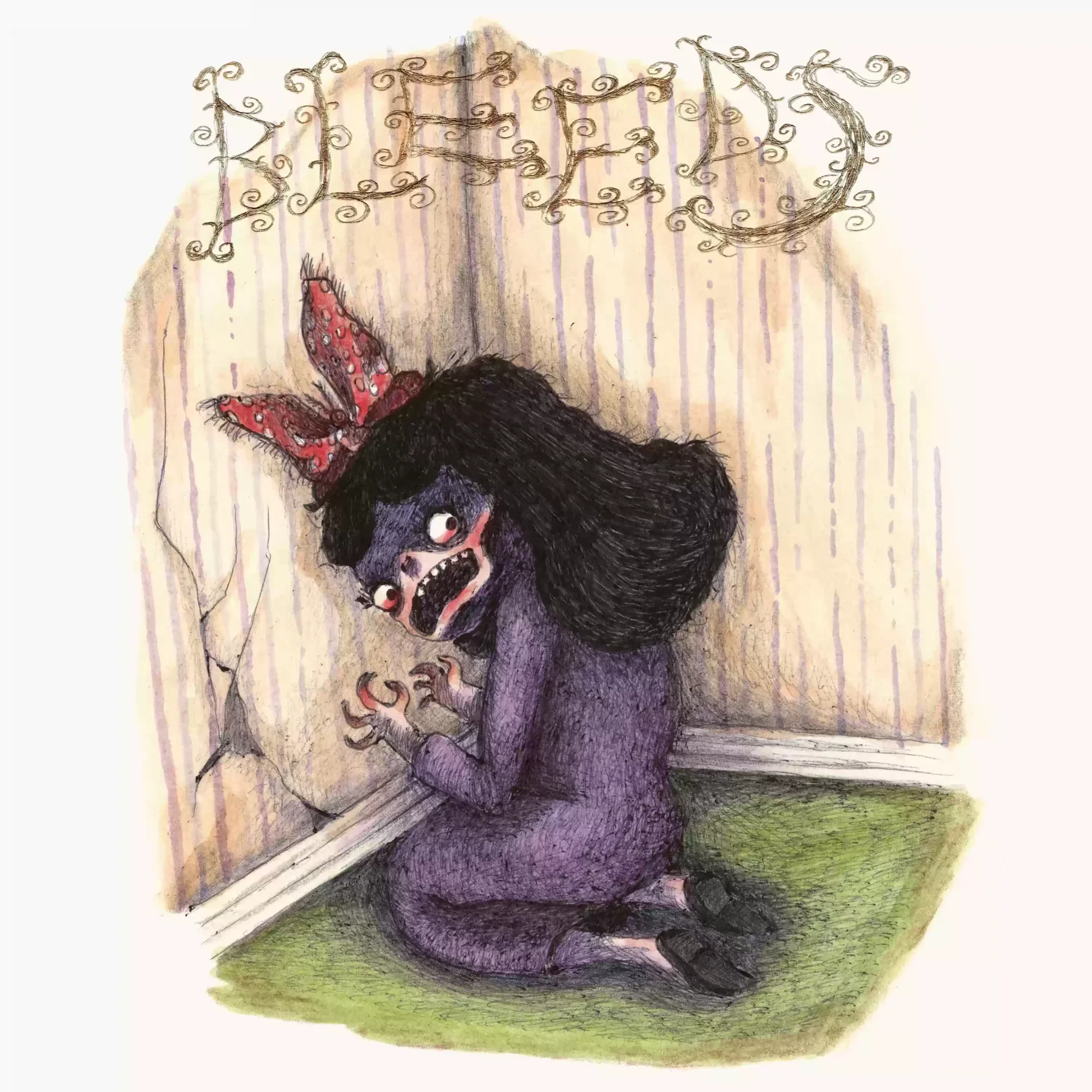

Home: Asheville, North Carolina
Favorite Track: “Phish Pepsi”
“This is what Wednesday songs are supposed to sound like,” frontleader Karly Hartzman has said about Bleeds. What that means, though, entirely depends on which song. From the third to fourth songs, for example, the indie rock band transitions from sludgy guitar solos to pedal steel familiar from country ballads past. There’s also how Hartzman screams in “Wasp,” showing she’s studied hardcore music as she agonizes that “God’s plan unfolds so slow, so slow!” This wide range of emotions and genres brings out the signs of mortality that Hartzman packs into each verse from her view in North Carolina: the Pepsi can bongs, the live-streamed funerals, the “ghosts” of townies. Wednesday shows that small-town Southern life is anything but sleepy.
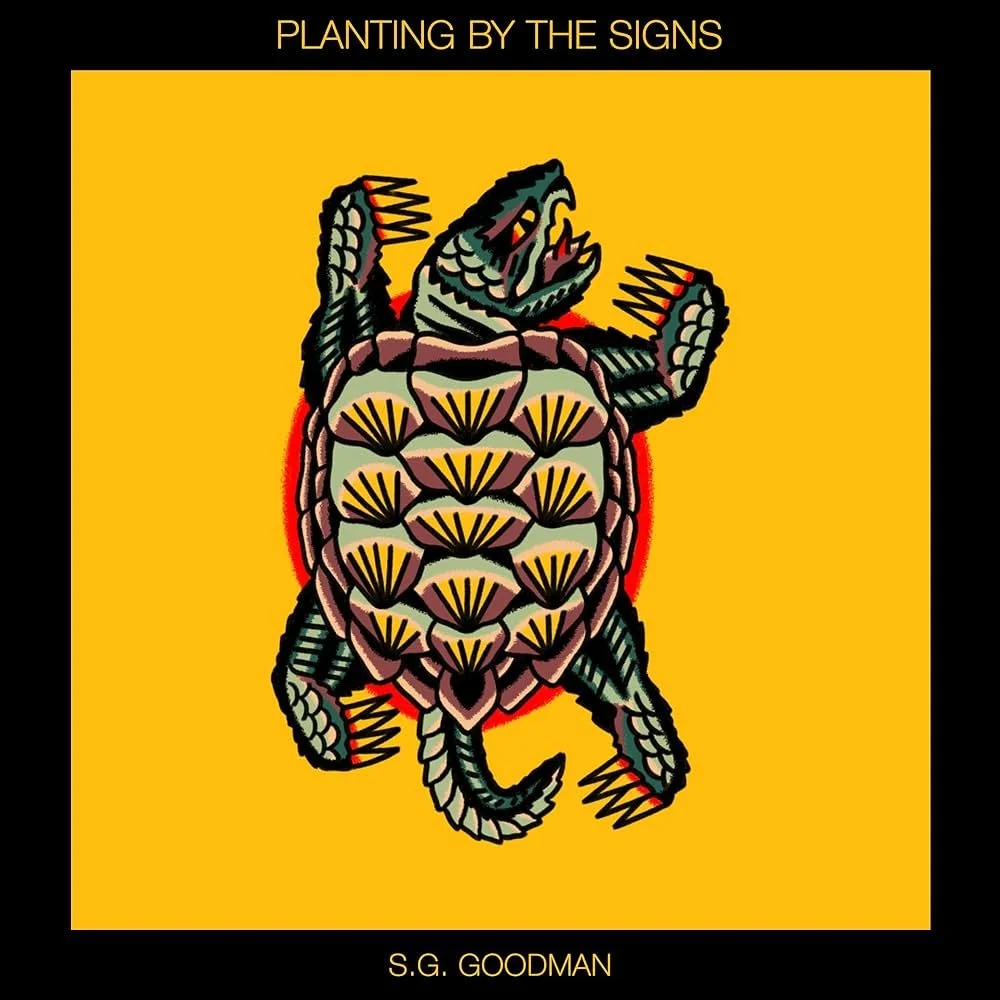

Home: Hickman, Kentucky
Favorite Track: “Snapping Turtle”
Whether S.G. Goodman is singing of walking in sunshine or wishing upon a satellite, the stakes in her fourth album can seem small at first. But Goodman’s snapshots of rural life — these slow-burning rock and folk songs, inspired by the Appalachian rituals and wisdom she grew up with — reveal themselves to be useful and instantly memorable reflections of our modern age. To think positively, or keep “walking in the sunshine,” is what keeps the devil at bay. And no matter what technological advances lie ahead, Goodman reminds us that our instincts to find a star, and maintain our connection with nature, are as human as we get.
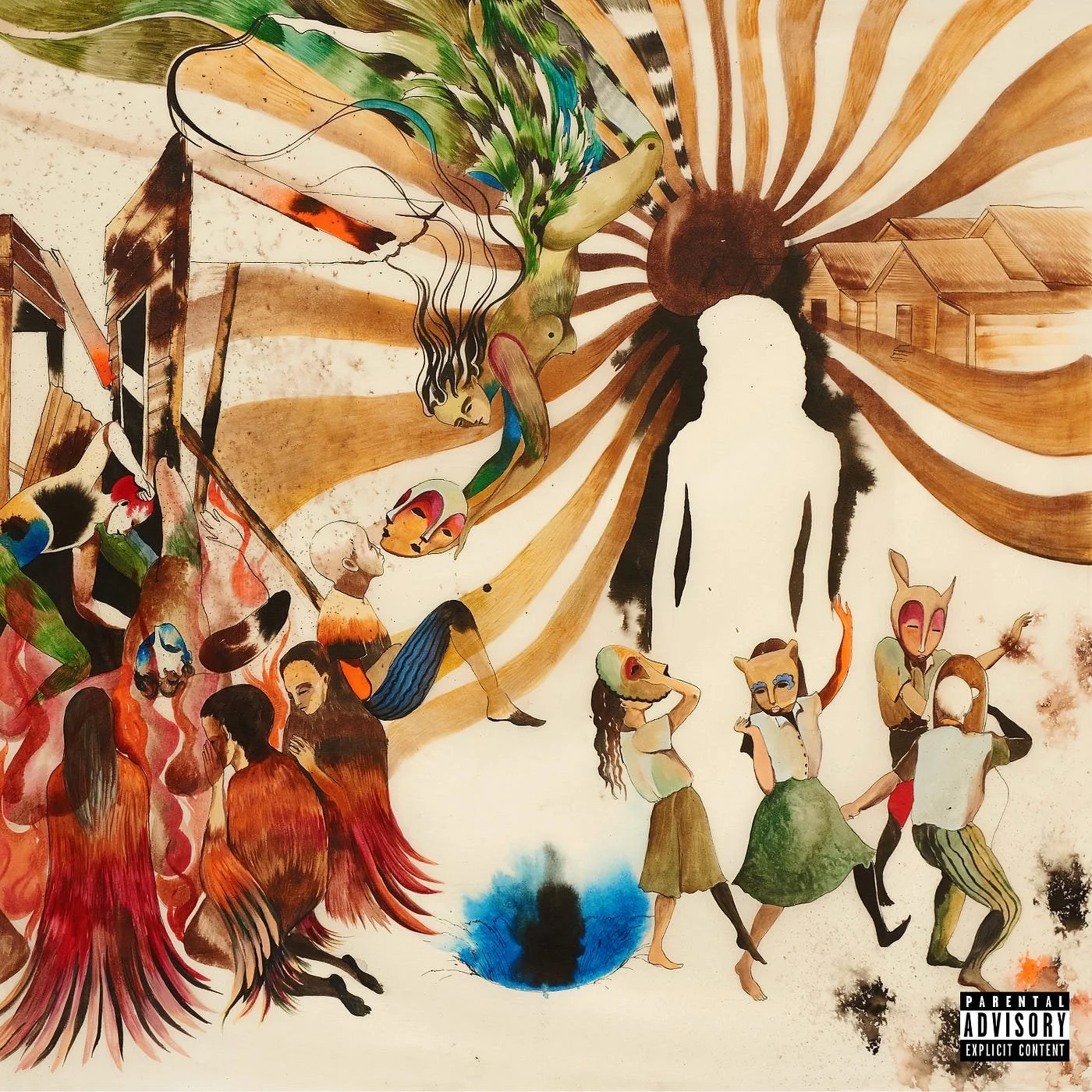

Home: Atlanta
Favorite Track: “Sk8”
JID gets his just due for being the rare millennial who can rap as fast as Eminem, though it’s how he uses those technical abilities that justifies his recent Grammy nomination. As fast as a stenographer, JID packs his fourth studio album with details that (accurately) depict his native Atlanta as America’s cultural epicenter and capital of inequality. He nods to the sacred: the churches, the skating rinks. He breathlessly illustrates the profane: the gun violence, the unfair criminal justice system. Whether speaking to the good, the bad, or the ugly, this album may be the most thorough portrait of JID’s city since anything by the Dungeon Family.
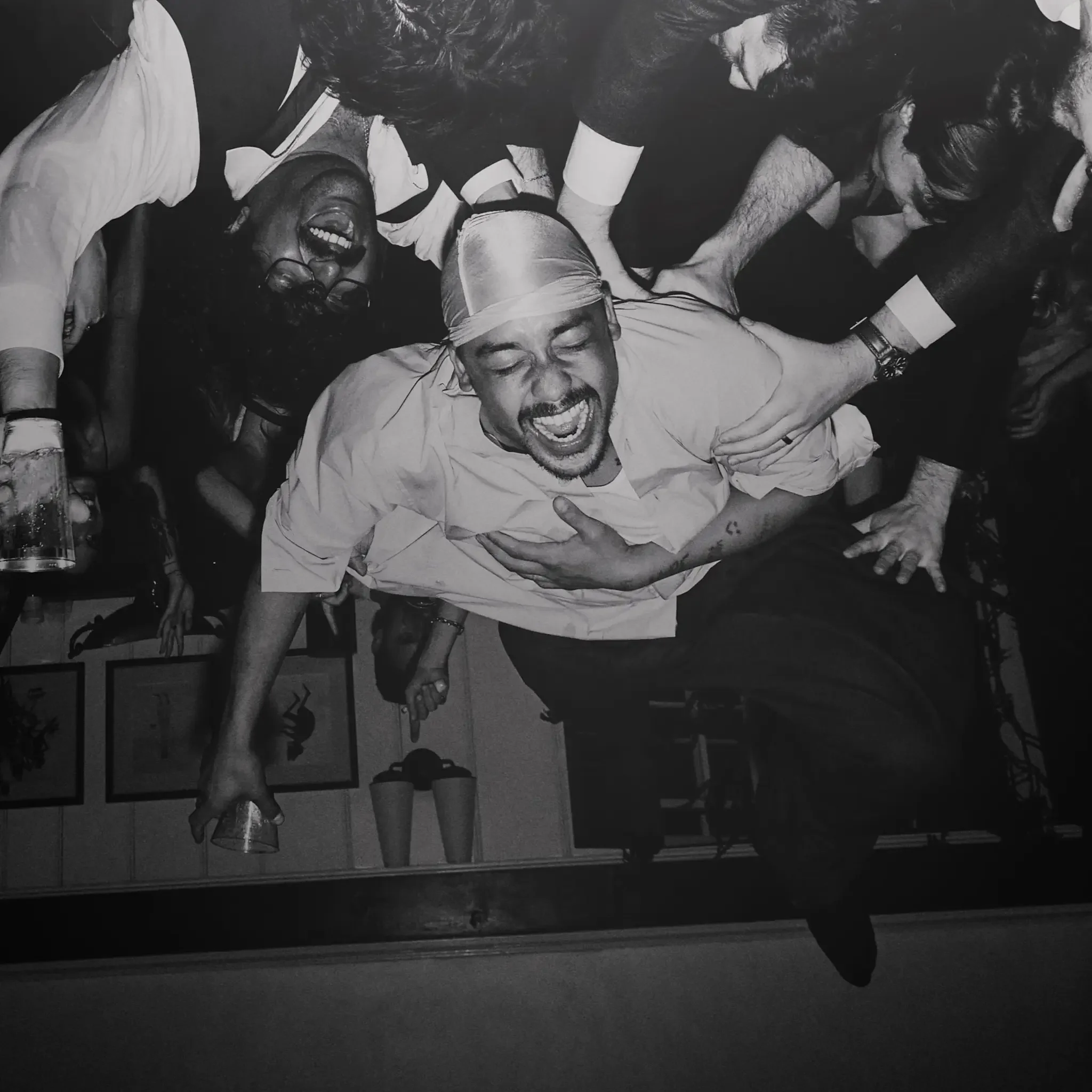

Home: Ellicott City, Maryland
Favorite Track: “Yamaha”
As a producer and songwriter whose sonic fingerprints appear all over Justin Bieber’s SWAG, Dijon obsesses about making unconventional choices with his music. He has sought to turn R&B “inside out”; he has been “anti-autobiography,” rejecting this notion that solo artists must sing about their lives specifically. But when Dijon became a first-time dad, and allowed that experience to inspire his music, “words started coming.” Baby thrives off Dijon’s impulses to be candid and creative. With how he coos, and how the music squalls — like a Prince song whose arrangement keeps skipping — Dijon’s turned this milestone into a kinetic indication of where R&B is headed next.
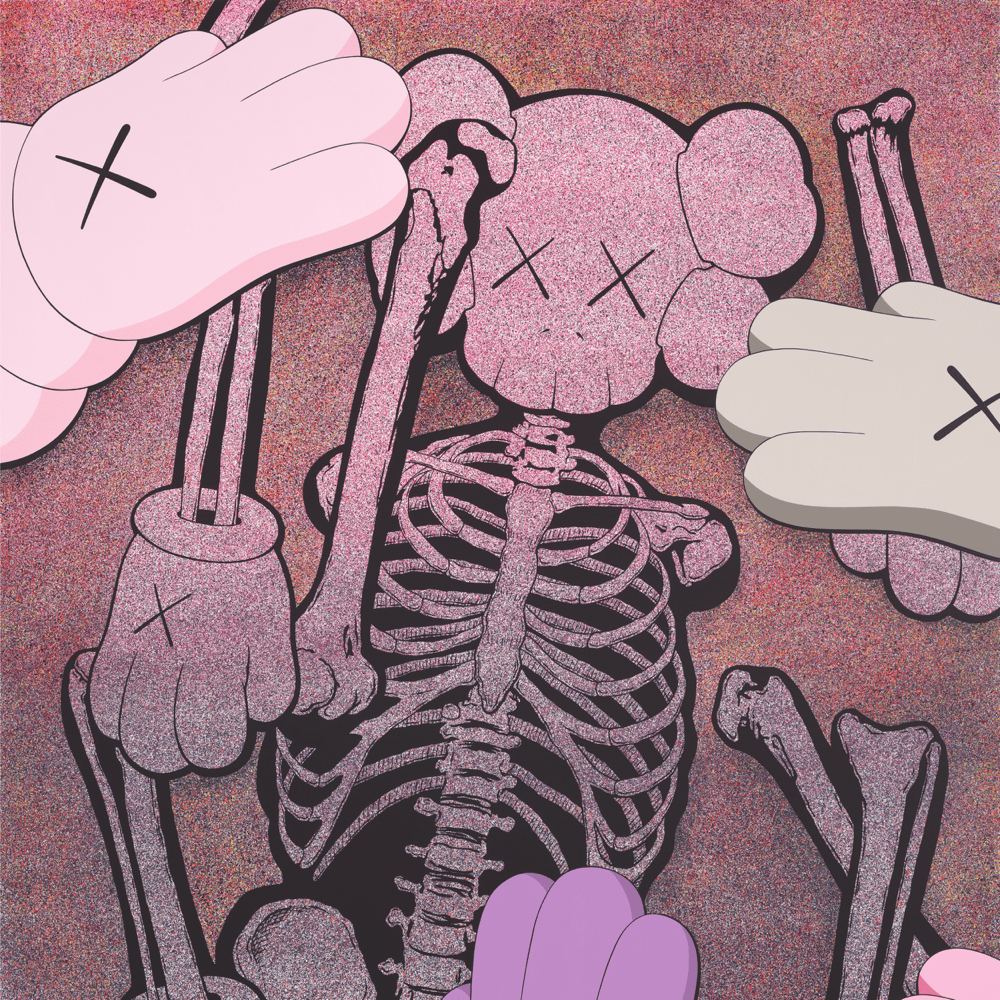

Home: Virginia Beach, Virginia
Favorite Track: “The Birds Don’t Sing”
Let’s first acknowledge how miraculous it feels that this reunion album even exists, between these brothers who took their bond from Virginia Beach to the big leagues. In the 16 years since Clipse’s last album, Pusha T reached rap’s elite status ranks while Malice, distrustful of the music industry, retreated altogether. Today, Pusha T is old enough to have welcomed his first child, and Malice, his first grandchild. As “The Birds Don’t Sing” lets on, they’ve also seen their parents die. Yet Clipse remains in fighting shape. The duo still gives a damn about rap as a competitive sport and a confessional booth, where they continue to find no shortage of euphemisms for the drug trade that animates their metaphors and colors their worldview even today. Some people can complete each other’s sentences. But nothing compares to the most powerful brothers in rap, finishing the songs they’ve made together.
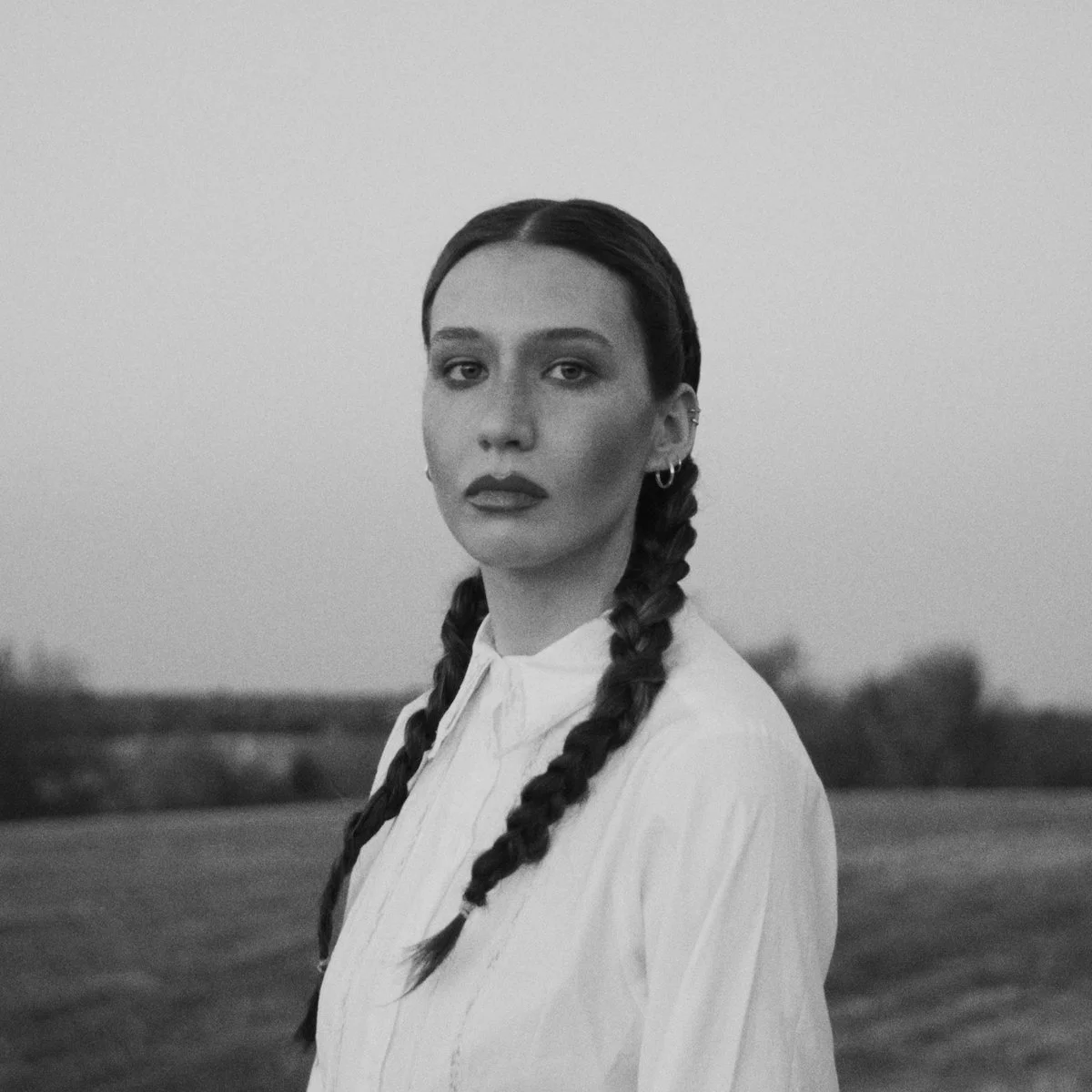

Home: Moore, Oklahoma
Favorite Track: “Wolf in Sheep’s Clothes”
Cruel Joke features just enough autobiographical details, among Easter egg nods to her favorite folk singers, for us to get a sense of Ken Pomeroy’s life and inspiration. Wrango, a dog she adopted last fall, gets his own tribute. But what matters most is how she describes being young and brought into a world she doesn’t understand, spending her life trying to find songs that feel as sad as she was growing up. In “Innocent Eyes,” she sings, “I think it’s funny how my own mind / will hide things so I don’t cry.” She displays a maturity beyond her years, in an album that only feels like the beginning.
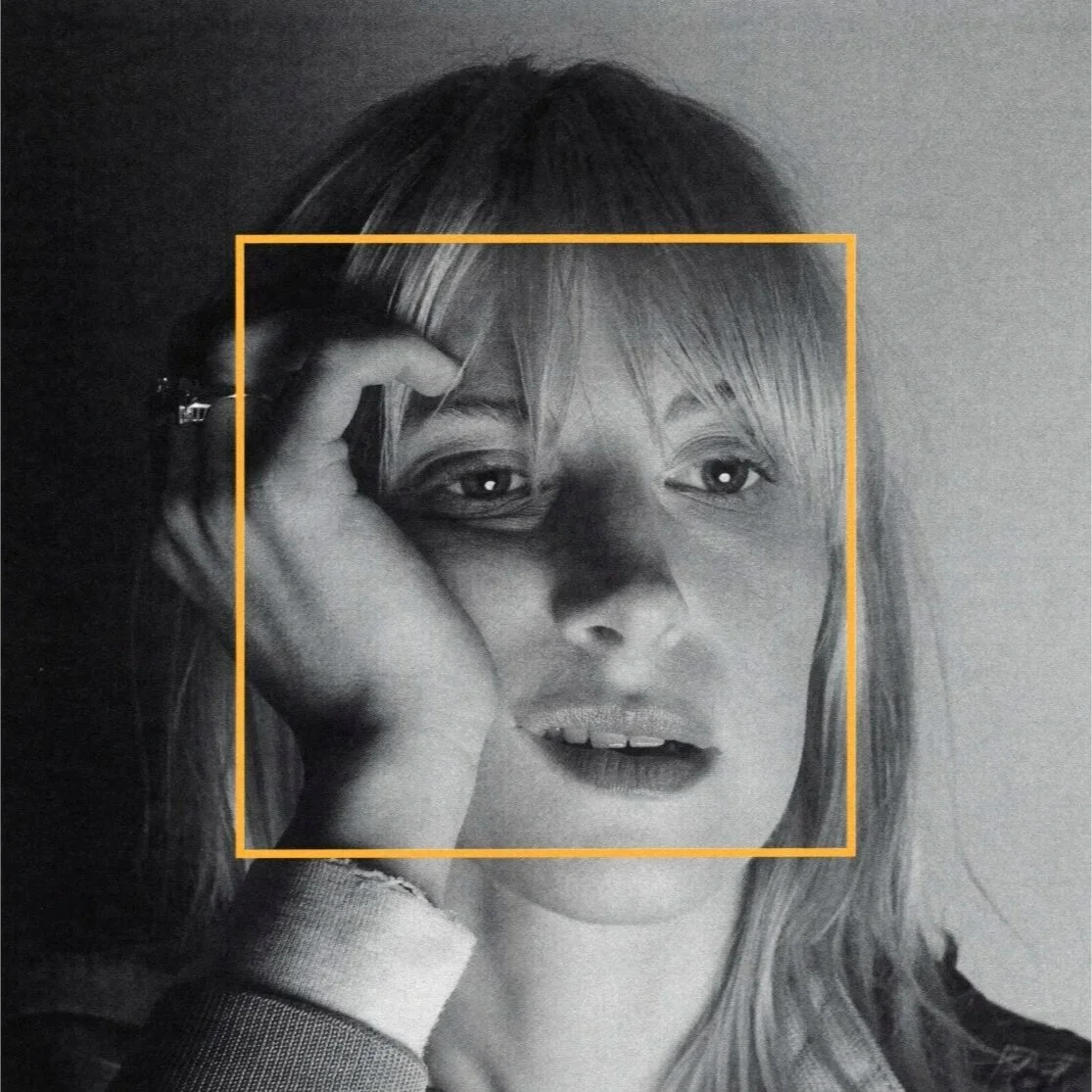

Home: Franklin, Tennessee
Favorite Track: “Ice In My OJ”
After 20 years as the face of Paramore, netting Grammy wins and an opening slot for Taylor Swift, Hayley Williams put the band on pause to release this slow burn of a solo album, because she had too much to say and needed the space to say it. Compared to Paramore’s anthemic pop punk, much of Ego Death feels like all tension, no release. But we’re in awe of how Williams sits in her discomfort, and sings of being “the biggest star / at this racist country singer’s bar,” a misfit in the age of Morgan Wallen. The point of Ego Death is moments like “Glum,” where Williams, approaching 37 years old, admits, “I don’t know if I’ll ever know / what in the living fuck I’m doing here.” It’s songs like “True Believer,” an unwavering testimony to how her Tennessee hometown has turned into a grotesque “Southern Gotham,” welcoming tourists and shutting out anyone who tries to establish roots. The more Williams counts the places where she feels isolated — in organized religion, a dissolving marriage, or sometimes even in her own band — the more we can see ourselves in her reflections and feel emboldened by her break from business as usual.

Bon Iver, SABLE, fABLE
°
Wet Leg, moisturizer
°
Brandi Carlile, Returning To Myself
°
Blood Orange, Essex Honey
°
Geese, Getting Killed
Christina Lee is a producer, storyteller, and award-winning journalist. She last worked on Atlanta Is..., an eight-part audio series about the rise of Atlanta’s cultural influence, with journalists Maurice Garland and Jewel Wicker. Previously, she was a co-host, writer, and producer on King Slime: The Prosecution of Young Thug and YSL, a best documentary podcast nominee at the 2024 Ambies. Her reporting has appeared on NPR, and in The Guardian, GQ, The Washington Post, and more.