
In 2012, in a small suburb 10 minutes outside of Memphis, a 14-year-old girl gives herself four more years in the United States. At 18, she will leave America, move to Paris, and live and work as a pastry chef. This isn’t a young girl’s dream. It’s her plan.
(Spoiler alert: The plan worked.)
In Conversation with Kyle Tibbs Jones
Photos by Tempé Storm Cole
June 3, 2026
—
Originally Published in Issue No. 13 of The Bitter Southerner Magazine
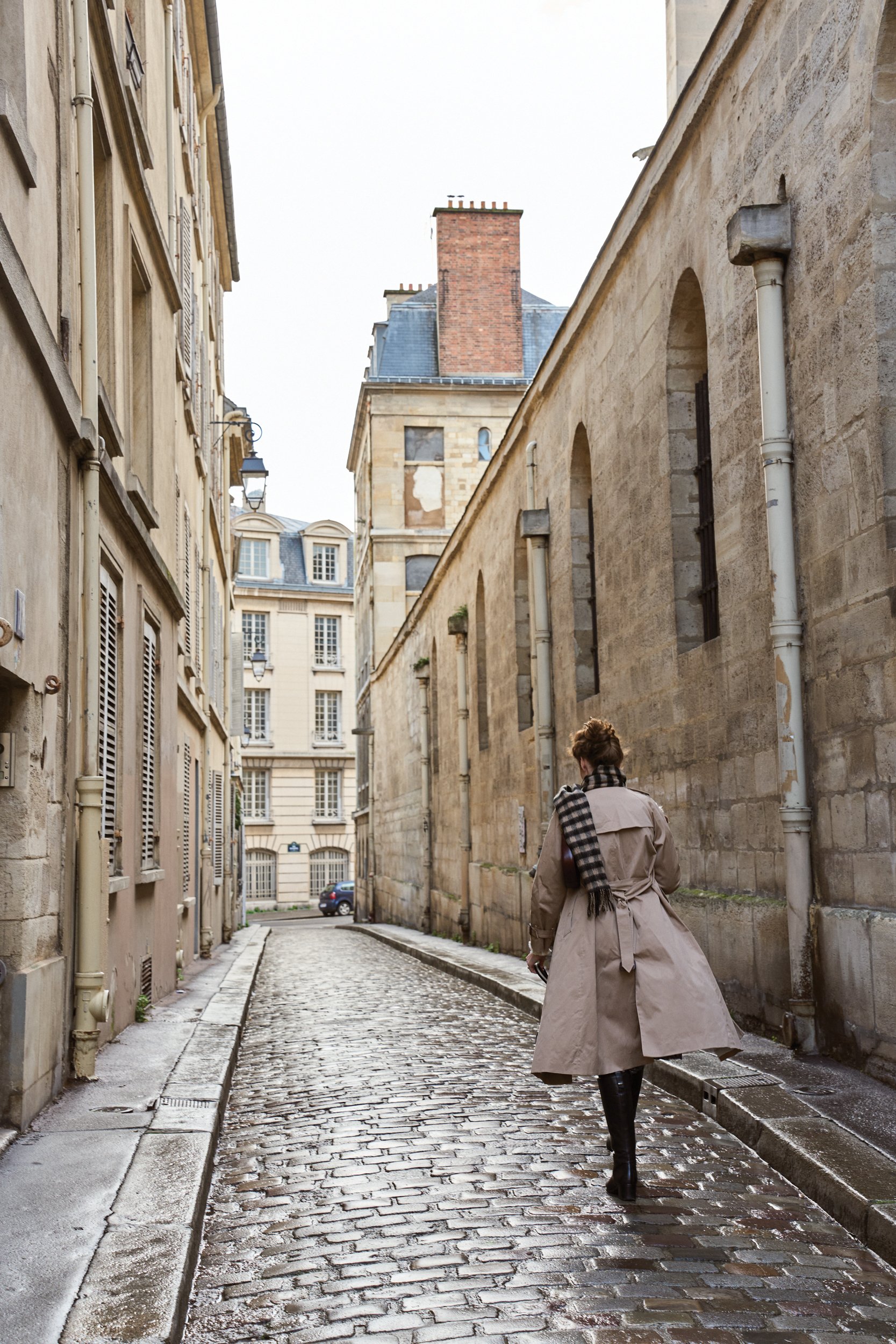
KTJ: Ainsley, thank you for reading my DM on Instagram, you have over one million followers! I’m so happy to chat with you today. I stumbled upon your account a while back, and I landed on a video where you’re walking away from the camera down a gorgeous street in Paris, in a pretty trenchcoat, carrying an umbrella, your long curly hair up in a ponytail … and, honestly, I thought you were my younger sister. You two look a lot alike.
AD: Really??
KTJ: Yes! I was like, Wait a minute, who is this in Paris? Obviously, you are not my little sister, but I became intrigued and began digging through your account and immediately fell in love with your quiet way, your tiny apartment; and I especially loved watching you make all the delicious things. But for a long time, I had no idea you were from the South.
So let’s backtrack a bit. Tell me about your life before France. You’re from Tennessee. (By the way, much of this issue of The Bitter Southerner is loosely tied to the Volunteer State!) Tell me how you got from the Memphis suburb of Cordova to the “City of Light.”
AD: Since I was very young, I’ve been obsessed with baking. As far back as I can remember, I’ve always thought: When I’m 18, I’m just gonna leave and go to Paris and go to pastry school. That’s what I’m gonna do. Then 18 rolled around, and I was like, Well, I’m not yet prepared for all that. So I went to college at the University of Memphis, and studied food history and political science. This led me to food justice and learning more about how food is a bigger topic than just, you know, the making of it.
KTJ: I love that. I’m curious, as a college student, what changed in you as you learned more about food justice, especially in Memphis?
AD: Well, I got involved with Memphis Tilth, an organization working in food justice. For instance and no surprise, food deserts are a big issue in Memphis, which is very spread out. Public transportation is awful, and it’s a poor city. So in many places, there’s no access to anything other than the McDonald’s down the road. In our nonprofit, we tried to create more farmers markets that were affordable, and help bring them to the people most in need. It’s a hard city if you do not have the means. Eventually my volunteer work at Tilth turned into a full-time job as operations manager. I stayed for about a year. Then, eventually, I was like: All right, the time is now. I’m moving to France.
KTJ: So you had a yard sale, sold all your worldly possessions, and bought a plane ticket?
AD: Ha! Yes, exactly. Plus, more. Because Le Cordon Bleu is expensive, I had been working and saving since I was 15. But it’s not only the school. You also need at least six months’ worth of accommodation and ... and whatever else to survive. It’s normally a six-month program, but mine was nine months long because I was in the pastry program. Then, because of Covid, it ended up being a year-long thing. But, yes, to move I had to apply to CB, and also apply for my student visa. I believe I was accepted to the school in April or May, and I was in Paris by January 1.
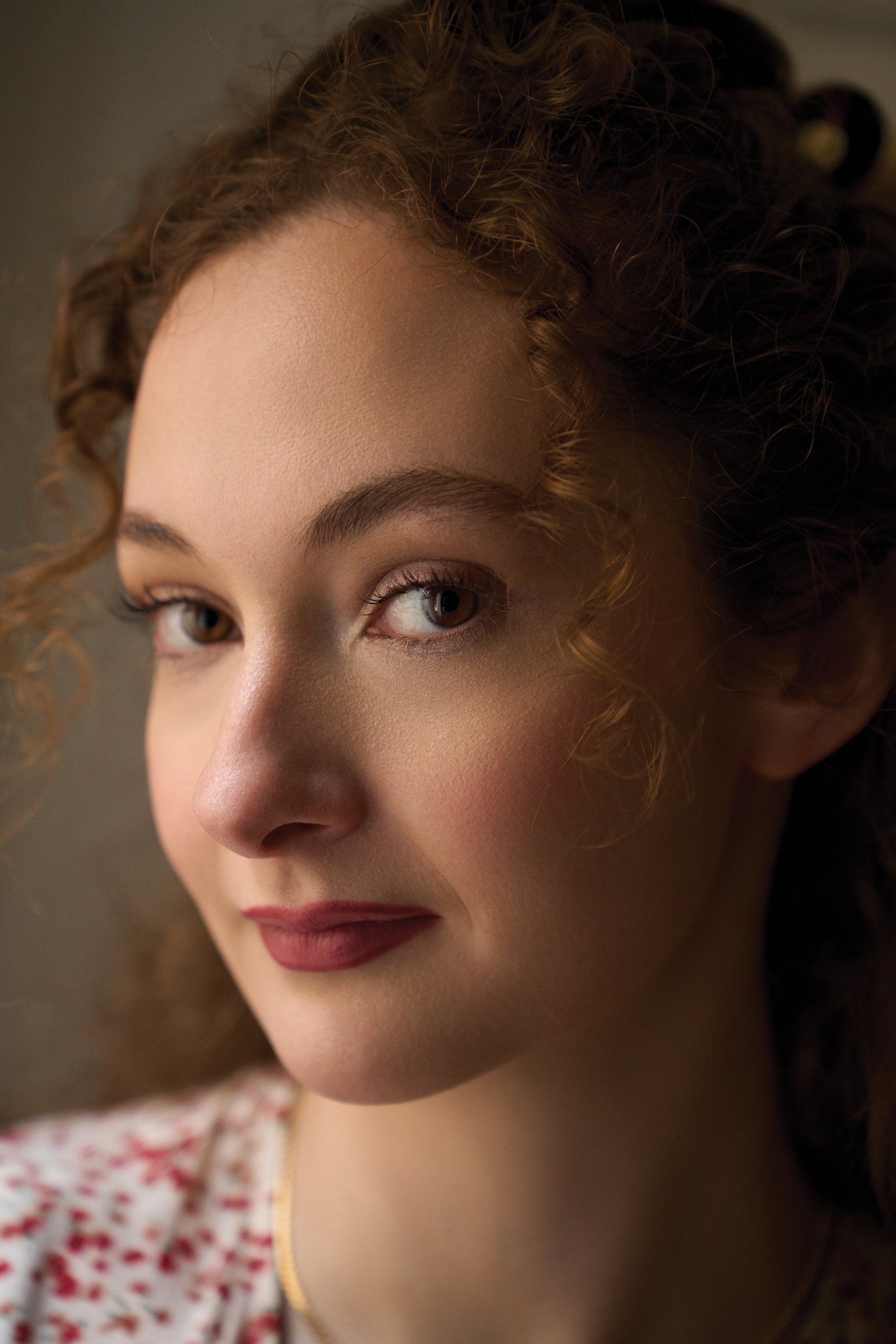
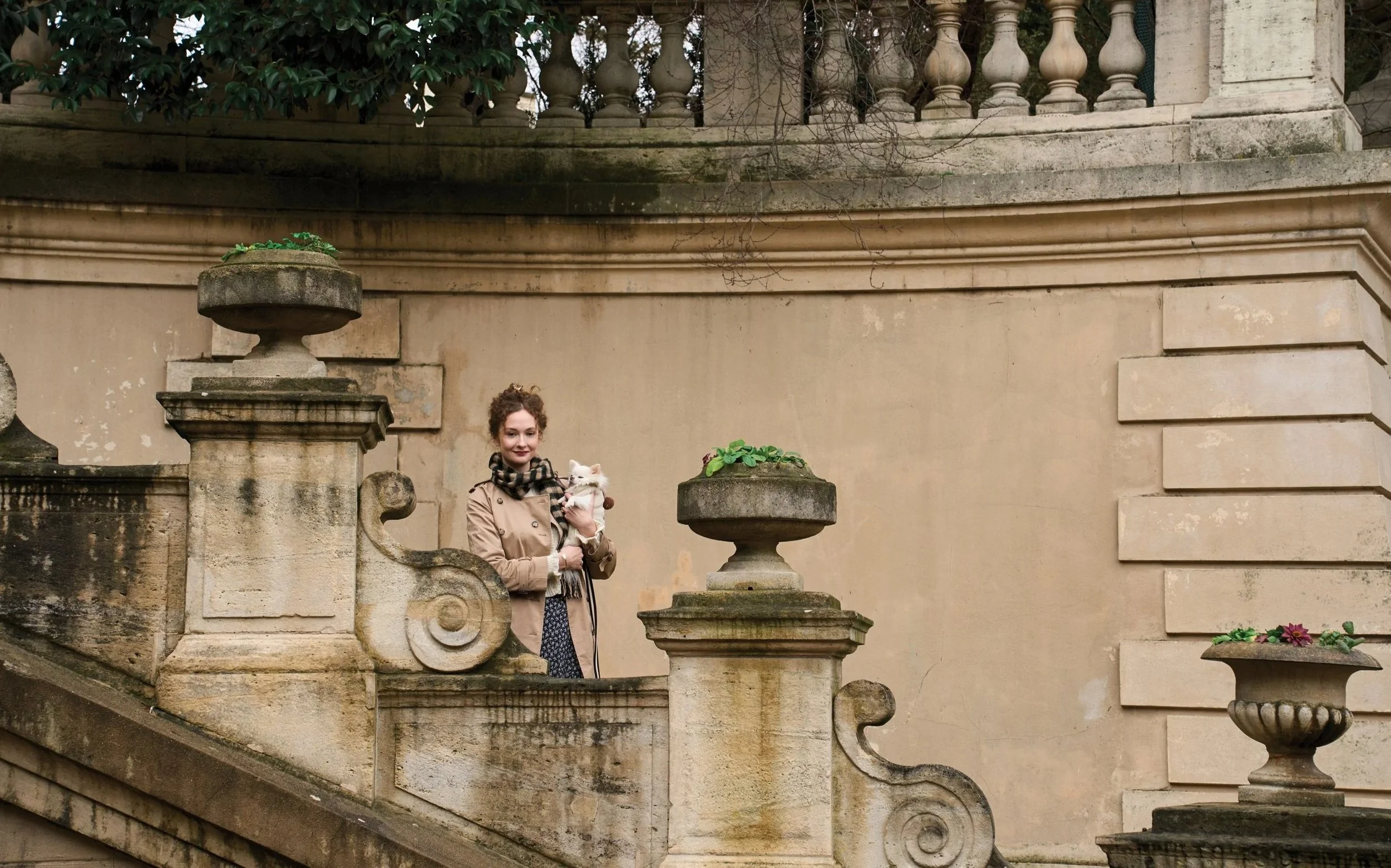
Ainsley never felt comfortable in the U.S. She knew as a young teenager that she wanted a more romanticized lifestyle and was determined to move to France.
KTJ: That’s fast and you were, what, 22? Were your parents nervous?
AD: I have two older brothers. I’m the baby, and I’m the girl. So they were kind of ... What are you doing?! I mean, they were/are really happy for me, because I’ve been telling them since I was, like, 14, I’m moving away, and, you know, this is what I’m gonna do. They knew it was coming.
KTJ: Ainsley, if my parents had said, we’re going to send you to summer camp in Japan, I would have been like, OK, I can be packed in 30 minutes. So I get it. OK, you’re 22, you’ve moved to Paris, and you find a place to live, and you are enrolled at Le Cordon Bleu. Were you also working to support yourself while you were there?
AD: You have to pay for Cordon Bleu up front, and I had saved enough to do that and pay for six months of rent and food. Thankfully, on a student visa, you can work part time. So, the first week I came here, I went to every English-speaking bakery, because there are quite a lot here. I applied to every single one, and started working and it was fine and then Covid ...
KTJ: Ugh. Did you go to class with a mask on or how did that work?
AD: No, things were really strict in Paris. We were in complete lockdown. So, no school, no work. A lot of people left school and went home. My family wanted me to; but I knew if I did, I probably wouldn’t come back because it’s a journey to get here and stay here. So I was like, No, I’ll stay. Thankfully, I met my boyfriend, now husband.
KTJ: I’m so proud of you for staying. And you found love during the pandemic! How did you meet your husband?
AD: Um, I tell people we met at a café. But we actually met on a dating app. Yeah, yeah, yeah. The usual.
KTJ: That’s so funny. You know, you actually did meet in a café. I used to say that when I was on a dating app. I would just say we met where we met on the first date, because it’s not a lie! Ha ha.
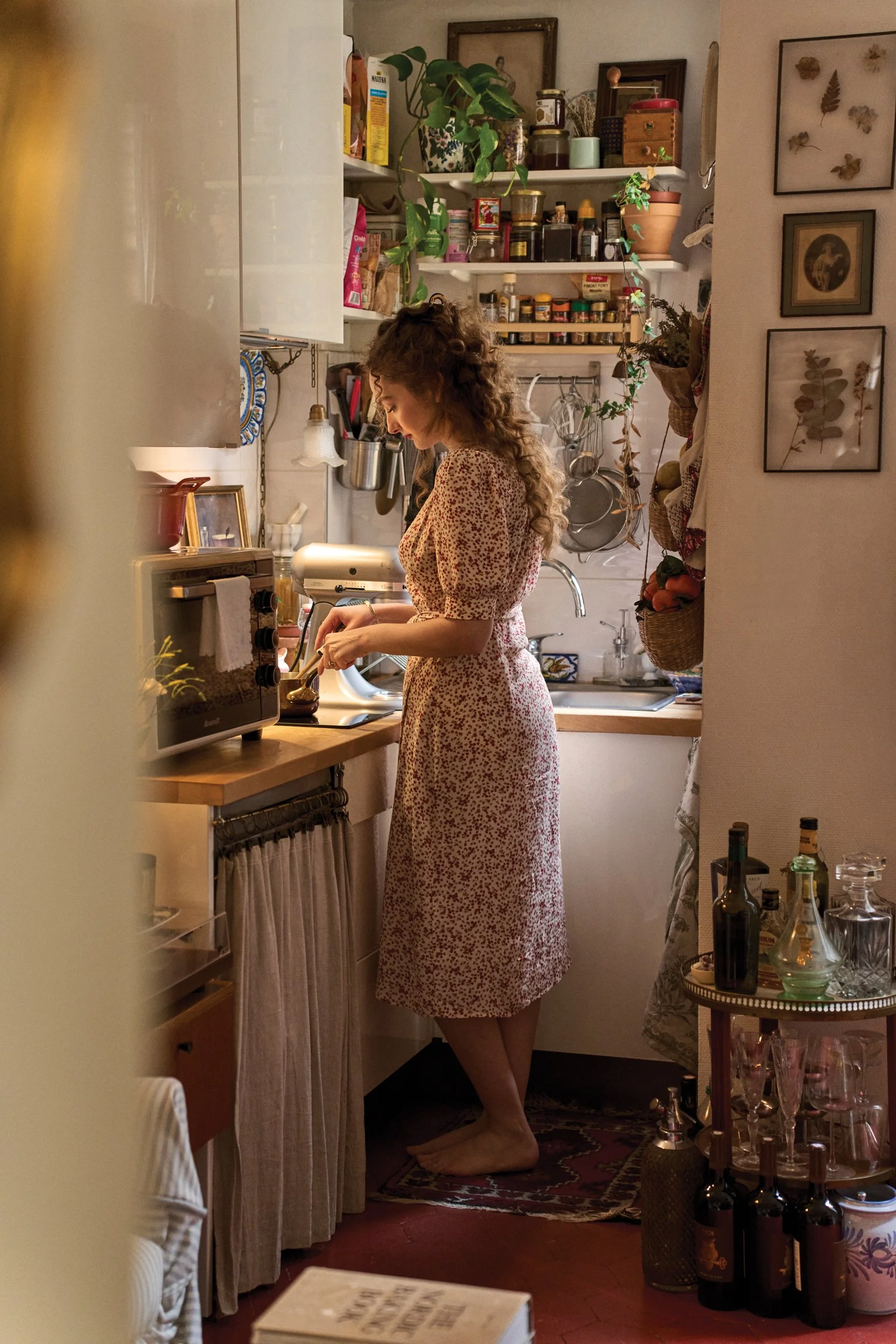
AD: Yes, we met on February 7, and then basically lockdown happened, and I was like, I’m, I’m gonna move in, because you’re now my bubble. The whole apartment was one room. But he did have a little oven, even smaller than mine. So we would bake and cook, ’cause he’s a better cook than me, actually, ’cause, you know, he’s French, so by nature ...
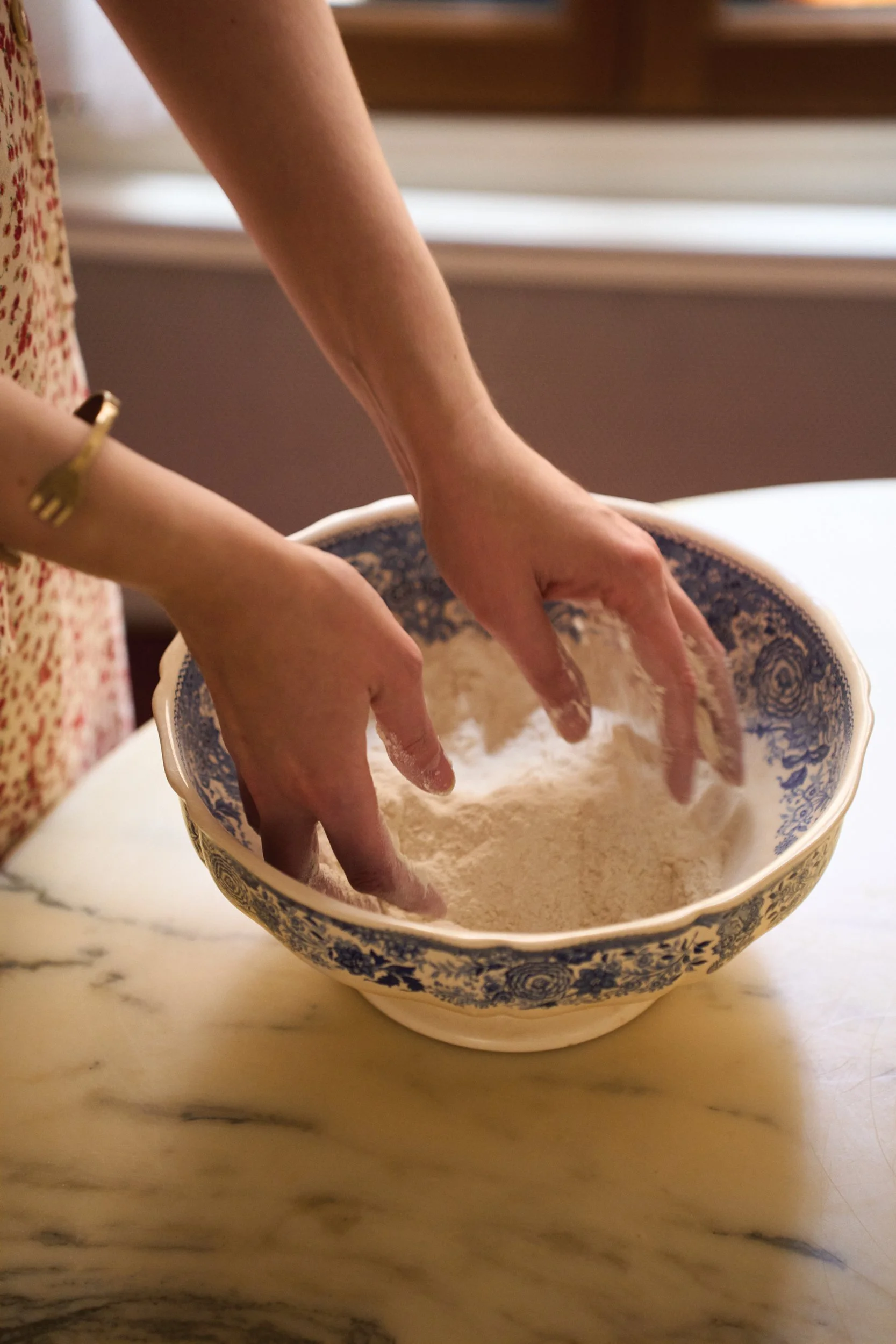
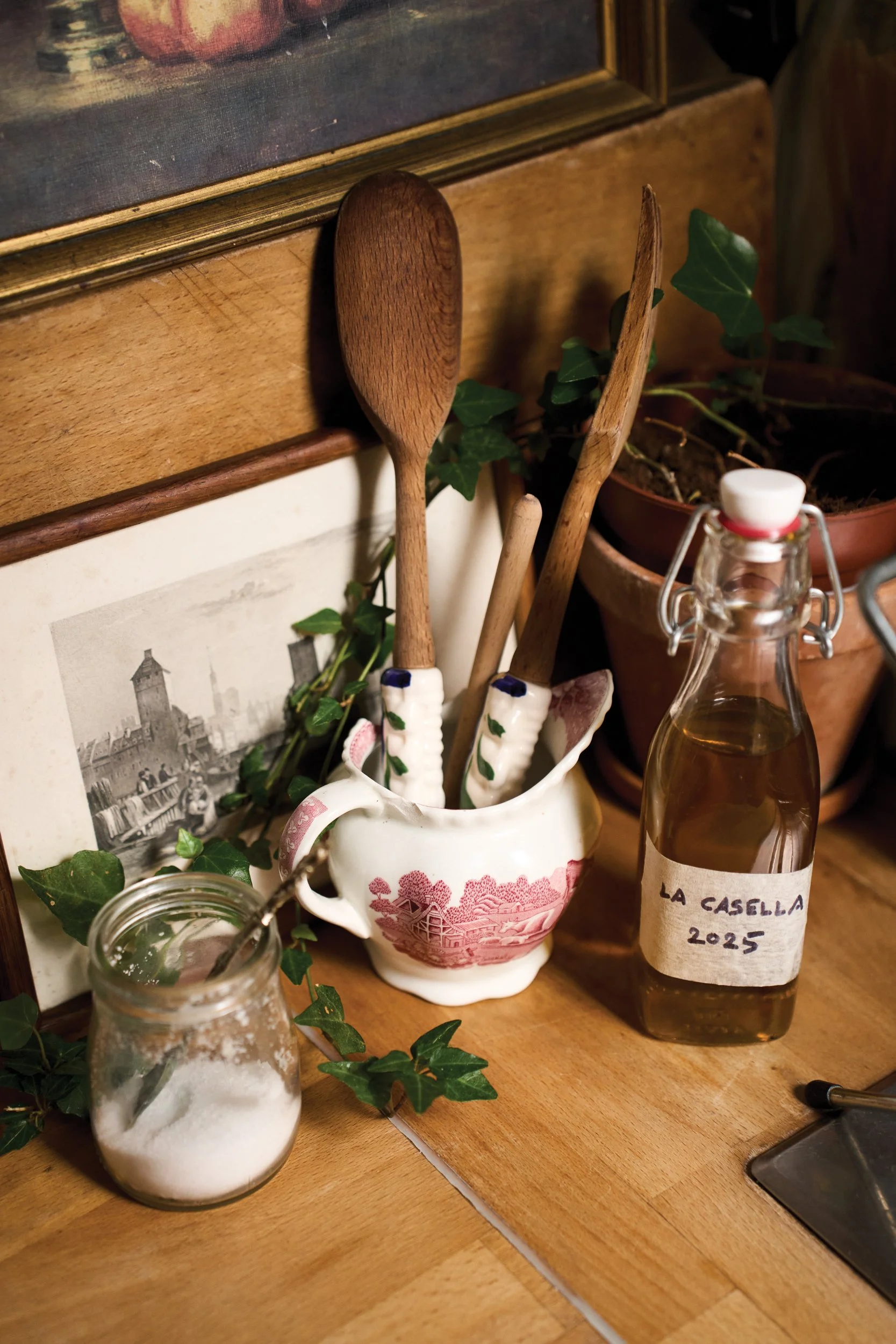
More than a million people follow Ainsley's Instagram account that includes baking and cooking how-tos as well as documentation of her life in France.
KTJ: I could talk about this part of the story for days. But let’s get to the pastries. You graduate from the nine-month program, which gets a little longer because of Covid. Then your first job?
AD: I was working in a bakery, but my visa issue kind of got messed up. So it was dicey there for a while to find a job, or I’d find a job, and then paperwork would get messed up. It was so complicated. You cannot do certain jobs under certain visas. So I couldn’t leave the country, because I wouldn’t be let back in, and it was Covid, so my family couldn’t come see me. I was in total limbo … not knowing, like, where my life would turn out, you know? And I also couldn’t get better jobs or move up because I didn’t have the paperwork for it. So it was hard. For a year and a half I was struggling, trying to figure out the visa situation, the work situation, and making all that match up.
KTJ: How did you figure it out? What finally happened?
AD: It’s a bit of a mystery. If you ever talk to anyone who’s ever lived here, France is notorious for bureaucracy and paperwork … It’s difficult. We had a friend who had had the same issue. That friend introduced me to a lawyer which led to another lawyer who was able to help, and in the end the French government apologized to me formally in a letter, which is unheard of! So then I worked at a restaurant (not quite a Michelin restaurant but almost) called Mumi located near the Louvre. I was the only pastry person there, so I kind of did everything. And then I had a chef who no one liked, so I became the sous chef because no one else wanted to work with him. Yeah, I’ve seen the whole gamut of the chef situation.
KTJ: Temperamental chefs; the cliché is real? Sounds like you’re diplomatic in the kitchen.
AD: Diplomatic and also just, like, I guess this is my fate. You know, I came here to work and be the pastry chef, so I guess this is how it is. When I worked in the States, I also worked in restaurants and bakeries, but the culture is different there. It’s much more difficult here. There are high stakes in Paris. Everyone wants to be the best. And you have to start at the bottom in France and work your way up. So you’re working with, like, 14, 15 year olds who have been interns basically their whole life. So now they’re 25 and they’re head chefs, and it’s just hard to get your foot in and work your way up. So I have worked in a couple of bakeries since, but I eventually grew tired of working 80 hours a week. My husband was also working long hours as a manager at a café. So we decided that we would quit and do our own thing. And that’s when we created Café de la Revelotion.
KTJ: Your coffee and pastry pop up on a bike? So between your work as a pastry chef, Café de la Revelotion, and your Instagram influencer work, you are making a beautiful life!
AD: Yes, I have an agent now, because people were reaching out, and that alone takes a lot of time. But I work with my husband on Café de la Revelotion. [Editor’s Note: The name is a twist on the French word for bike — velo.] We started that business nine months ago. I mean, we started before, but again, it’s France and paperwork takes about 20 years longer than it should. We’re still trying to get permits to go to different locations, and to have more than one bike. He loves biking that thing. On cobblestone streets, you know, and there’s hills. It’s very heavy, but he’s just having a fun time. It’s all in the box and he takes it out, and hooks it up and he starts making coffee. We have a little table, where I display and sell my pastries.
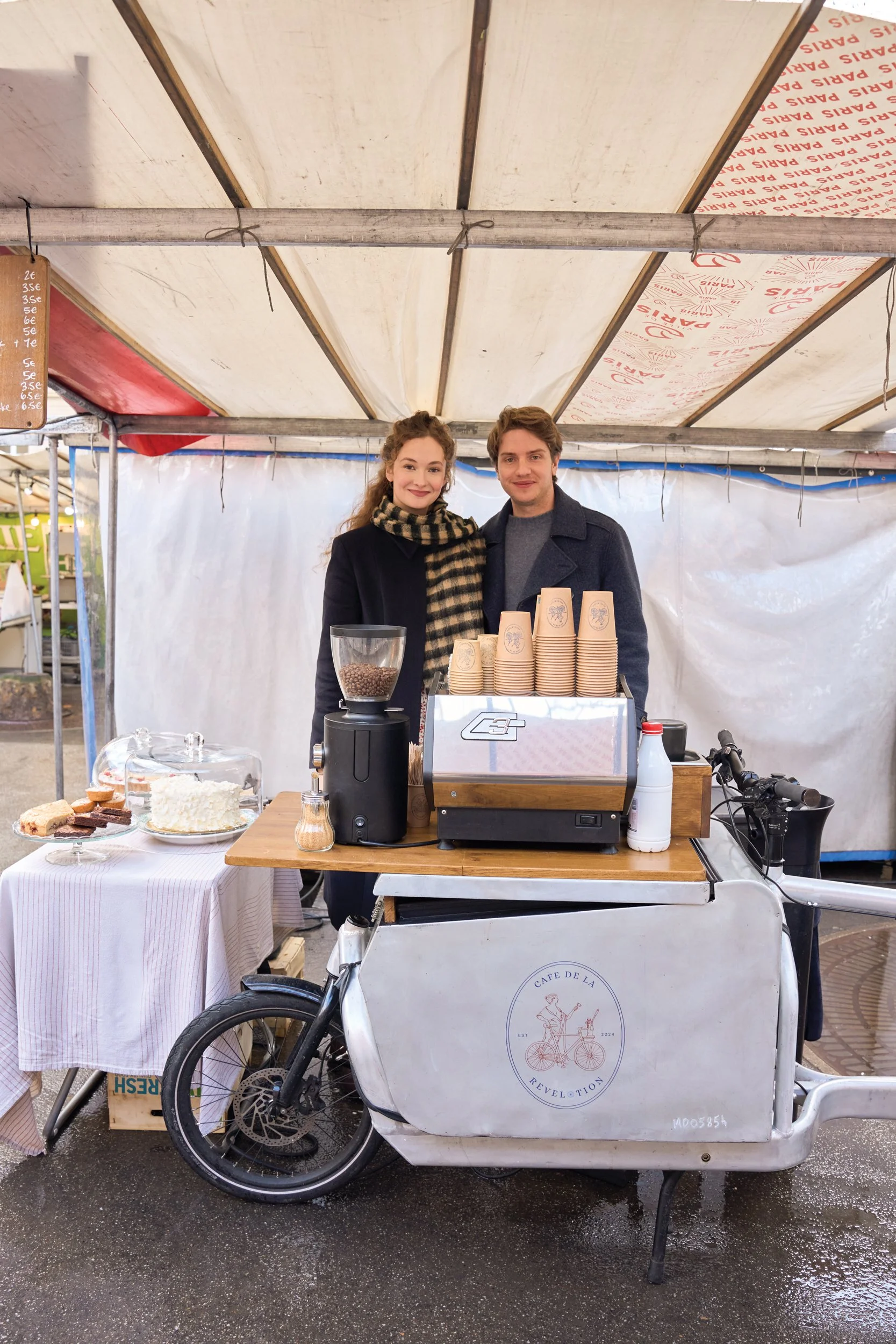
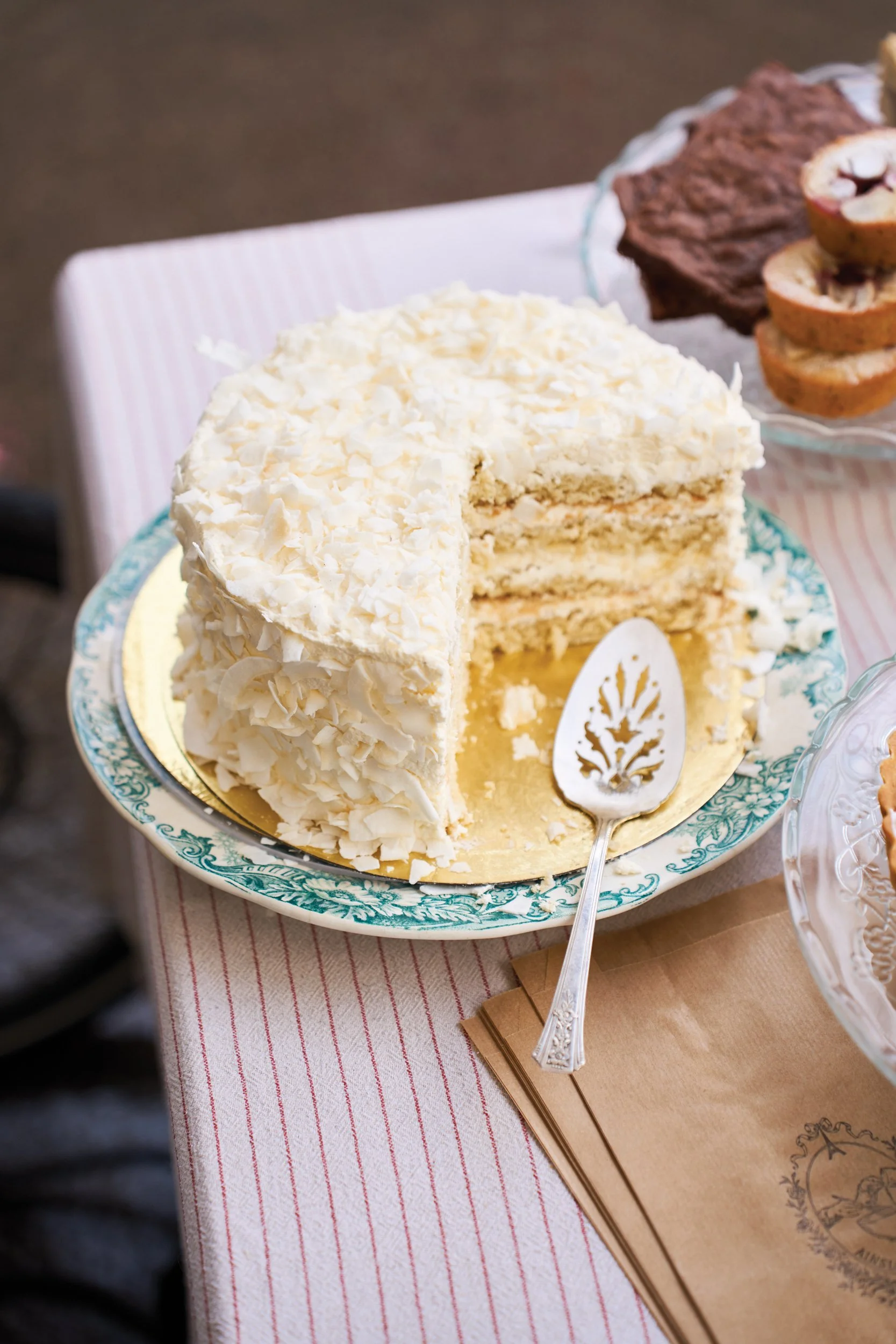
Ainsley and Lev Durose own and operate Café de la Revelotion, a pop-up coffee and pastry shop which Lev transports entirely by bicycle. “Revelotion” is a play on the French word for bike — velo. Ainsley is a pastry chef trained at Le Cordon Bleu, but due to non-compete policies, she cannot offer viennoiserie at her pop-up shop. However, cakes have been a specialty since her college days in Memphis, and layer cakes have become one of her bestselling items in Paris.
KTJ: The pastries! What are you making these days?
AD: I was trained in French pastry, but my background is cakes. I used to do wedding cakes, and all types of stuff like that.
KTJ: Do you mean when you were in America?
AD: Yes! I would do custom orders, even when I worked for the nonprofit. When it comes to my videos and what I sell here, I really try to keep it approachable. As for making it, I think people are kind of scared of pastry in general, especially French pastry, but if you learn a few simple things, it’s really quite simple. Anyone can do it. You don’t have to have that much space. You really don’t have to have that many tools. That’s what I try to show in my videos, and at the market with Café de la Revelotion.
I’m limited in what I can do, because with the bike, it’s outside, and I don’t have a fridge. I would have to have a permit for that. And, I can’t make, viennoiserie, or other things like that, because you can’t be in competition with other people in the area. It’s a whole thing, so I will do some American desserts like layer cakes, but with French flavors and French ingredients. The butter, the flour, the sugar … it is all different here. They all interact in a different way than in America. Like, even when I go back to the U.S., I bring my butter, I bring my flour.
KTJ: Do you really?
AD: Yes, I go through security, and the person going through my things flags me because of my butter, my scale, and my sourdough. And, you know, they’ll call me over, and they’re like: What is this? And I say, I’m a pastry chef from Paris. And they’re always, OK, say no more, and they let me through.
KTJ: What is an example of something that you sell at the bike pop-up?
AD: The layer cakes. I do like to use a lot of pecans. I feel like that’s really popular, and I try to take some things that are nostalgic for me. What I really want to do though, is I really want to make biscuits, but I can’t, because I don’t have a “savory permit.”
KTJ: Wait. What? You have to have a permit to make biscuits?
AD: Yeah. I have to have a “savory” permit to make biscuits. But I’m determined. I need to introduce Paris to biscuits! To biscuits!
KTJ: You know, when I come to Paris, I don’t automatically think about eating Southern food. I’m happy to know that the French might love biscuits. I do hope you get your savory license soon.
AD: I really hope so, too. French jams and the things that you can serve it with and obviously the butter. I also always make the Gâteau Breton, which is from the region of Brittany. So a lot of people come for that. Um, and brownies because people always ask about brownies. They’re really hard to find here. French people love to mess up brownies and cookies. I mean, I am a pastry chef. I don’t really want to be making chocolate chip cookies, but it’s like they have to be made here because people can’t buy them anywhere! So, those are my staples that I make. And then based on seasonality or what I have, then I’ll do different things like tarts or cakes.
Durose offers a mix of Amercan and French baked goods at her mobile café. American recipes have to be adapted to use French ingredients. “They all interact in a different way,” she says.
KTJ: Ainsley, do you miss the United States? It’s such a tumultuous time. There are so many Americans considering a move or worried they might need to leave the United States.
AD: Honestly, I never felt comfortable in the U.S. I never felt like it was my place, I’ve always looked to, you know, a more romanticized version of life. I think that’s more my style. Appreciation for food and a slower life.
KTJ: And you knew that from a young age?
AD: Yeah, in the U.S., life never aligned for me. So I always had a vision of not living there. I do miss some obvious things like family and friends, and [long dramatic pause] barbecue.
KTJ: Barbecue!? I love that! Is there barbecue in Paris?
AD: A new place has opened. I think it’s two French guys and a pitmaster from Texas. The guy knows what he’s doing. Still, at the end of the day, it’s French so their coleslaw isn’t quite right. The potato salad isn’t quite right. But the meat is very, very good. Because they actually do, like, have a pit and smoke it.
But seriously, I’ve been here for six years. The last time I was home was three years ago. Mostly because I’m deathly afraid of flying. A flight to America is like 11 hours of me shaking. I try to avoid it.
KTJ: Your fear of flying makes your moving to France even more brave. It’s incredible that you made this move, and you feel that kind of fear of flying.
AD: Yeah, it’s rough.
KTJ: Ainsley, is there anything else you would like our readers to know?
AD: In all of my videos, I really do try to show a different side of life. People have a vision of what they think living in Paris might be. For me, it’s simple. You live small. You live a little bit slower. You have an appreciation for just walking around. I worry I take it for granted because I’ve lived here for six years, but then I see little kids spilling out of a 500-year-old school. Or we are walking home listening to someone singing opera and seeing the moon, and it really is a crazy beautiful place. If this is where you want to live, it can be done. I didn’t have a glamorous start here, because the first years were really hard. Paris is beautiful and wonderful and lovely, and it’s also hard. Like anywhere you go, life is often hard. Right? It doesn’t matter where you are. ◊
Kyle Tibbs Jones is Co-Founder and Editor of The Bitter Southerner, host of the Batch podcast, and author of Your Heart Is Your Home. She brings a humane and culturally attuned perspective to conversations about storytelling, media, and the future of democracy.
Tempé Storm Cole is a Franco-American photographer based in Paris. She recently published More water than the eye could see, a photo book exploring the territory and history of lake Lanier.
Featured in Issue No. 13