

Words by Katherine Jentleson, Monica Obniski, and Anni Pullagura
September 14, 2026
—
Originally published in Issue No. 14 of The Bitter Southerner Magazine
In this semiquincentennial year, Atlanta’s High Museum of Art is among the many museums across the country reconsidering how it presents American art. Last changed in 2018, the High’s American galleries had offered a more traditional approach to the museum’s historical collections of American painting, sculpture, and decorative arts. Upon reopening this summer, the more than 10,000 square feet of galleries will continue to showcase the stellar works of art long embraced as highlights of the High’s American holdings — including iconic 19th century landscape painter Thomas Cole’s allegorically charged “The Tempest,” featured on the cover of The Bitter Southerner Issue No. 14 — but they will also look very different. By incorporating many works from our folk and self-taught, modern and contemporary, and photography departments, these galleries will tell a new and pathbreaking story of American art that only the High can tell — and on the occasion of the museum’s own anniversary, no less. One hundred years ago this October, Hattie High donated her home to the Atlanta Art Association as an art school and gallery, which eventually became the High Museum of Art. The first work that the association acquired, “Luxembourg Gardens,” a 1908 watercolor by Cameron Burnside, also became the first work in the museum’s American collection — making this reinstallation a particularly timely opportunity to reflect on collecting and presenting 100 years of American art and design.
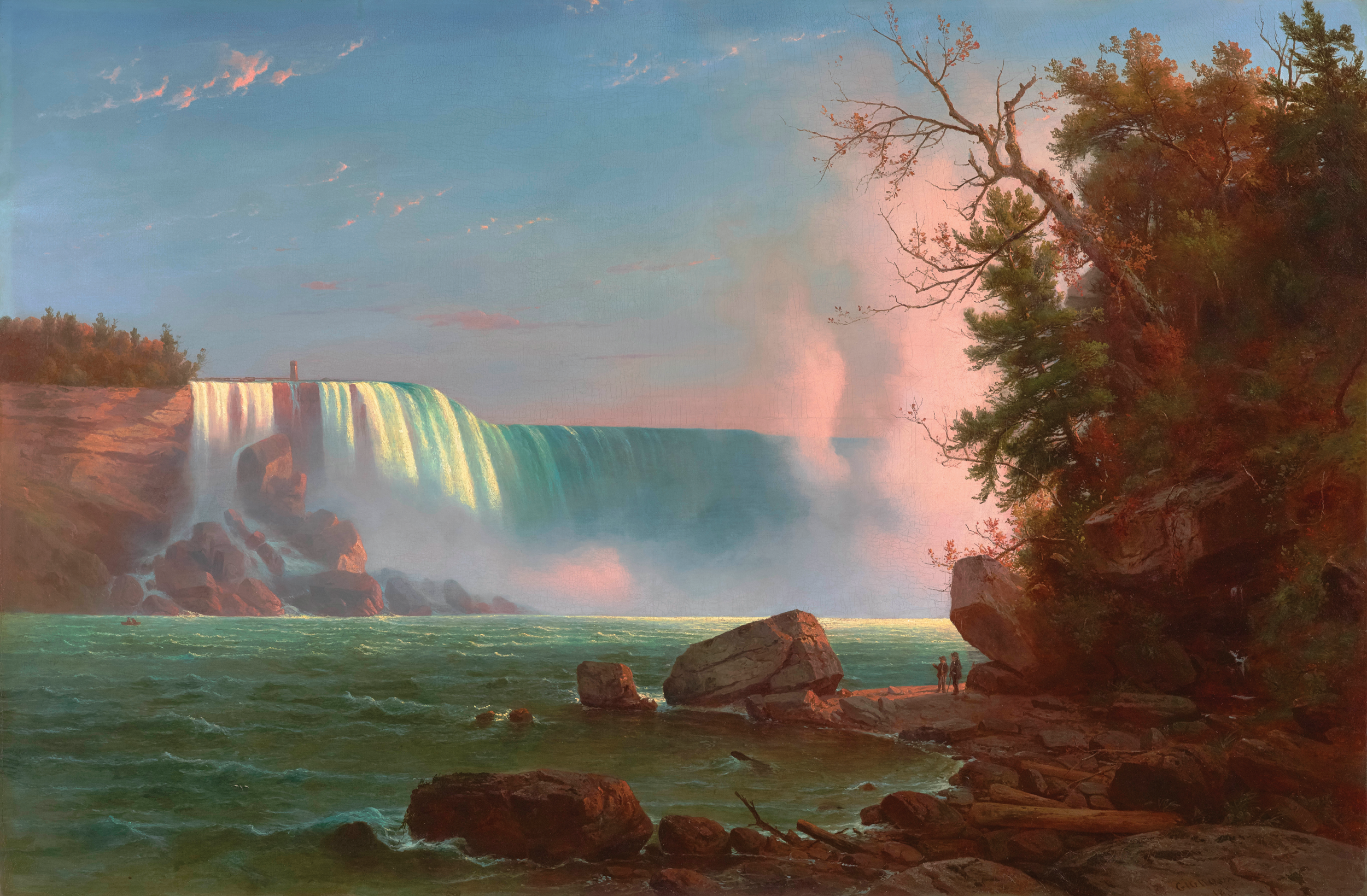
In the opening galleries, we highlight works that take on iconography of the U.S. in popular and cultural imagination. French immigrant Régis Gignoux made his mark on the field with the monumental “Niagara Falls,” a picture that intentionally leaves out how this famous landmark was heavily industrialized even by the time he painted it in 1855. He also omits the Indigenous marketplaces sited there — where the Afro-Indigenous (Mississauga) American sculptor Edmonia Lewis described learning to make tourist art with her relatives. The High’s important example of Lewis’s marble sculptures — which ambitiously takes on the myth of “Columbus” — will join Gignoux’s “Niagara Falls” following the presentation of “Edmonia Lewis: Said in Stone” — a critically acclaimed revival of Lewis’s legacy that arrived at the Georgia Museum of Art in Athens this August. Both works engage with another sculpture that will greet visitors in these opening galleries: Lonnie Holley’s “What’s On the Pedestal Today?” Holley’s work is an assemblage of found picture frames and other materials that critiques the role museums play in cultivating hierarchies of taste and value.
Before visitors reach the rushing rapids of Gignoux’s “Niagara,” they also will encounter another watery epic. As we took a more inclusive approach to what we considered important American works at the High, we realized that we, too, have a defining history painting, a genre of art once considered the most noble and difficult to master by academic standards. Whereas the Metropolitan Museum of Art has Emanuel Leutze’s “Washington Crossing the Delaware” — a painting considered by most art history textbooks to be the pinnacle of American history painting — we have an example of another water crossing that is equally foundational to this nation’s history, but often downplayed in the whitewashed versions of our national mythos favored by our current administration. Thornton Dial’s harrowing memorial to a slave ship sunk beneath the surface of the Atlantic, titled “Crossing Water” — the largest painting the Alabama artist ever made — will now hold pride of place in the American galleries.
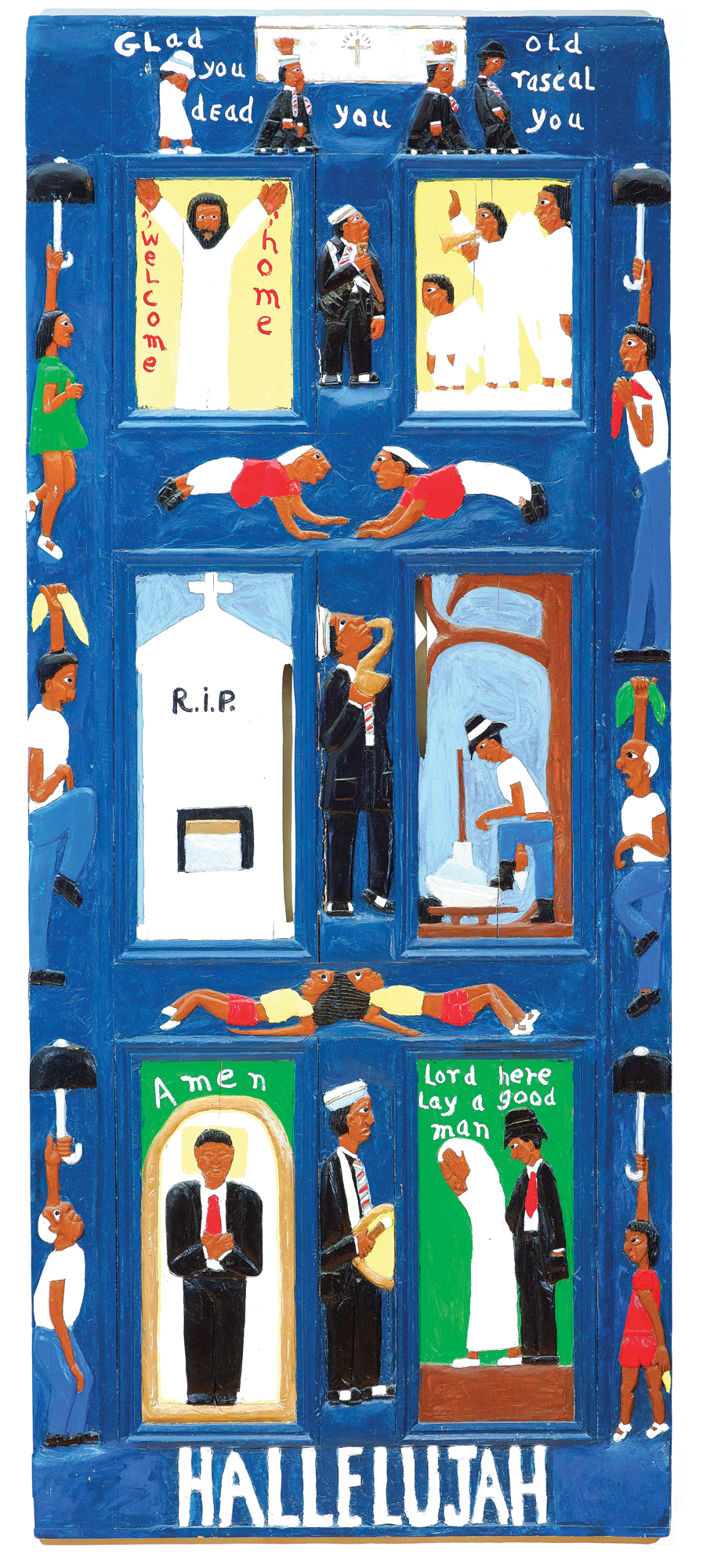
Herbert Singleton Jr. (American, born New Orleans, Louisiana, 1945–2007), “Hallelujah Door,” 1993, wooden door with enamel paint, High Museum of Art, Atlanta, T. Marshall Hahn Collection, 1996.185.
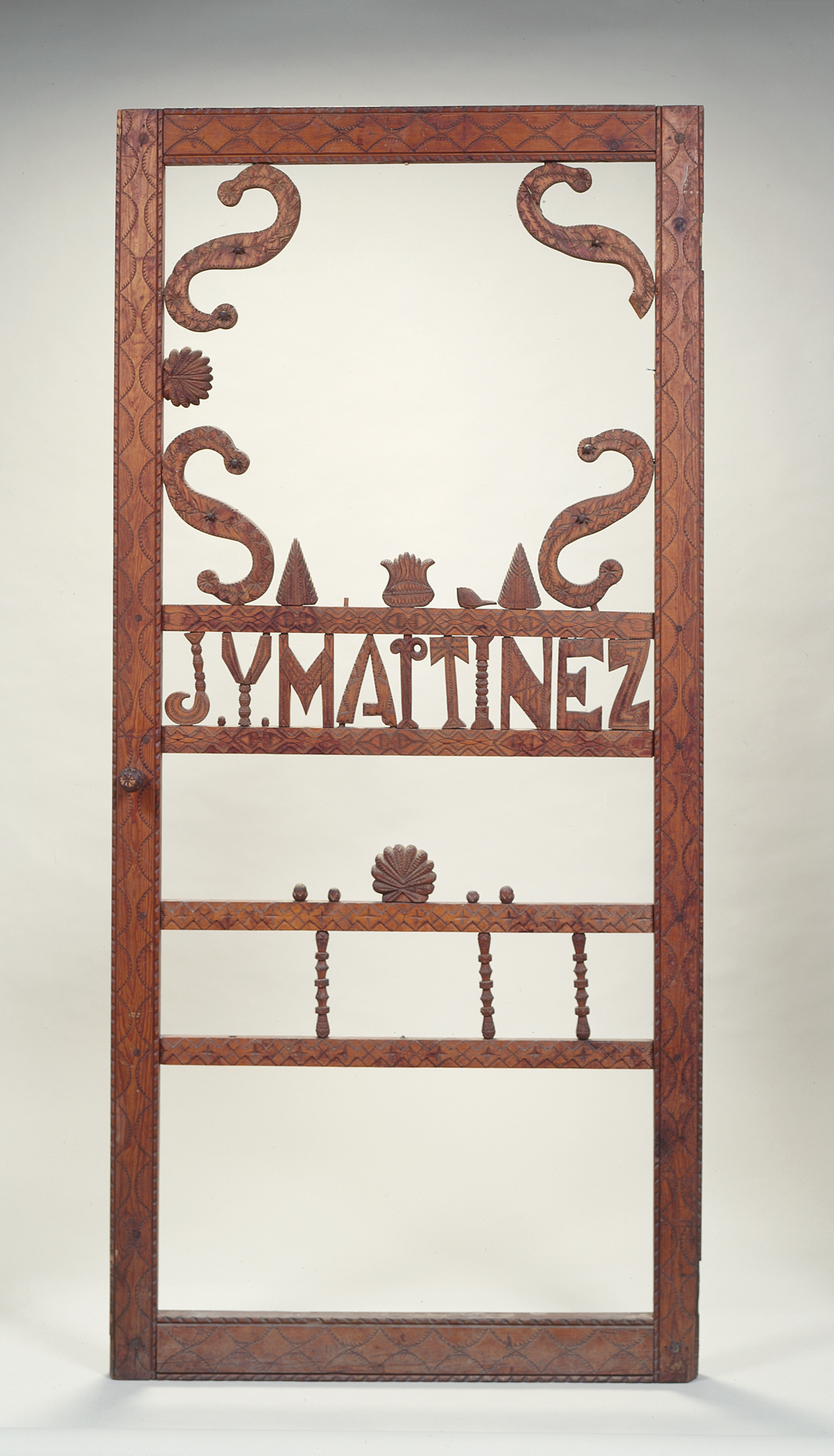
José Dolores López (American, born Córdova, New Mexico, 1868–1937), “Untitled (Door),” ca. 1920s–1930s, Ponderosa pine, High Museum of Art, Atlanta, purchase with funds from the Decorative Arts Acquisition Endowment and the Mattie Lou O’Kelley Endowment, 1999.8.
While the new American galleries at the High encompass a wide range of materials, stories, and artistic traditions, one of the central throughlines is how the collection has evolved over time and will continue to change in the future. The balcony galleries in particular bring to life Pulitzer Prize–winning author (and Atlantan) Isabel Wilkerson’s observation that redressing this nation’s foundations is like endlessly reworking an old house inherited from generation to generation: “We can never declare the work over.” The prevalence of architectural fragments in the High’s collection led us to embrace this metaphor as it helps to address both the complex histories of our country, and the challenges of shaping an ever-evolving collection that can embody such lived realities. As visitors step off the elevator, they will experience an impactful display of doors and architectural spaces conceived by an array of makers whose diverse backgrounds and different approaches demonstrate the range of who is considered an American artist at the High.
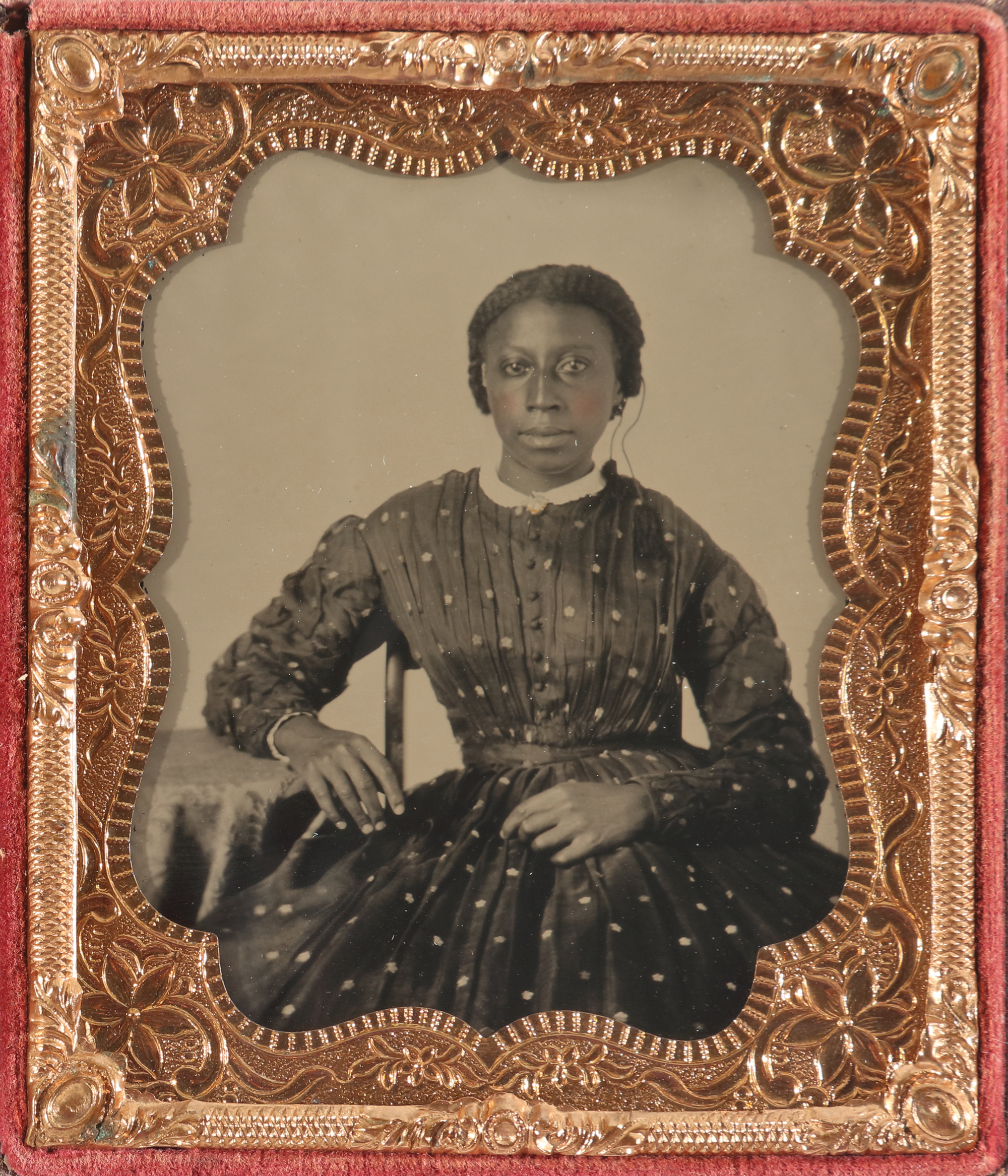
Photographer once known, “Portrait of a Woman,” ca. 1860, ambrotype, High Museum of Art, Atlanta, purchase, 1978.60.
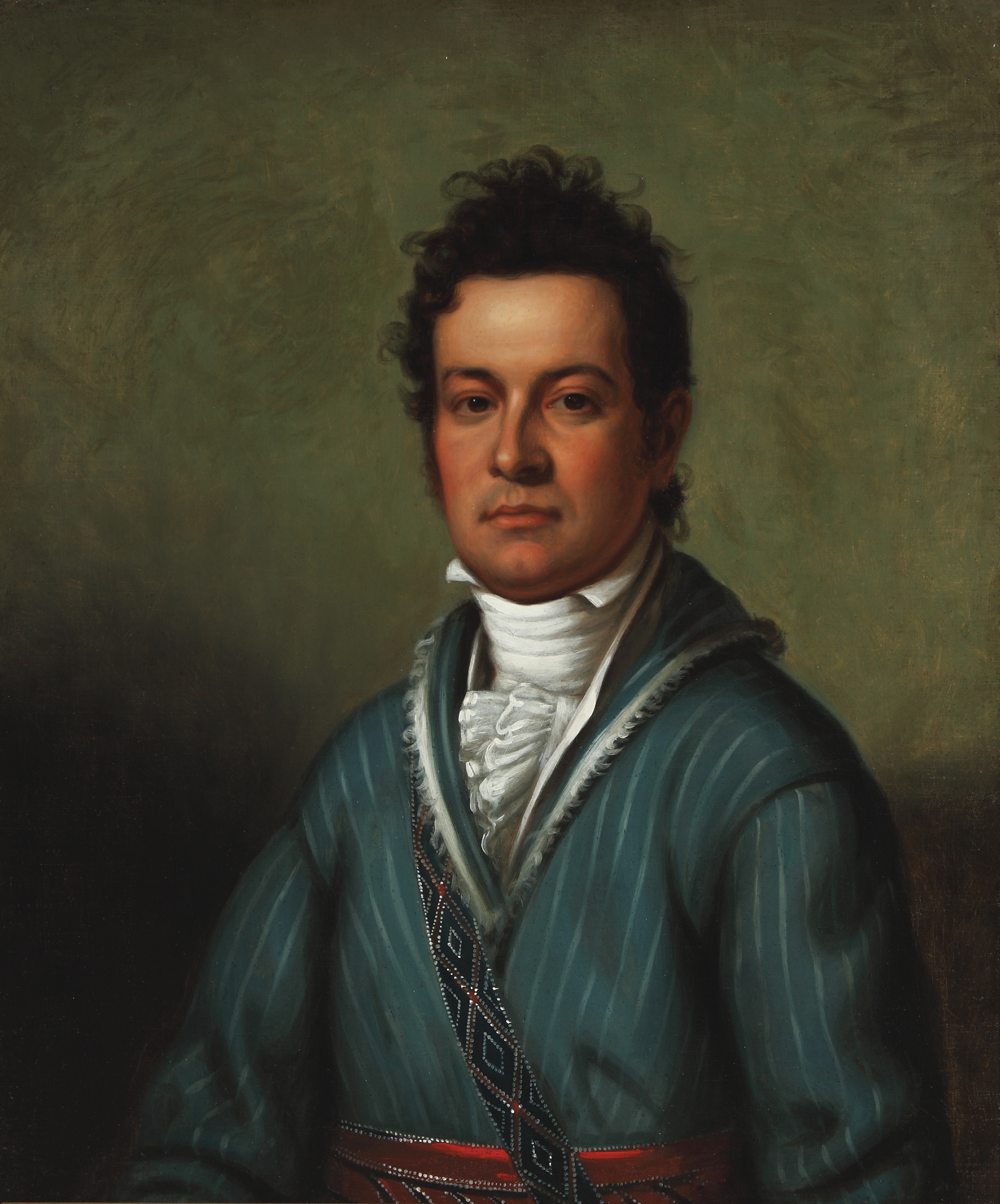
Henry Inman (American, born Utica, New York, 1801–1846), “David Vann (Cherokee),” ca. 1831–1834, oil on canvas, High Museum of Art, Atlanta, gift of Ann and Tom Cousins, 2017.116.
A significant focus of the High’s historical American collection is portraiture. Like many other collections, these holdings have historically represented more European American sitters, who had the means to commission artists to paint, sculpt, or photograph their likeness. This reinstallation will show that there were always sitters of color in 19th century American portraiture — those who both used the available means at the time, and exercised ingenuity and opportunity to make themselves seen. The High’s important collection of Indigenous portraiture reappears, but now contextualized through the perspectives of these sitters in refreshed interpretation, joining other examples of Black American and queer American historic portraiture, as we widen the lens to show the many ways we image ourselves and others.
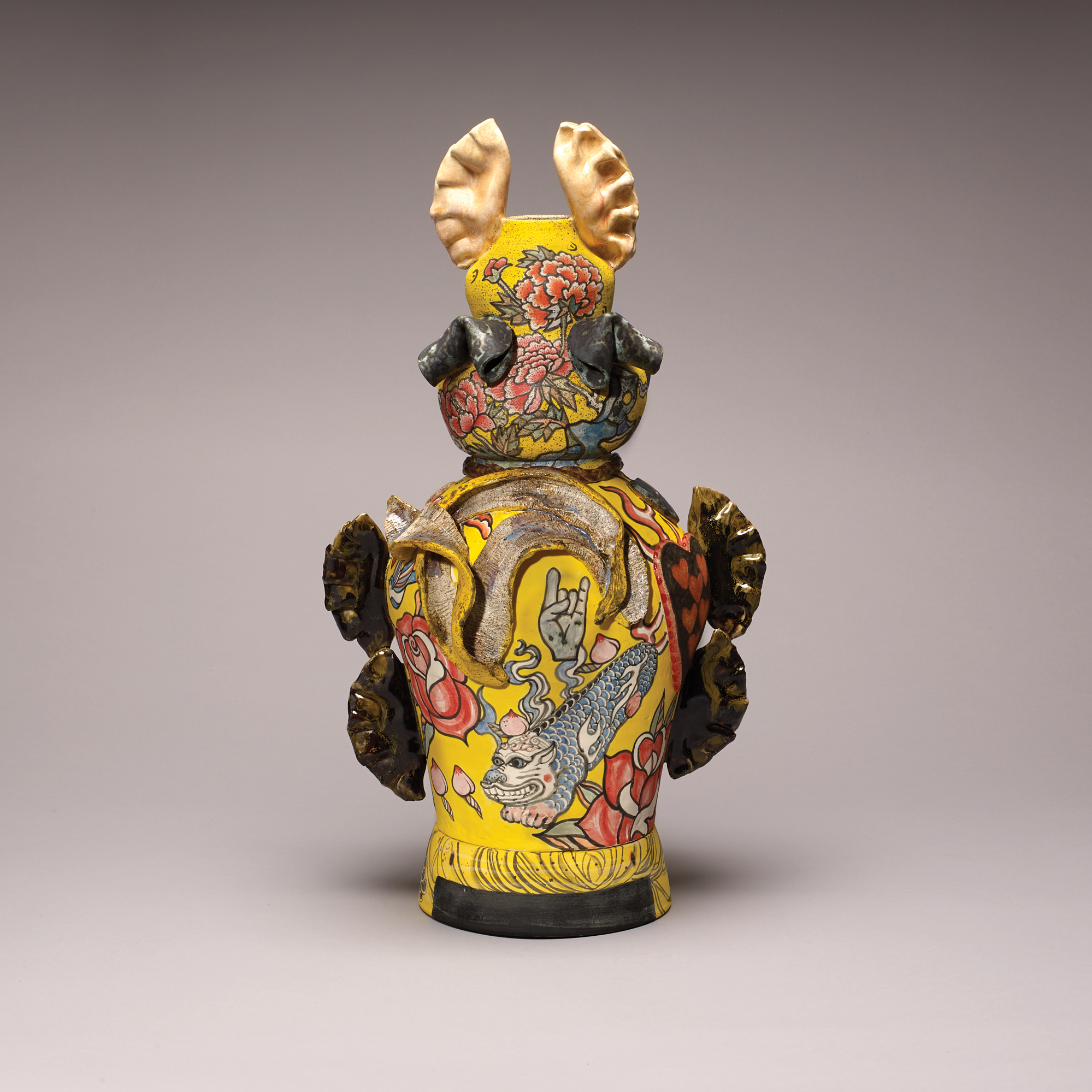
Made by Jiha Moon (American, born Daegu, South Korea, 1973), “Yellow Hare,” 2023, stoneware, porcelain, underglaze, and glaze, High Museum of Art, Atlanta, purchased with funds from Friends of Decorative Arts and Design, 2023.7. © Jiha Moon.
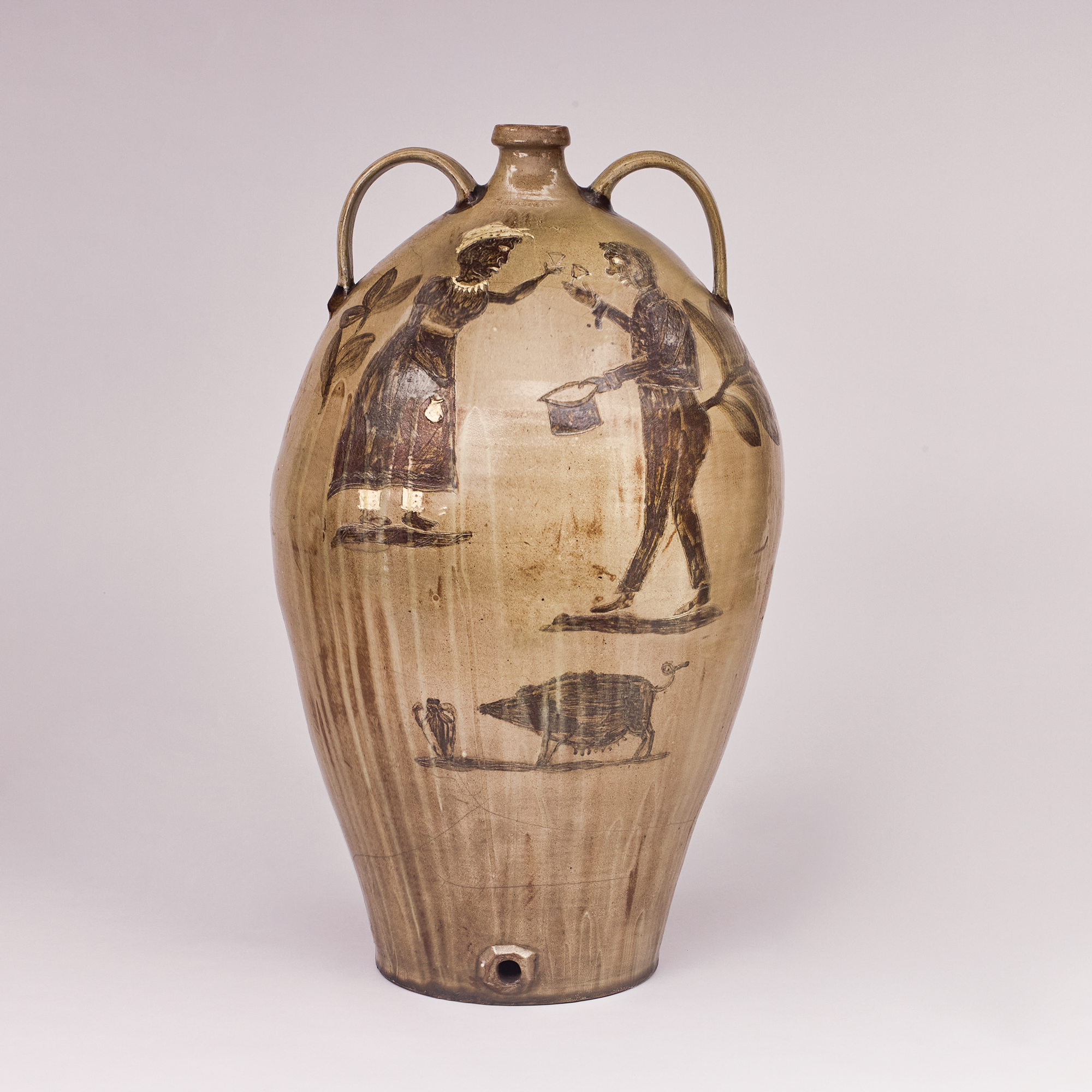
Maker(s) once known, likely enslaved at Phoenix Stone Ware Factory (Edgefield District, South Carolina, ca. 1840–ca. 1846), attributed to Thomas M. Chandler Jr. (American, born Virginia, 1810–1854), “Watercooler,” ca. 1840, alkaline-glazed stoneware with iron and kaolin slip, High Museum of Art, Atlanta, purchased in honor of Audrey Shilt, President of the Members Guild, 1996–97, with funds from the Decorative Arts Acquisition Endowment and the Decorative Arts Acquisition Trust, 1996.132.
Historic and contemporary ceramics also expand definitions of portraiture and representation in American art. A monumental vessel intended to showcase the skill of the potters at the short-lived Phoenix Factory, one of dozens of potteries in Edgefield, South Carolina, that depended on the labor of enslaved makers, offers a rare depiction of Black life from the antebellum period. A recent acquisition from Florida-based Korean American artist Jiha Moon is a multicultural (self)portrait, that borrows from Lewis Carroll’s Alice’s Adventures in Wonderland (1865), with Korean dumpling ears and arms, fortune cookie eyes, and surface designs drawn from East Asian printmaking, cultural tattoos, and Mexican Milagro-style ornamentation.
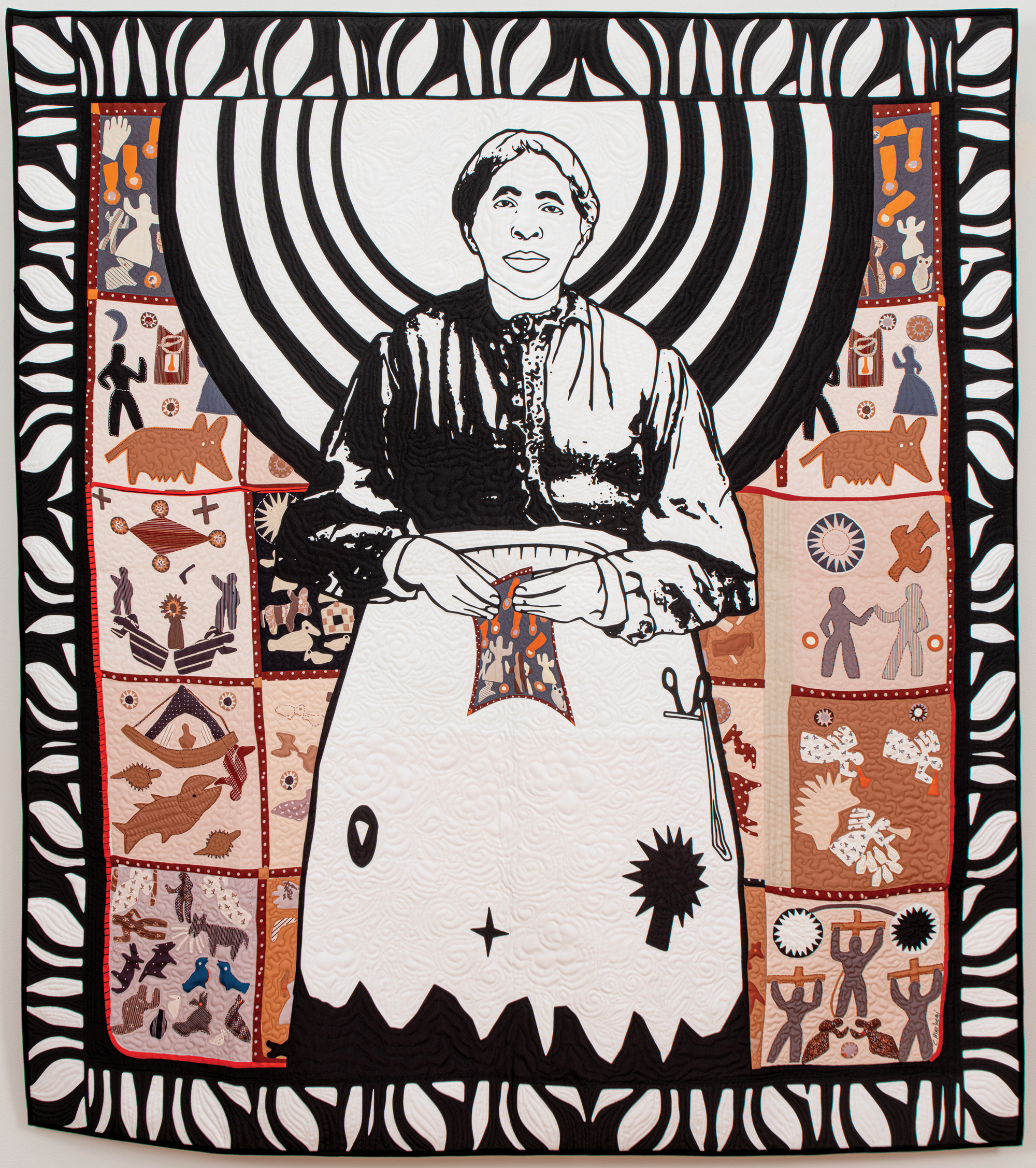
Carolyn L. Mazloomi (American, born Baton Rouge, Louisiana, 1948), “Ode to Harriet Powers: Mother of African American Quilting,” 2024, poly-cotton fabric, cotton thread, cotton batting, and fabric paint, High Museum of Art, Atlanta, Centennial Acquisition: Purchased with funds from the Black Quilts and Contemporary Art Initiative, 2024.204. © 2026 Carolyn Mazloomi.
The Southern past is addressed in radically different ways by quilter Carolyn Mazloomi (in a tribute to Harriet Powers, a formerly enslaved Georgia quilter who showed her iconic Bible quilts at the 1895 Cotton States and International Exposition) and painter James McDougal Hart (in a nostalgic Southern landscape conceived at the height of the Civil War). Whereas Southern cultures have so often been neglected or siloed in the national imagination, the gallery featuring these works considers how the South was variously represented as romanticized, haunted, and resilient, especially in relation to centennial nationalism at the turn of the century.
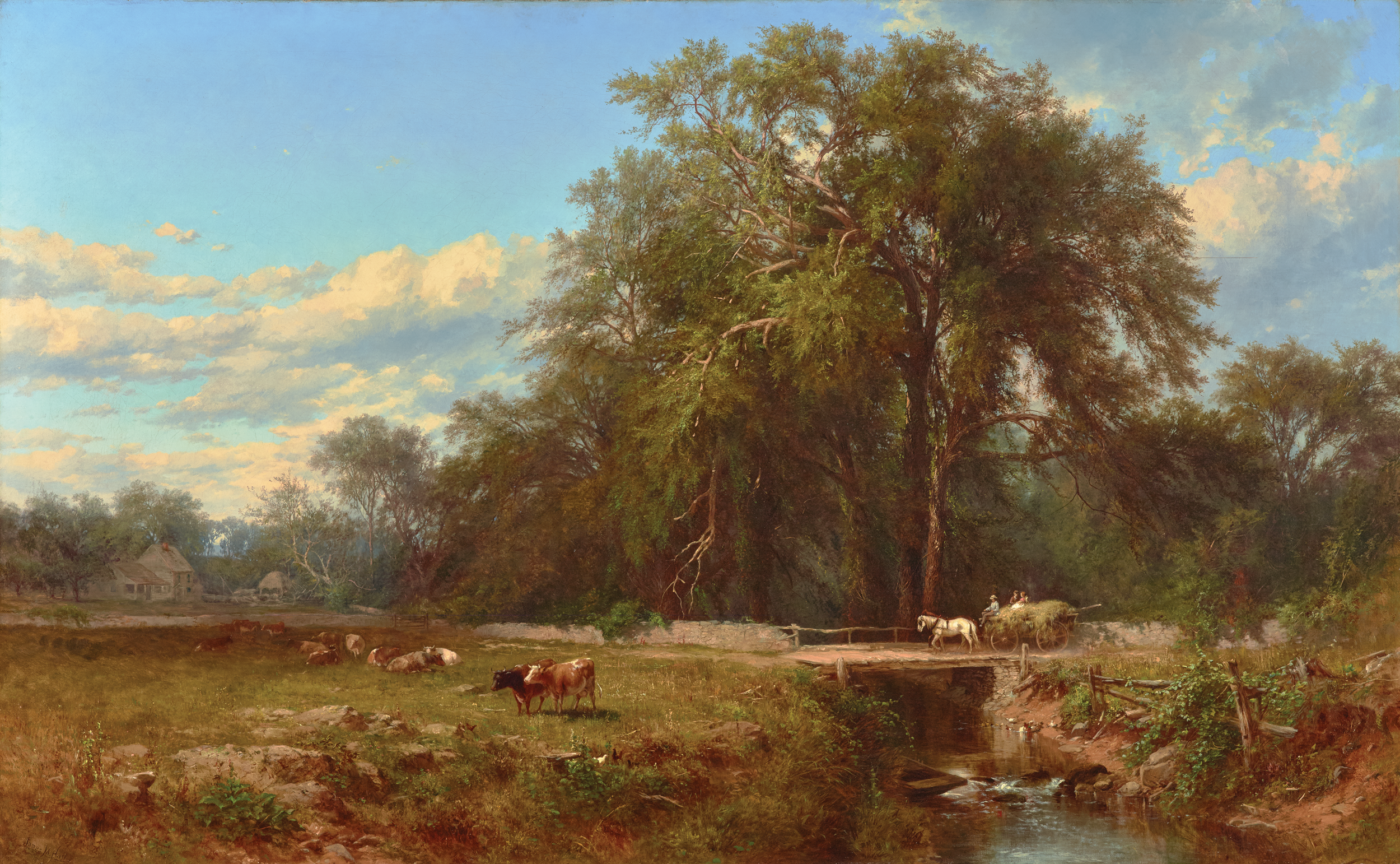
This Page: James McDougal Hart (American, born Kilmarnock, Scotland, 1828–1901), “The Old Homestead,” 1862, oil on canvas, High Museum of Art, Atlanta, gift in memory of O. Ray Moore from his family, 1982.129.
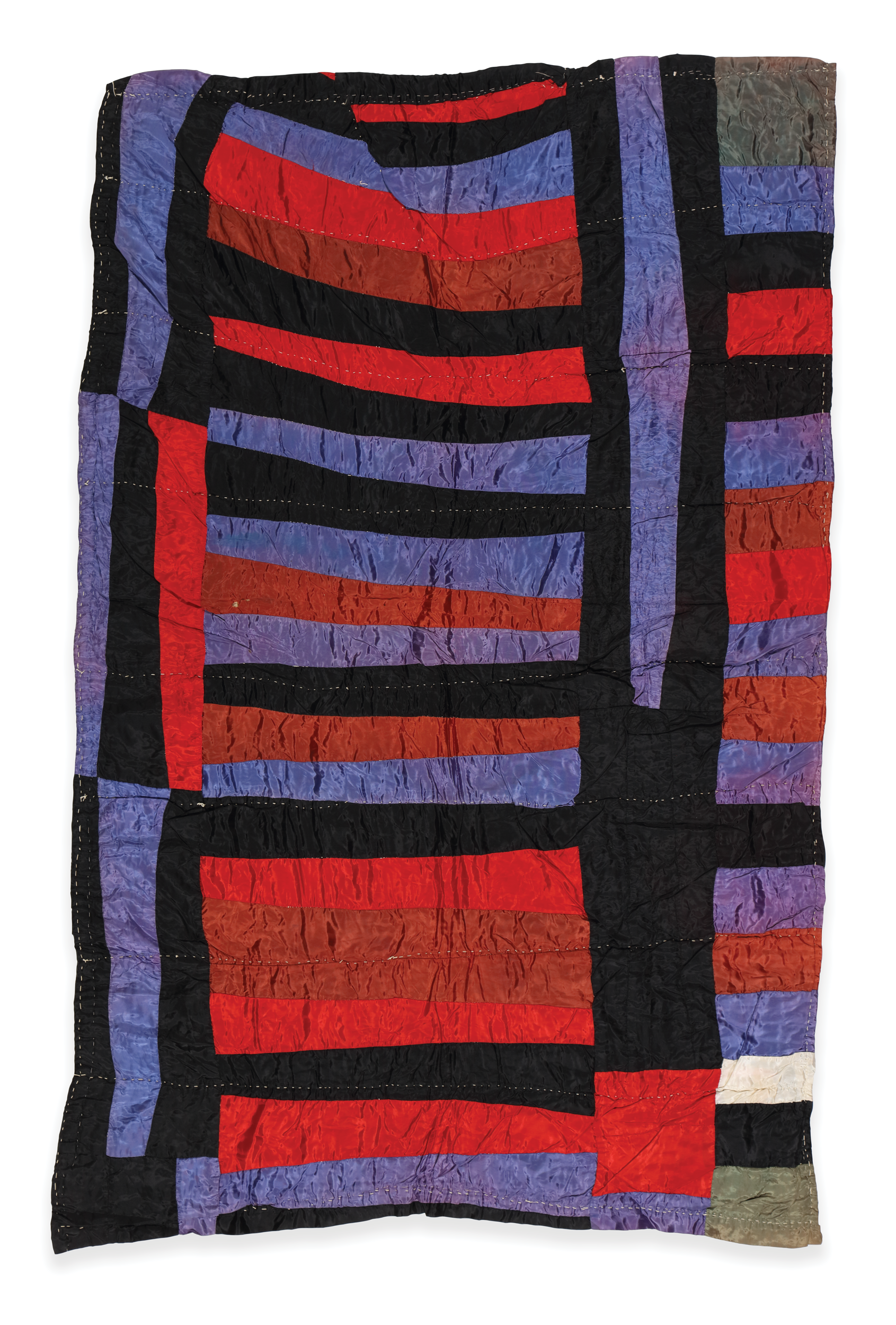
Artist once known, “Untitled (Strips and Bars Quilt),” 1950–1960, acetate and cotton, High Museum of Art, Atlanta, gift of Carl and Marian Mullis, 2005.333.
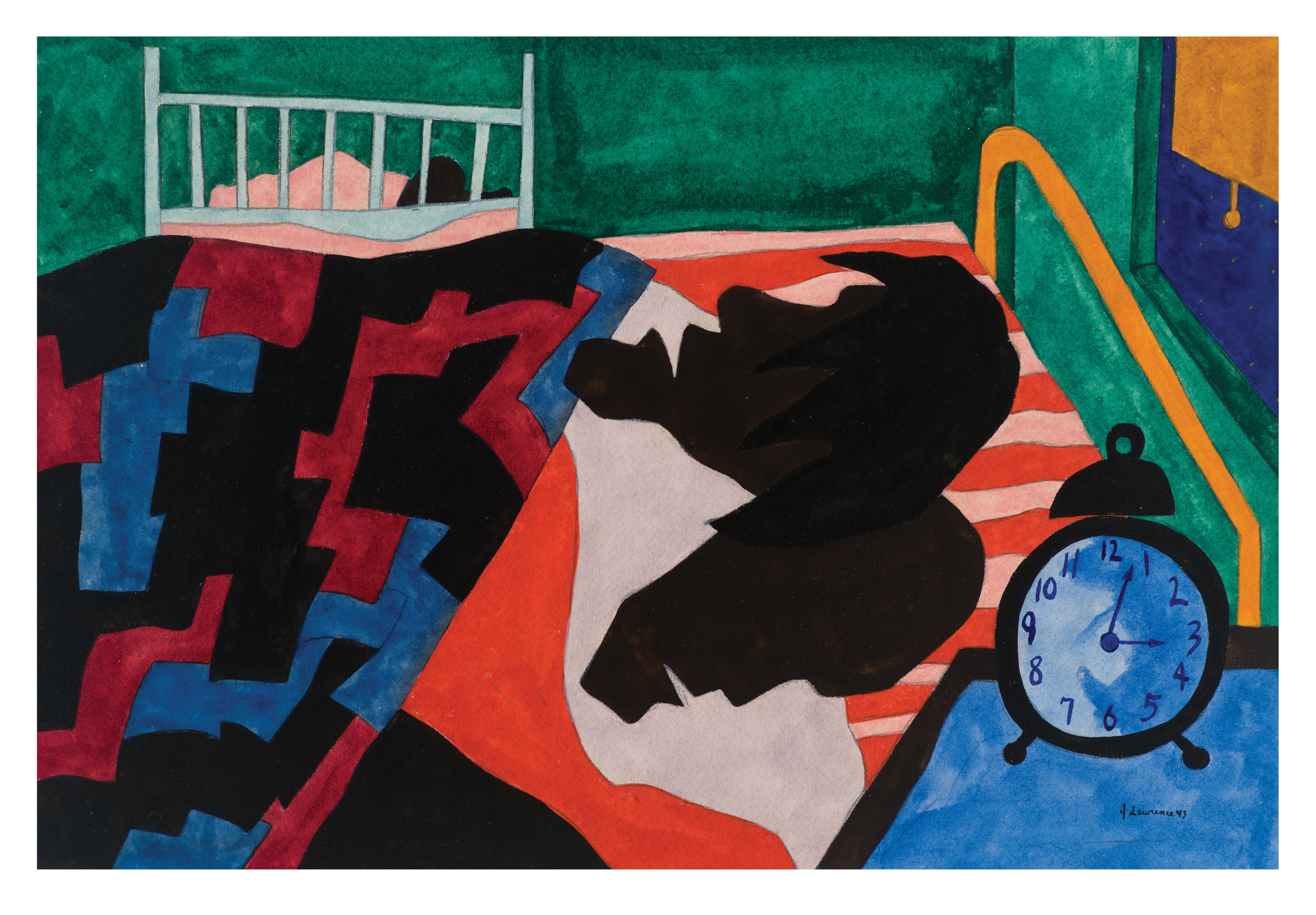
Jacob Lawrence (American, born Atlantic City, New Jersey, 1917–2000), “Night (And then they go to sleep),” 1943, watercolor, gouache, and tempera on paper, High Museum of Art, Atlanta, Centennial Acquisition: Purchased with funds from Alfred Austell Thornton in memory of Leila Austell Thornton and Albert Edward Thornton, Sr., and Sarah Miller Venable and William Hoyt Venable, Margaret and Terry Stent Endowment for the Acquisition of American Art, Michael and Lisa Shapiro Endowment Fund for Art Acquisitions, and David C. Driskell African American Art Acquisition Fund, 2025.111. © 2026 Jacob Lawrence / Artists Rights Society (ARS), New York.
The contrasting color placements and rhythmic, asymmetrical piecing of fabric in this “strips and bars” quilt recall traditions of improvisational quilting most associated with Black quilters of the American South. As Black Americans fled racial terror and sought new economic opportunities during the First and Second Great Migrations, these kinds of artistic traditions migrated, too. Jacob Lawrence placed the couple at the center of this newly rediscovered painting from his 1943 Harlem series under a very similar textile, demonstrating the aesthetic influence that quilts have had on Black American artists in the 20th century.
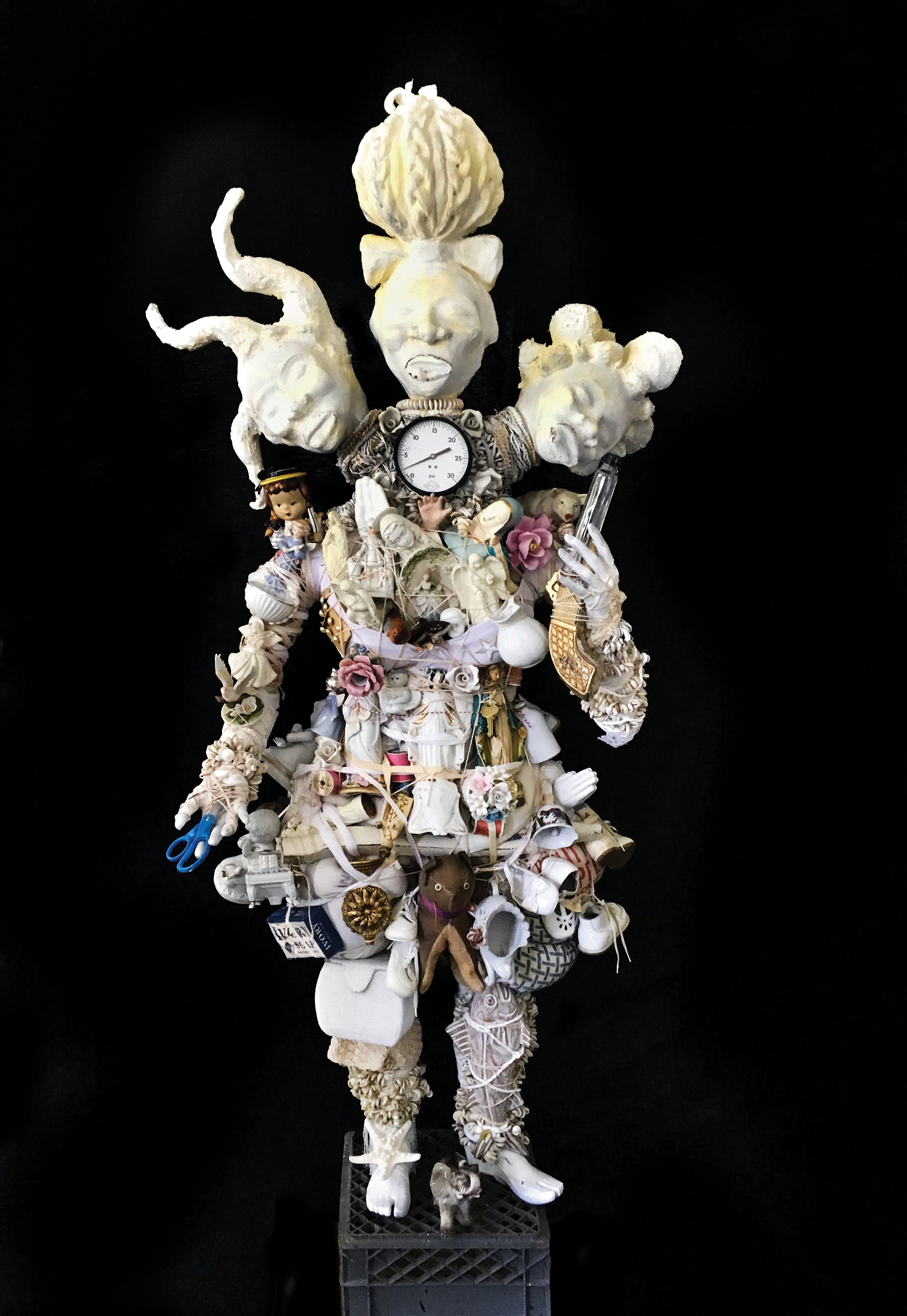
vanessa german (American, born Milwaukee, Wisconsin, 1976), “The Three-Headed Girl: A Comprehensive List of Everything That Will Try to Kill You on a Sunday, or, The Three-Headed Girl Knows Exactly How to Stay Alive,” 2018, mixed media assemblage, High Museum of Art, Atlanta, purchased with Folk Art Acquisition Fund, 2019.198.
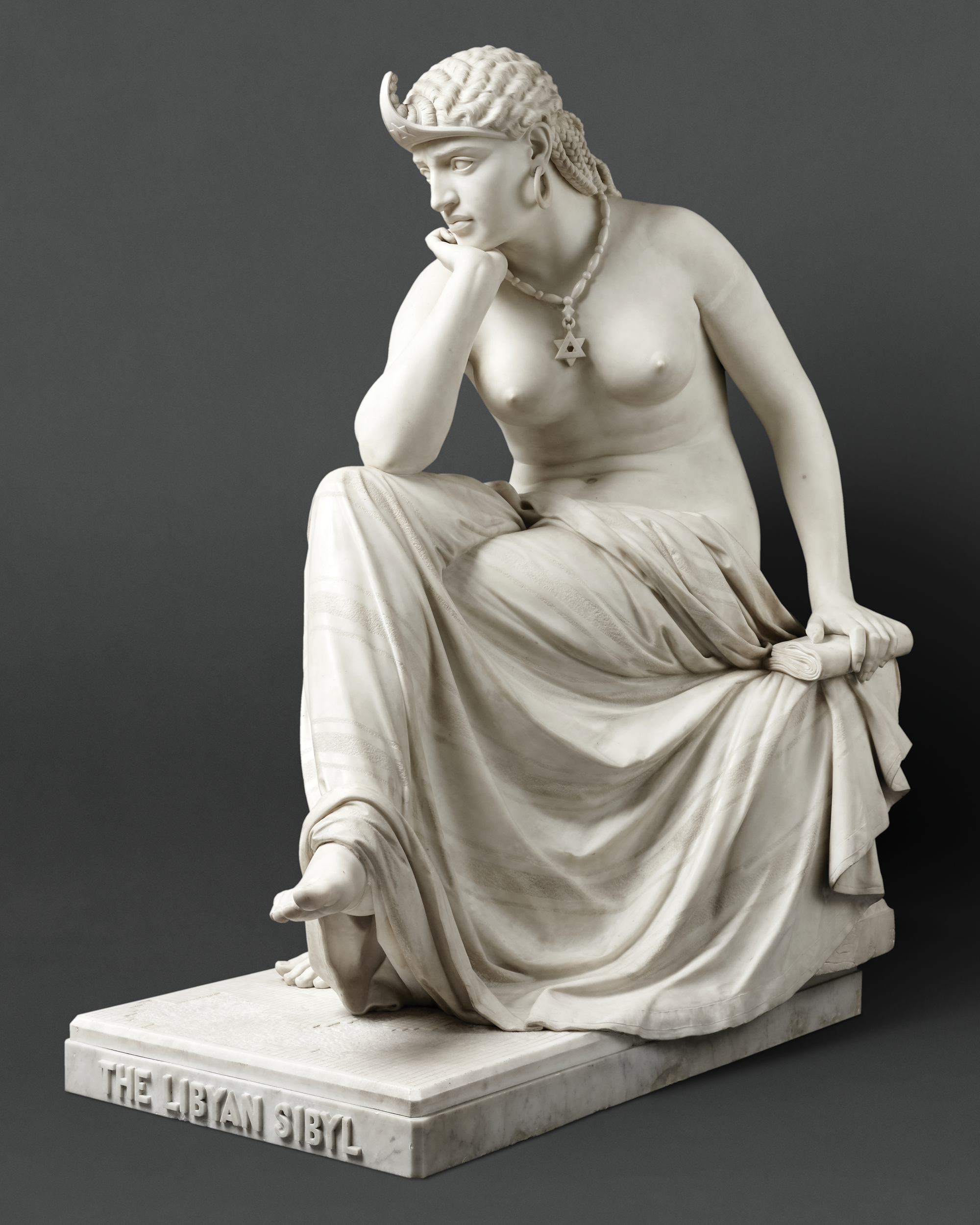
William Wetmore Story (American, born Salem, Massachusetts, 1819–1895), “Libyan Sibyl,” 1860, carved 1878, marble, High Museum of Art, Atlanta, gift of the West Foundation in honor of Gudmund Vigtel and Michael E. Shapiro, 2010.90.
The High has a renowned collection of 19th century American Neoclassical sculpture, many of which address stories centered around mythological, Biblical, and allegorical women. The reinstallation tells their stories and also puts one of our finest, William Wetmore Story’s “The Libyan Sibyl,” in conversation with more contemporary work by feminist artists including vanessa german, whose sculptures likewise consider representations of women as powerful and grotesque in ways that challenge the hegemony of whiteness and the classical form as beauty ideals.
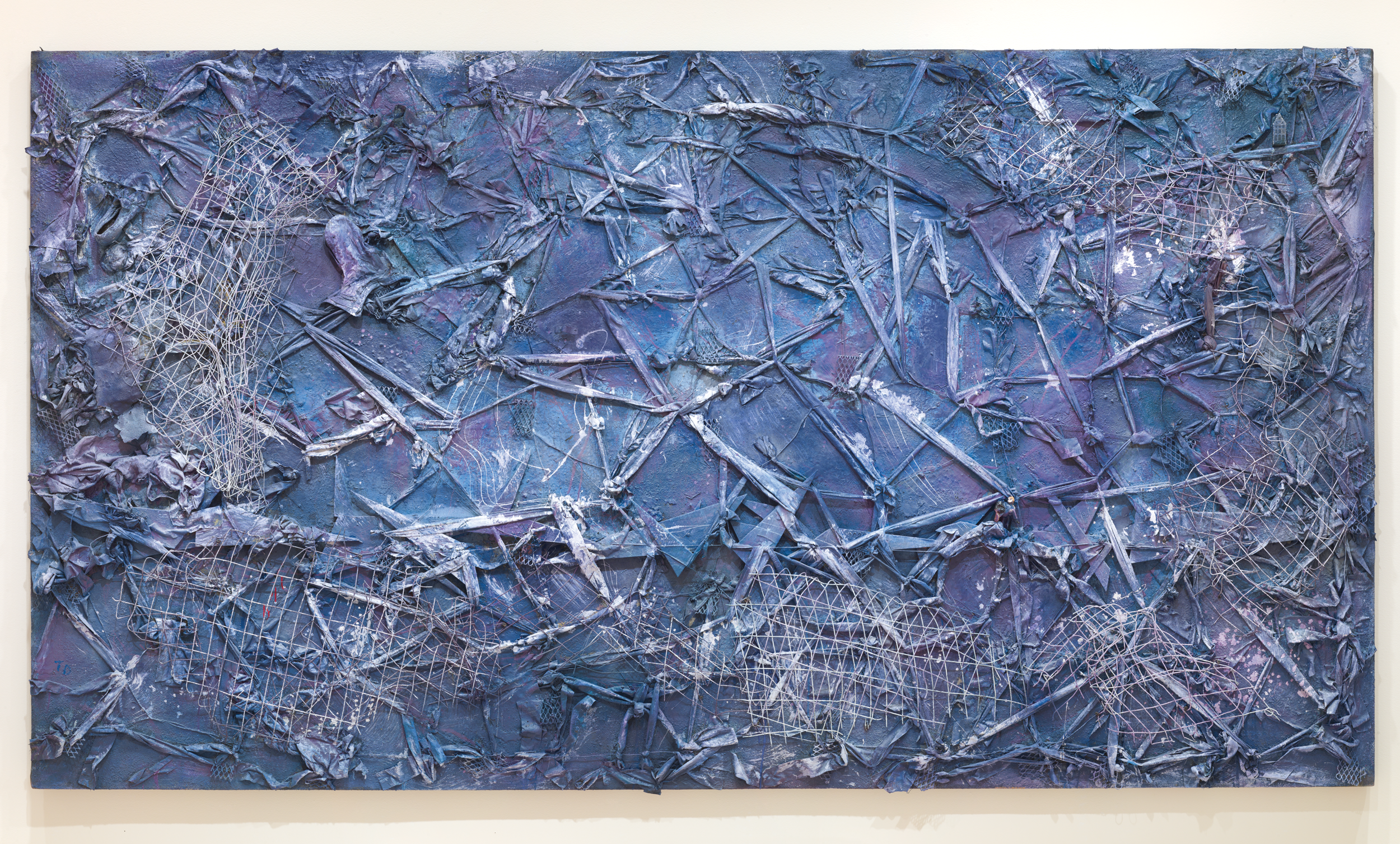
Thornton Dial Sr. (American, born Emelle, Alabama, 1928–2016), “Crossing Waters,” 2006–2011, wire fencing, clothing, cloth, wood, metal, corrugated tin, shoe, ceramic figurines, and paint on canvas on wood, High Museum of Art, Atlanta, museum purchase, and gift of the Souls Grown Deep Foundation from the William S. Arnett Collection, 2017.42. © 2017 Estate of Thornton Dial / Artists Rights Society (ARS), New York.
(Top painting) Régis Gignoux (French, born Lyon, France, 1816–1882), “Niagara Falls,” 1855, oil on canvas, High Museum of Art, Atlanta, gift of the West Foundation in honor of Gudmund Vigtel, 2010.128.
Katherine “Katie” Jentleson is Senior Curator of American Art and Merrie and Dan Boone Curator of Folk and Self-Taught Art, High Museum of Art, Atlanta. She lives in Decatur with her family, where she enjoys gardening and the perpetual calendar of neighborhood festivals across the city. She was born in Northern California and grew up in DC-metro Maryland, but considers herself mostly Southern because of the influence of her mother, who was born in a shotgun house in the Ninth Ward. She earned her PhD from Duke University and is still heartbroken by the loss (on many levels) of Cooper Flagg.
Monica Obniski joined the High in March 2020 as curator of Decorative Arts and Design. She is responsible for the Decorative Arts and Design department, including related exhibitions and programs, as well as its collection of more than 2,300 objects dating from the 17th century to the present. Obniski earned a doctorate in art history, with specialization in architecture and design, from the University of Illinois at Chicago; a Master of Arts in history of decorative arts and design from the Bard Graduate Center; and a Bachelor of Arts from Loyola University Chicago.
Anni Pullagura, PhD, joined the High in November 2024 as the Margaret and Terry Stent Associate Curator of American Art. Pullagura is responsible for the growth and development of the museum’s collection of American paintings, sculpture, drawings, and prints by academically trained artists working in the United States from the 17th century through the 1960s, as well as related exhibitions and programs. Pullagura earned a PhD in American Studies from Brown University and her undergraduate degree from Emory University.
Featured in Issue No. 14