
Author of Prose to the People: A Celebration of Black Bookstores, Katie Mitchell is one of our nation’s leading champions for the power of books. Her online and pop-up Black bookstore, Good Books, has been featured in The New York Times, NBC, NPR, PBS, and many other outlets. She curated a powerful list for us last summer, so we turned to her again as we need even more inspiration and courage with the midterms upon us during our country’s 250th year.
Words by Katie Mitchell
August 20, 2026
—
Originally published in Issue No. 14 of The Bitter Southerner Magazine
As our nation’s semiquincentennial looms ominously, I’ve been thinking less about Stevie Wonder’s “Happy Birthday” and more about his 1972 track “Big Brother,” a world-weary song inspired by George Orwell’s dystopian novel 1984. It is an elegy for a crumbling America, a mournful ode for a nation that was turning its back on the Civil Rights Movement.
Over a wailing harmonica, Wonder croons:
You’ve killed all our leaders
I don’t even have to do nothin’ to you
You’ll cause your own country to fall
Nearly 60 years later, this premonition feels prophetic, as our institutions collapse all around us. America has become unbecoming — no longer progressing toward a bright, shining future, but regressing back toward our shadowy, blood-stained past.
Writing of our national origins in his groundbreaking 1994 book, Race Matters, Cornel West reminds readers that “America was a business project before it was a democratic experiment.” Everywhere you look, you can see the enterprising spirits of imperialism, of exploitation, of domination gaining momentum. Regime change in Venezuela, resorts for Gaza, bombs in Iran, an oil blockage in Cuba, all with promises of profit. Citizens’ private data is sold off for parts. The president glorifies violence and racial hierarchy.
The madcap joy with which the nation lumbers backward is almost satirical. As part of the nation’s 250th celebrations, the White House hosted a UFC cage fight on the White House Lawn for the president’s 80th birthday. It is almost as if we are trying to reenact scenes from Django Unchained, wherein the white gentry of the Old South entertained themselves by having slaves fight and scrap to the death in front of them in “Mandingo” matches. The veneration of slavery is as obvious as Trump reverting Fort Gregg-Adams to Fort Lee, as his administration’s removing historical placards to hide that slavery ever existed.
To be disgusted by this goonish degradation of the American character is not radical. It is not un-American to dislike America’s decay. Feeling melancholy amid incalculable suffering is normal. What’s strange is demanding that citizens jump for joy. It is the very authoritarians who suppress our votes and rights to protest who demand that we be more “patriotic.” It is those who crush our civic spirit who demand we shout and show jubilant, unquestionable loyalty. Madness!
In times like these — when Americans’ minds and hearts are under such fierce attack — reading is more important than ever. Amid the passing of voter suppression bills and “anti-riot” laws, what we are experiencing now is not only the retrenchment of activism. What we are experiencing is the retrenchment of reading, writing, and learning about activism. America’s ongoing book bans, the nonstop systematic legal attack on literature, create the ludicrous situation wherein reading about civil disobedience, in and of itself, is an act of civil disobedience.
Yet as bizarre as this feels, in so many ways, it has always been true.
It is no coincidence that biographers described Frederick Douglass as “a slave stealing knowledge,” who often recounted “his seizure of literacy.” It is no coincidence that Douglass was aided on the Underground Railroad by David Ruggles, an abolitionist Black bookstore owner who was regularly targeted for his literacy. It’s no coincidence that J. Edgar Hoover surveilled Harlem’s National Memorial African Book Store; or that Black-owned Vaughn’s Bookstore in Detroit was bombed by the police; or that Drum & Spear Book Store, founded by SNCC leaders, was harassed by the FBI; or that Martin Sostre, a Muslim bookstore owner, was targeted by Buffalo police in a setup. When American activists say reading is a revolutionary act, they are not being hyperbolic.
For generations, Americans have understood literacy as a path to liberation. This is why during Reconstruction, Freedmen fought so hard for literacy, why after the Civil Rights Movement, SNCC activists started bookstores, and why in his later years John Lewis wrote comic books. It was our thought, our hope, that in documenting and reading our history we could set ourselves free and defeat modern vestiges of oppression like the school-to-prison pipeline.
But this current regime now seeks to construct a prison-to-school pipeline as well. They seek to pump the page-ripping, line-redacting, chapter-blotting, book-removing policies from the jailhouse to the schoolhouse. They seek to remove liberating literature, to censor and censure the vitality that could set us free.
In her documentary, The Pieces I Am, Toni Morrison commented on being banned from a Texas prison, noting that administrators feared her book Paradise would start a riot. “How powerful is that?” she chuckled to herself. “I could tear up the whole place.” Morrison’s power to incite insight, to tear down walls of oppression, is what America now seeks to drain not only from the incarcerated but also from children, college students, service members, government employees, from me, from you.
Today, the stakes are clear. Trump wants to take us back. He seeks to control us. He is a Bull Connor of a man. This isn’t a president in the mold of Ronald Reagan, who reluctantly inaugurated Martin Luther King Day while whispering racial slurs about African dignitaries. No, Trump is cruder. Today’s MAGA governors seek not to co-opt, but to erase. They aim not to create a useful history, but to erode history under the force of law. The project is well underway.
Teachers and librarians are losing their jobs. Protesters face attack and murder. Free speech is fading. Voting rights are being curtailed. Black and brown people are being snatched off the streets. Now, just as during the past, the carceral is subsuming the civic. As this happens, as the line between the inside and outside of prisons fades again, we must shed our political inhibitions. Heed the elders — we need not fear a police state is coming, we are already living in one.
To be brave in this age of banned books, edited museums, and removed historic markers is, in part, to return to the power of literature. Books are both a balm and a bright light, leading us towards a better future. They help us find hope and restoration. They help us to remember and to be redeemed. They enable us to discover what Abraham Lincoln once called “our better angels." So this year, we celebrate not with candles, not with fireworks, but with tomes so that we may learn and discover a way out of this muck and muddle — so that we may do more than grow another year older and another year unwiser. ◊ ◊
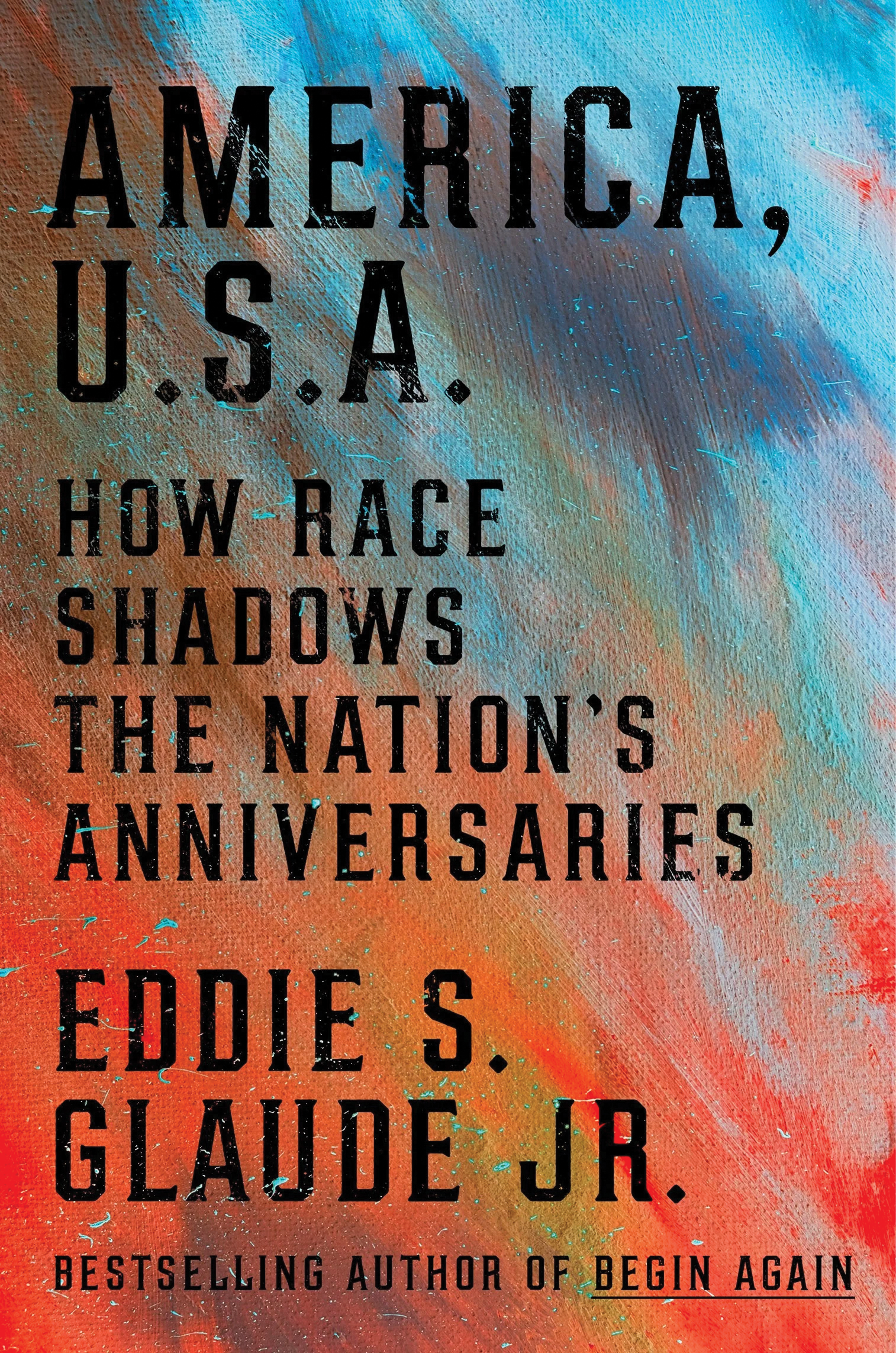
America, U.S.A.: How Race Shadows the Nation’s Anniversaries
—
by Eddie S. Glaude Jr.
Eddie S. Glaude Jr. has transformed the American political psyche several times over. His magisterial Democracy in Black: How Race Still Enslaves the American Soul was a jolting work at the transition from the Obama to the Trump eras, reminding readers of the depth and breadth of the Black political tradition beyond narrow electoralism. In 2020, his book Begin Again: James Baldwin’s America and Its Urgent Lessons for Our Own reintroduced Baldwin’s voice and thoughts into an America ailing from a pandemic, a contentious George Floyd protest movement, and Trump’s disruptive first presidency. In his new book, America, U.S.A.: How Race Shadows the Nation’s Anniversaries, Glaude writes about a nation at war with itself as it celebrates its 250th anniversary. This book is raw and honest about the corruption and apathy that have taken hold of the United States. Yet, for all his gritty realism, Glaude retains a sense of hope. As he writes, “This book wrestles with the story about the nation’s beginnings and its hubris, because I love the people here. But I see and feel what I see and feel, and our current days are not promising.” Nevertheless, for Glaude, “Our loves close to the ground and in the ground make this place something worth fighting for.”
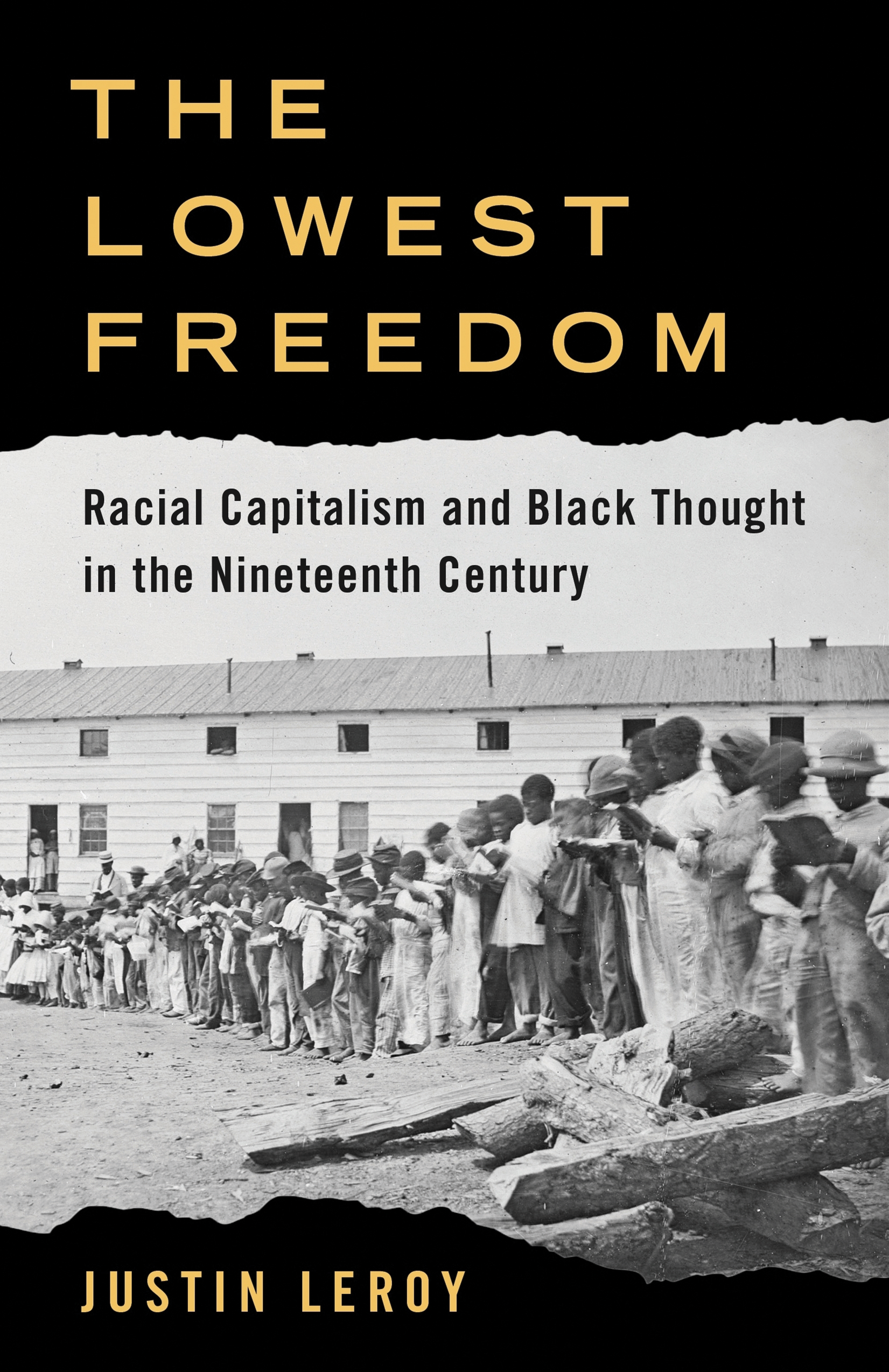
The Lowest Freedom: Racial Capitalism and Black Thought in the Nineteenth Century
—
by Justin Leroy
Justin Leroy’s book, The Lowest Freedom: Racial Capitalism and Black Thought in the Nineteenth Century, is remarkable for at least two reasons. The first is its intervention in language. This work of intellectual history and political economy reintroduces the term low freedom into the American lexicon to describe the space between slavery and true liberty. The term, borrowed from abolitionist David Walker, describes the middling space of inequality, violence, and second-class citizenship that still plagues many Americans. Secondly and more remarkably, this book excavates the political philosophy of 19th-century Black thinkers to articulate a more robust, ambitious vision of freedom. Writing of luminaries such as Frederick Douglass and Ida B. Wells, Leroy notes that they articulated a vision of “abolition democracy,” which “conceived of freedom not only as the end of the institution of slavery and the equitable incorporation into the political forms of American democracy, but also, crucially, as a project to rework the relationship among land, labor, and capital.”
Abolition democracy offered a vision that extended far beyond the limited freedom that came at the end of slavery and characterized Jim Crow. It called for an egalitarian, participatory society. It is a broad, robust vision for an organic American tradition of political and economic equality, offering readers, organizers, and citizens seeking hope a magnificent vision from the past.
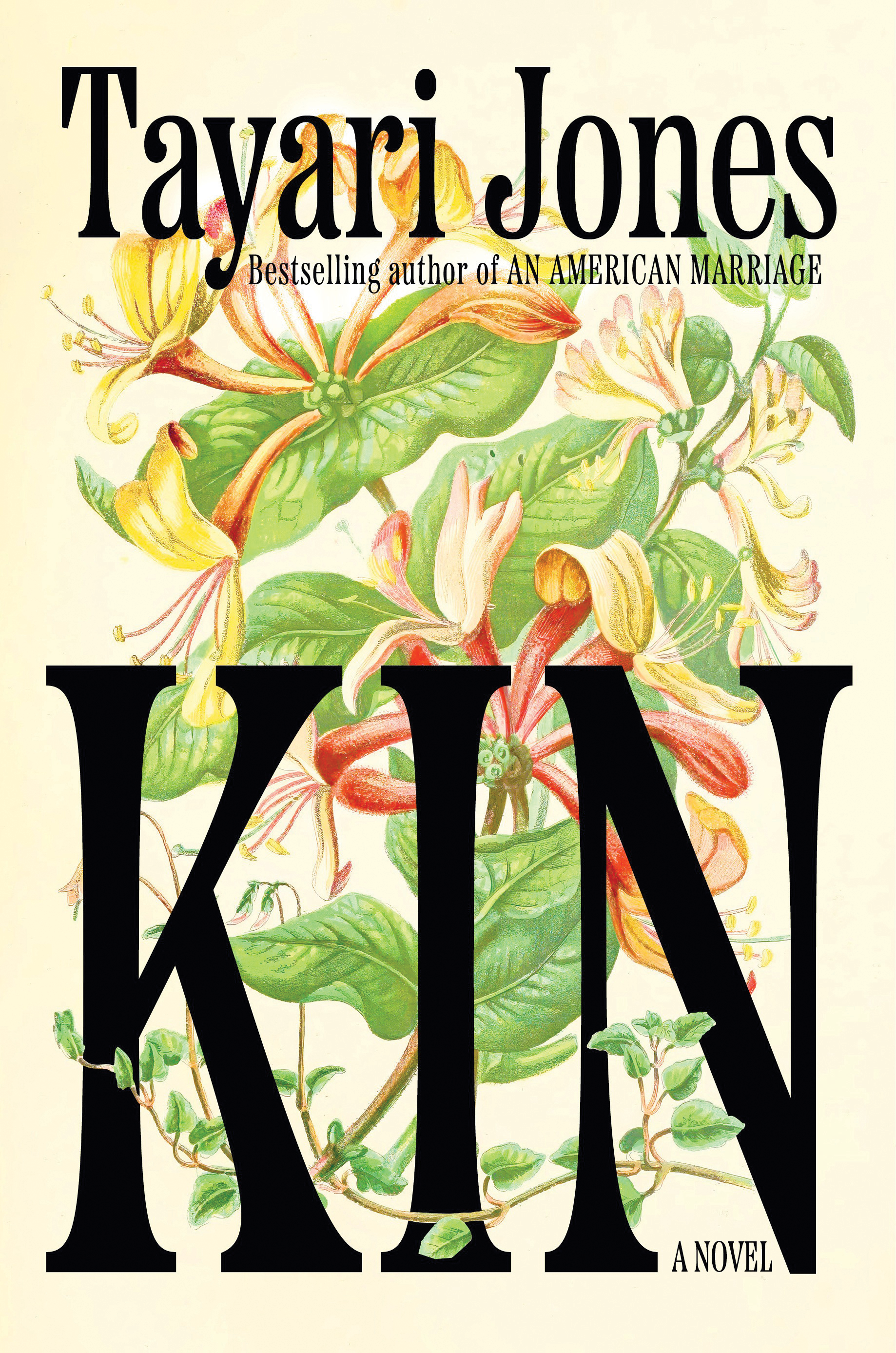
Kin
—
by Tayari Jones
Reading Tayari Jones, New York Times–bestselling author and professor of Creative Writing at Emory University, it’s easy to see why TIME Magazine named the Atlanta native one of the most influential people of 2026. Originally contracted to write a contemporary novel about a gentrifying Atlanta, Jones instead takes readers to the Jim Crow South to follow the divergent lives of “cradle friends,” Annie and Niecy. And while Annie and Niecy may not be tightening their belts due to the Beltline pricing them out, both are deeply impacted by an issue that fits seamlessly in a novel set in 2026 — the lack of access to reproductive healthcare. Sitting on the stage of Emory’s Glenn Memorial Chapel, Jones lamented that after the fall of Roe, young women today have fewer reproductive rights than previous generations. In Kin, Jones invites us into the lives of characters who could be our cousins, aunts, moms, and grandmas. We root for them as they struggle against structural racism and internalized homophobia, because we know, sitting from our perch in the future, that we are too.
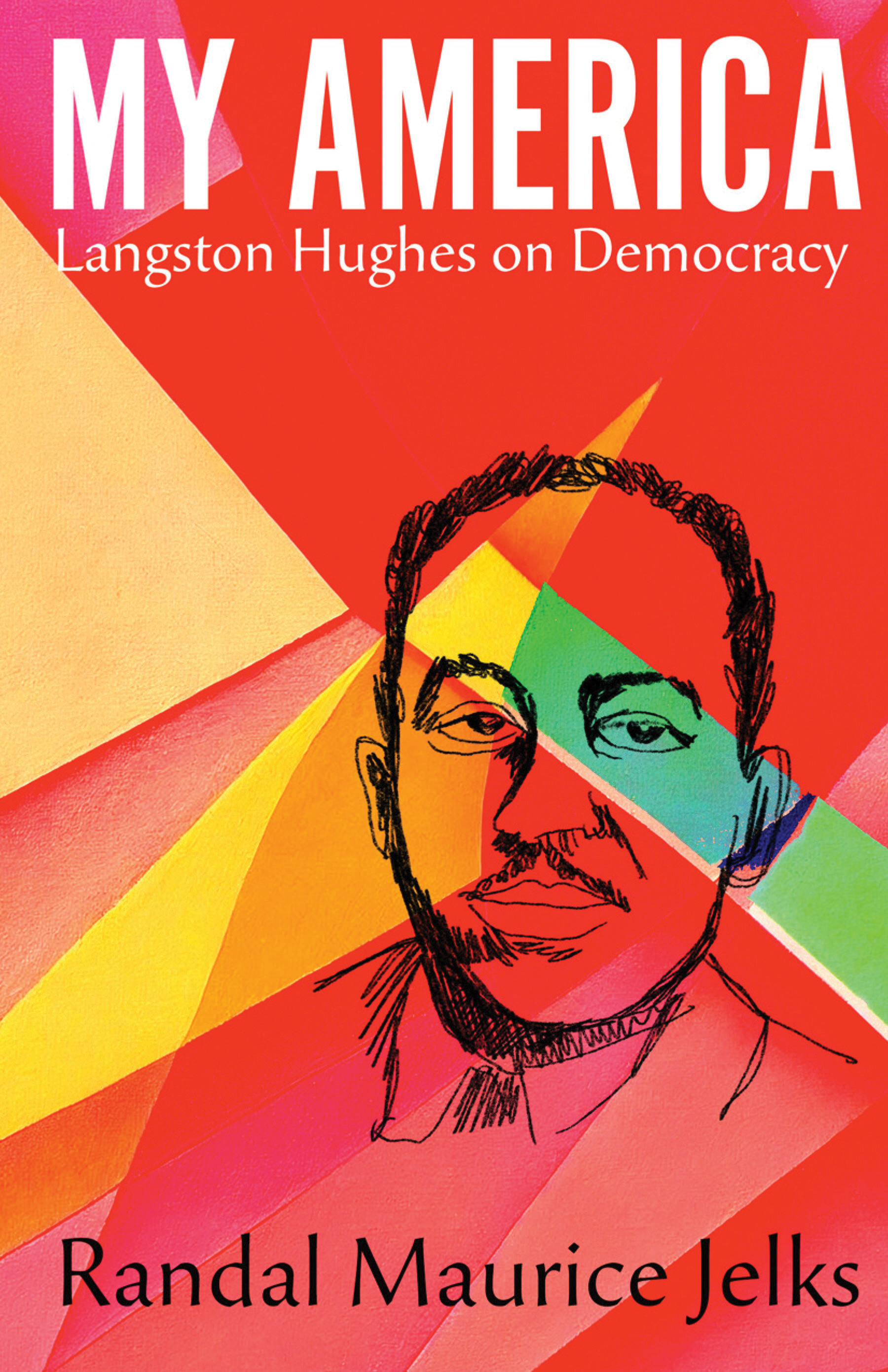
My America: Langston Hughes on Democracy
—
by Randal Maurice Jelks
Langston Hughes is easily one of America’s most beloved poets. An everyman, a busboy, a sailor — he traversed the world and this country, writing in the voice of the downtrodden and the disadvantaged. His trials and travels gave him a unique view into our country, a view that inspired his magisterial poem “I, Too,” where he writes from the perspective of America’s racial outcast. One feels the wisdom and reverberations of that poem throughout Randal Maurice Jelks’s My America: Langston Hughes on Democracy.
The book wrestles with Hughes not only as a poet but also as a thinker and folk theorist of democracy — someone who argued that America must democratize not only its polity but its economy as well. “His speeches, talks, and writings beginning in the 1930s narrated that democratic freedoms could not be without economic rights — sustainable employment, livable housing, and public education that reflected the needs of all,” Jelks explains. In our age of bigotry and billionaires run amuck, My America offers readers a radical vision of equality. As Jelks says of Langston’s politics: “Democracy was meaningless if one could not live without a share of its benefits. There could be no democracy if a highly stratified system of wealth based upon the privileges of race, color, creed, or sex dominated.”
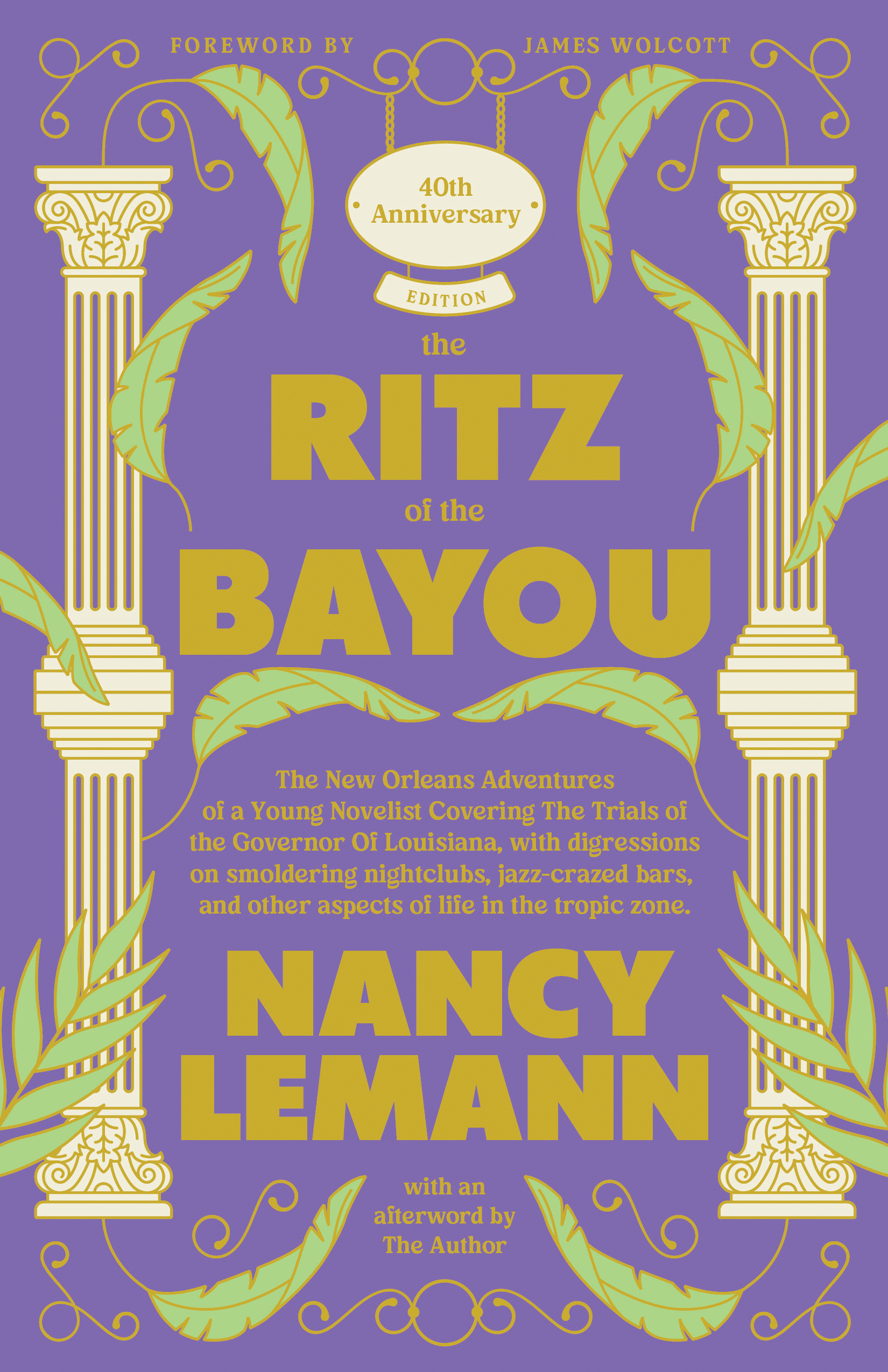
The Ritz of the Bayou
—
by Nancy Lemann
In this 1987 reissue, Nancy Lemann of New Orleans covers the trial of Louisiana Governor Edwin Edwards for racketeering, fraud, and bribery. In the introduction, James Wolcott describes Lemann as “an unrivaled, unlicensed detective in the art of ‘reading the room,’ the roving mistress of vibes.” And indeed Lemann gives readers atmospheric facts to make a decades-old trial feel timely. If readers aren’t careful, they may mistake Edwards for another corrupt politician and 1980s Louisiana for 2026 America. “…it was a breathtaking spectacle. The law can be evaded; it is something some dance on the edge of,” Lemann writes. Quoting a local columnist, The Ritz of the Bayou asserts, “In Louisiana we elect our governors to be kings. The nuttier the better, that they should turn into megalomaniacs, provide public entertainment, and have public breakdowns.” It’s almost prophetic. But the book also quotes another prophecy from the mouth of — as Leman describes — a black Senator. “Just as the walls of Jerusalem fell down, the ways of this state are in need of repair.” Readers could simply Google, Wiki, or ChatGPT the details of the trial, but Lemann’s on-the-ground reportage is far more interesting.
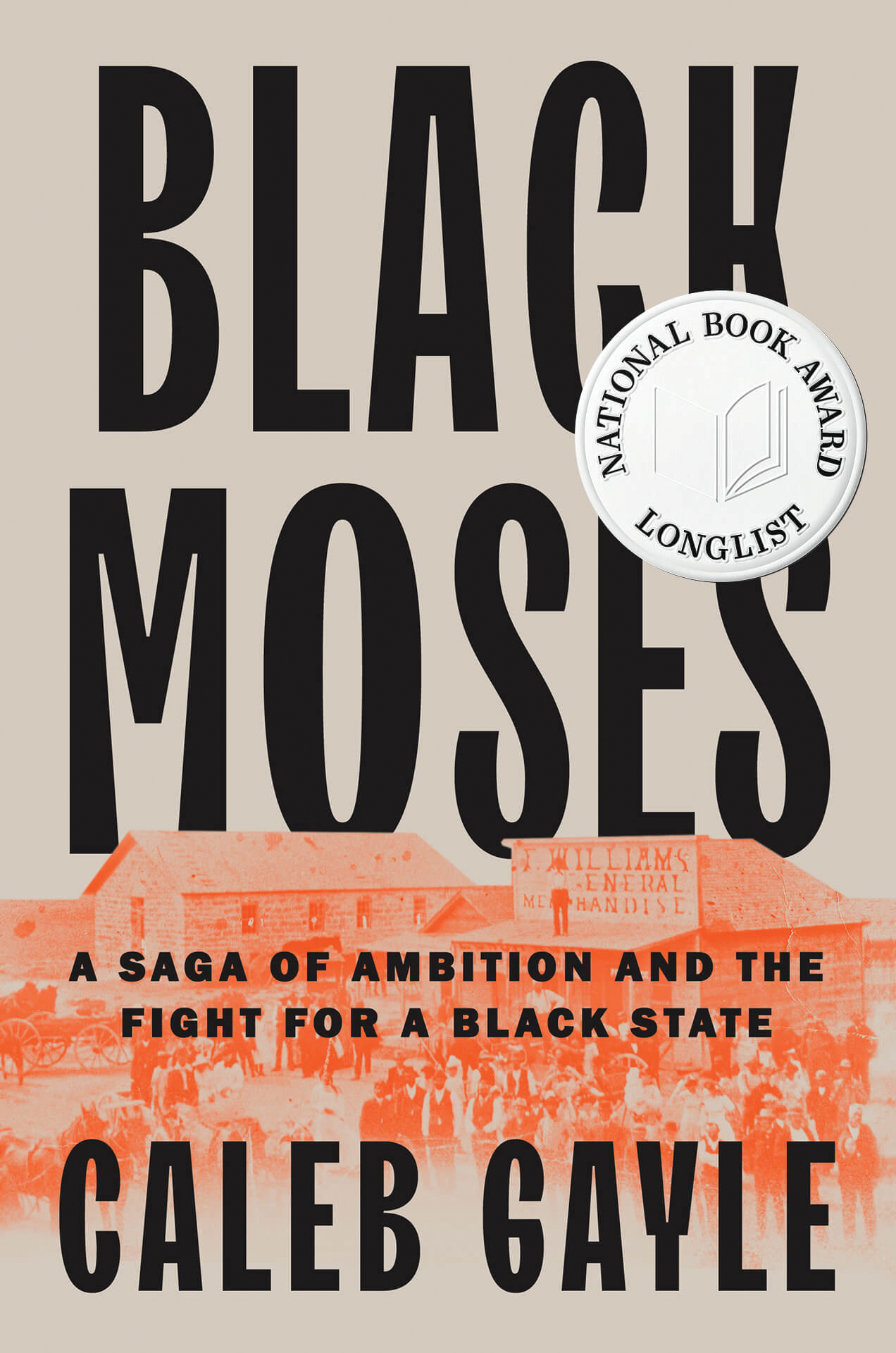
Black Moses: A Saga of Ambition and the Fight for a Black State
—
by Caleb Gayle
Caleb Gayle’s Black Moses: A Saga of Ambition and the Fight for a Black State explores the long Black struggle for land, safety, and freedom in America. Autonomous territory has been the white whale of Black politics since the end of the Civil War. Whether the dreams of a Black nation abroad in the form of a colonial space outside of the United States or of a set-aside Black state here at home, the notion of land where Black people would be free has never left the American discourse. This book explores the origins of that thirst for land and the roots of Black nationalism in the United States.
Black Moses is a jostling book, one that Gayle unspools as a history of audacity and westward expansion, wherein Black entrepreneur Edward McCabe embarks on a daring mission to inaugurate Oklahoma as a Black state. “This, ultimately, is a story of ambition, the wherewithal to dream, to hope against hope,” Gayle writes. “It’s the story of the rise and fall of early Black settlers’ ambition for the Old West and is a tale of the West, and of America, in microcosm. It’s the story of being forced to leave in order to start again, only to lose it all, and a fight for a century to recover nuggets of truth among the wreckage. It’s the story of hope and what comes after; of brief moments of racial equity, and what comes after; of dreams, big ones, and what comes after we wake up.”
As Black political power is under attack today, this desire for freedom and autonomy is more understandable than ever. For readers looking to understand the strands of Black nationalism and the ongoing desires for racial freedom, you can’t find a better read.
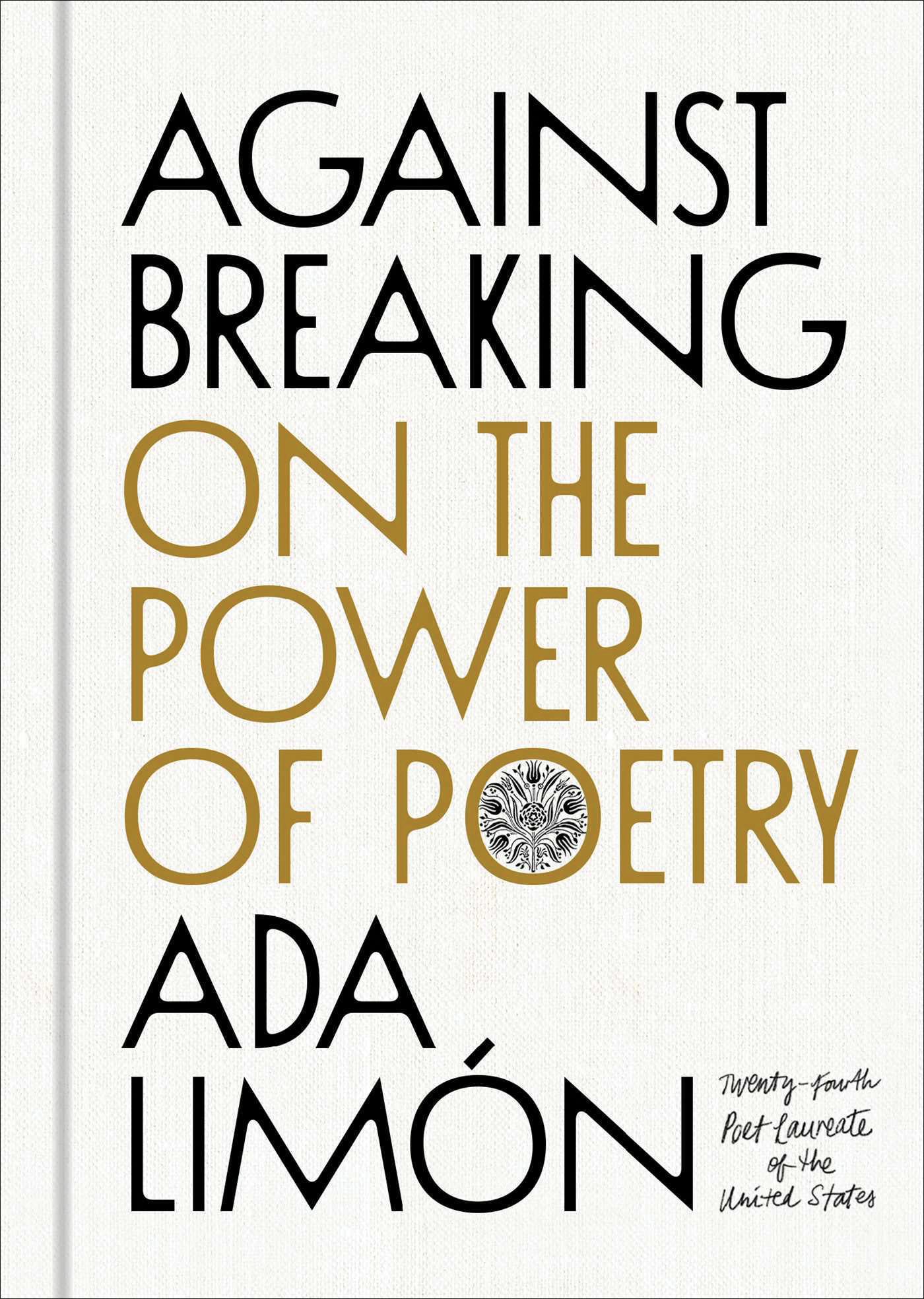
Against Breaking: On the Power of Poetry
—
by Ada Limón
Dedicated to Carla Hayden, the Librarian of Congress who was unceremoniously ousted by the Trump administration, this slim volume by the 24th Poet Laureate of the United States aims to do one thing: make the case for poetry.
Here, Ada Limón, the descendant of Mexican immigrants, describes poems as protection, as witnesses, and medicine in 80 breezy pages. Limón’s signature initiative during her tenure, the You Are Here project, displayed poetry in the natural world, specifically at national parks. Because according to Limón, “Poetry is meant to be free. It’s meant to be given. It’s meant to travel one poem at a time like pollen from a tree, floating through the air to make more trees.”
Long before Limón and her effort to intertwine poetry and the natural world, a poem was affixed to the base of the nation’s most recognizable National Park monument — the Statue of Liberty.
Give me your tired, your poor,
Your huddled masses yearning to breathe free,
The wretched refuse of your teeming shore.
Send these, the homeless, tempest-tost to me,
I lift my lamp beside the golden door!
Limón accurately notes that this poem describes a United States that’s unrecognizable. The “Mother of Exiles” has exiled the tired, poor, huddled masses, has snuffed her “beacon-hand” that once “glowed world-wide welcome.” In Against Breaking, Limón gifts readers with words to return to — both in times of triumph and tribulation.
The Beginning
Comes After the End:
Notes on a World of Change
—
by Rebecca Solnit
In The Beginning Comes After the End, the prolific Rebecca Solnit encourages readers to take the long view of history, giving examples of actions big and small influencing social movements across space and time. These examples show that four to eight years under an authoritarian administration, while hardly ideal, is not the end of our story. “Behind every beginning is another beginning, another story,” Solnit writes. Though many may be despondent as America enters her 250th year, Solnit gives us a lesson from the mighty sequoia, which only releases seeds when fire comes and melts the resin — “in destruction is the regeneration.” An apt metaphor for the current climate crisis, but the same can be said of ideas, of courage, of hope. It’s a needful fact if these United States plan to make it another 250 years.
Vigil
—
by George Saunders
“You stand accused […] You find yourself reluctant to engage with these accusations lest they invalidate all that you have accomplished.” So says Jill, a spirit guide to the dying K.J. Boone. Boone is an unrepentant oil tycoon who knowingly led efforts that accelerated global warming. His fellow global warmers describe him as “pigheaded, with an astonishingly limited capacity for self-examination.”
If Boone is America’s synecdoche, then the 250th birthday bells may very well be death knells. And just as Boone disregards Jill’s advice for introspection, so too do the zealots in our midst.
According to the current administration, critical coverage of reckless climate action and senseless wars is treasonous. Texts critiquing the president are treasonous. Hell, not applauding the president with enough gusto is treasonous.
With climate change denial on the rise and an illegal, $1 billion a day war that emitted an estimated 5 million tons of greenhouse gases in the first two weeks alone in Iran, we can’t afford to wait for the K.J. Boones of the world to realize their sins on their deathbeds. We, the living, and the yet-to-be-born must deal with the consequences of their selfish, capitalistic actions. We cannot count on a change of heart that only materializes in the spirit realm as it did for Saunders’s Boone.
In other words, “If this be treason, make the most of it.”
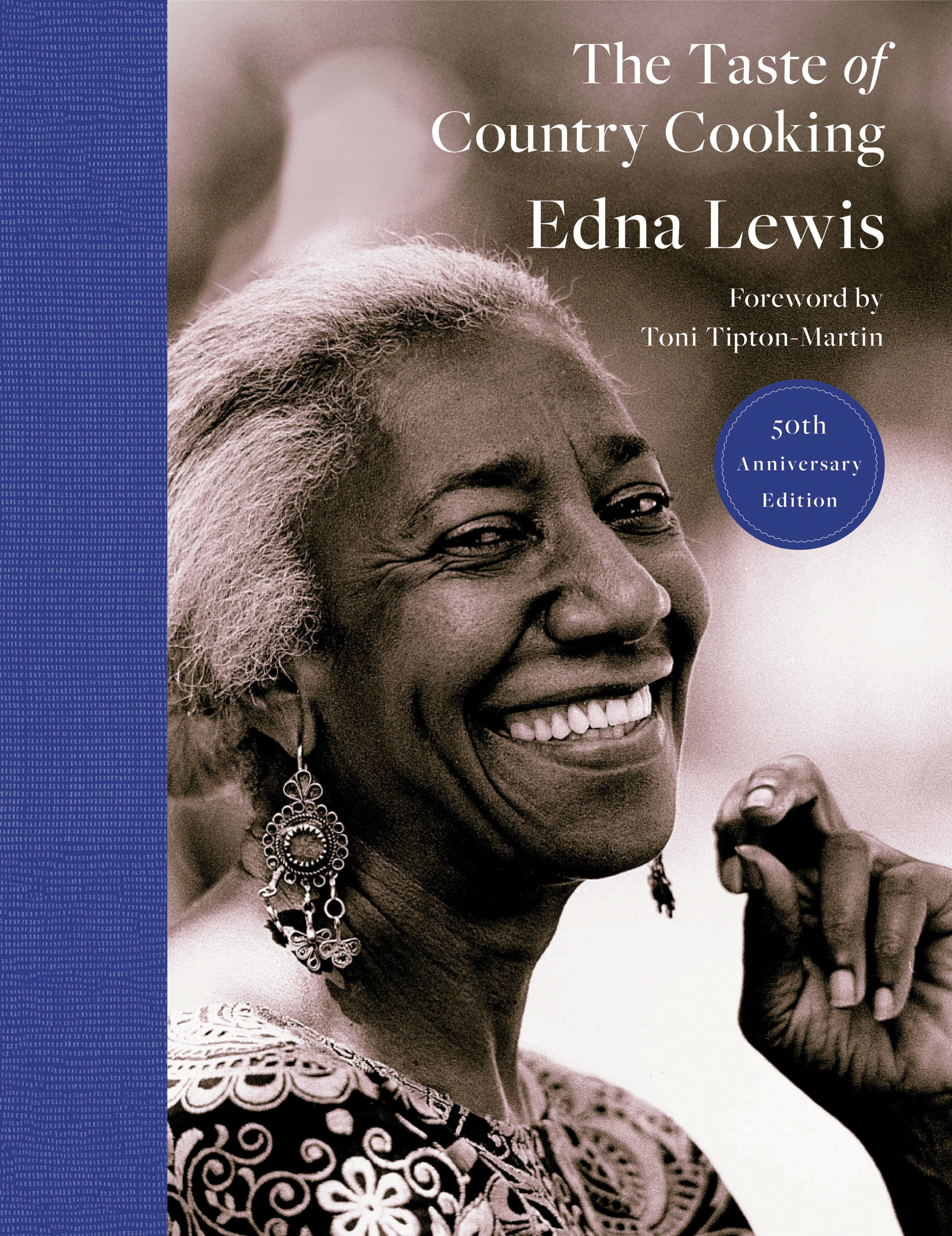
The Taste of Country Cooking: 50th Anniversary Edition: A Cookbook
—
by Edna Lewis
This classic 1976 cookbook, reissued for its 50th anniversary, encourages us to commune with nature and each other as we share a meal. These recipes share histories of Black American foodways that continue to shape how many across America break bread. Introducing the menu for Revival Week, Lewis writes: “Our Revival Week always began on the second Sunday in August. Memories of slavery lingered with us still, and Revival was in a way a kind of Thanksgiving. There was real rejoicing: The fruits of our hard labor were now our own, we were free to come and go, and to gather together for this week of reunion and celebration.”
Reunite and celebrate with this thoughtful, timeless cookbook.
Gather: Black Food, Nourishment, and the Art of Togetherness
—
by Ashanté M. Reese
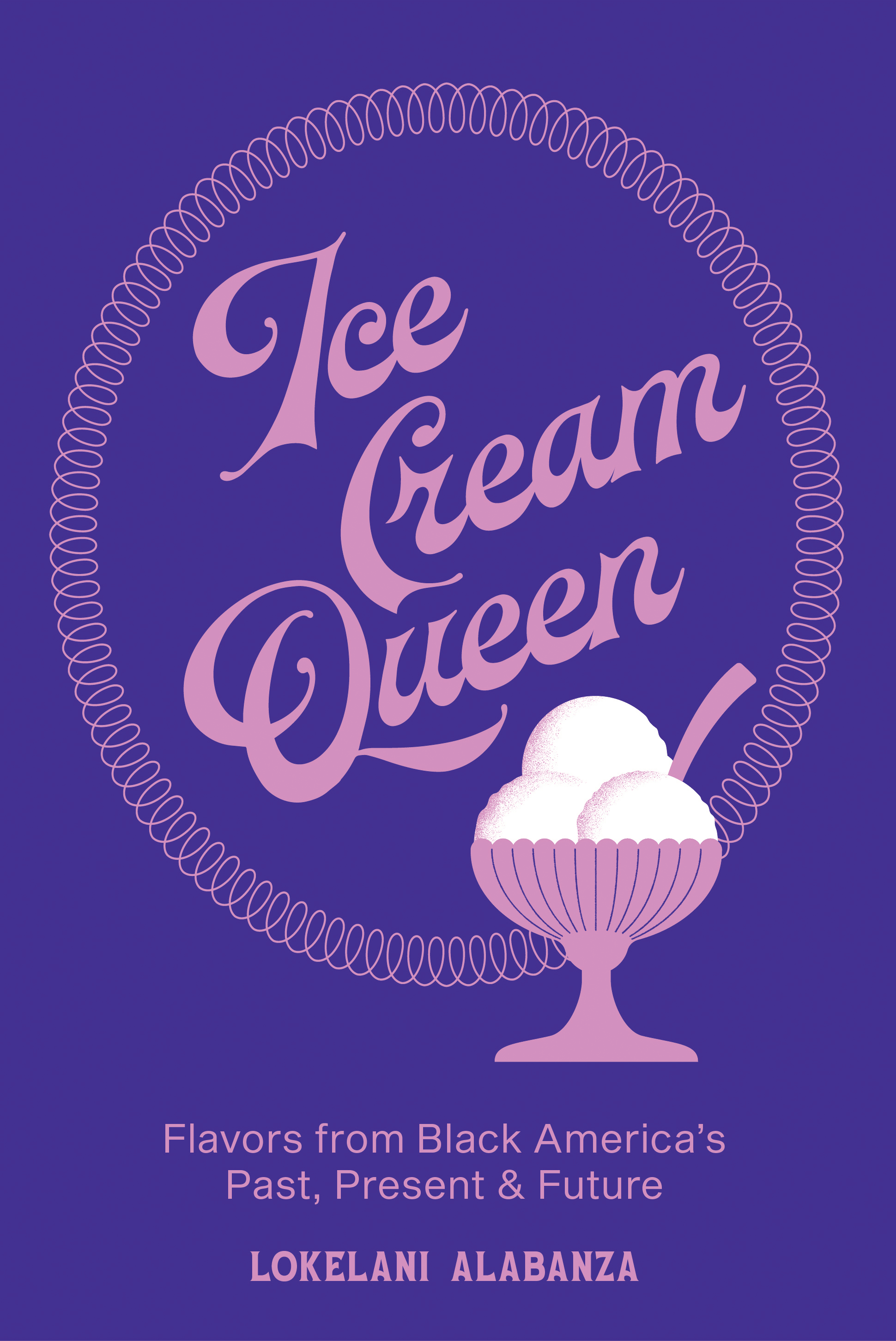
Ice Cream Queen: Flavors from Black America’s Past, Present & Future
—
by Lokelani Alabanza
In both Gather and Ice Cream Queen, Ashanté M. Reese and Lokelani Alabanzi, respectively, center Black folks and Black foodways. Reese, an anthropologist from Cooper Settlement, Texas, engages church community gardens, family reunions, a repast, and a spontaneous mutual aid group to investigate what happens when Black folks prioritize community nourishment despite “living under the precariousness of capitalism in a society built through colonialism and violence.”
In the standout second chapter on family reunions, Reese introduces readers to the concept of radical hospitality, or the practice of “setting a table, expecting that there will be guests you didn’t plan for and having extra seats just in case.”
The concept is antithetical to the current phase of the American project, a project whose leaders insist “we can’t take care of daycare” because “we’re fighting wars” and whose borders have been effectively closed. Reese shows that how, when, where, and with whom we gather is political. Who gets to eat and what they eat isn’t determined by happenstance. It’s structural. And individuals and communities need not solely rely on structures built to break us.
Nashville-based Alabanza’s Ice Cream Queen illustrates that ice cream may be more American than apple pie. From the history lesson on sugar’s integral role in the slave trade, to the re-introduction of forgotten Black ice cream innovators, this ice cream cookbook will leave you smarter and satiated.
Katie Mitchell is the author of Prose to the People: A Celebration of Black Bookstores. She’s from Atlanta with familial roots in Jackson, Mississippi.