
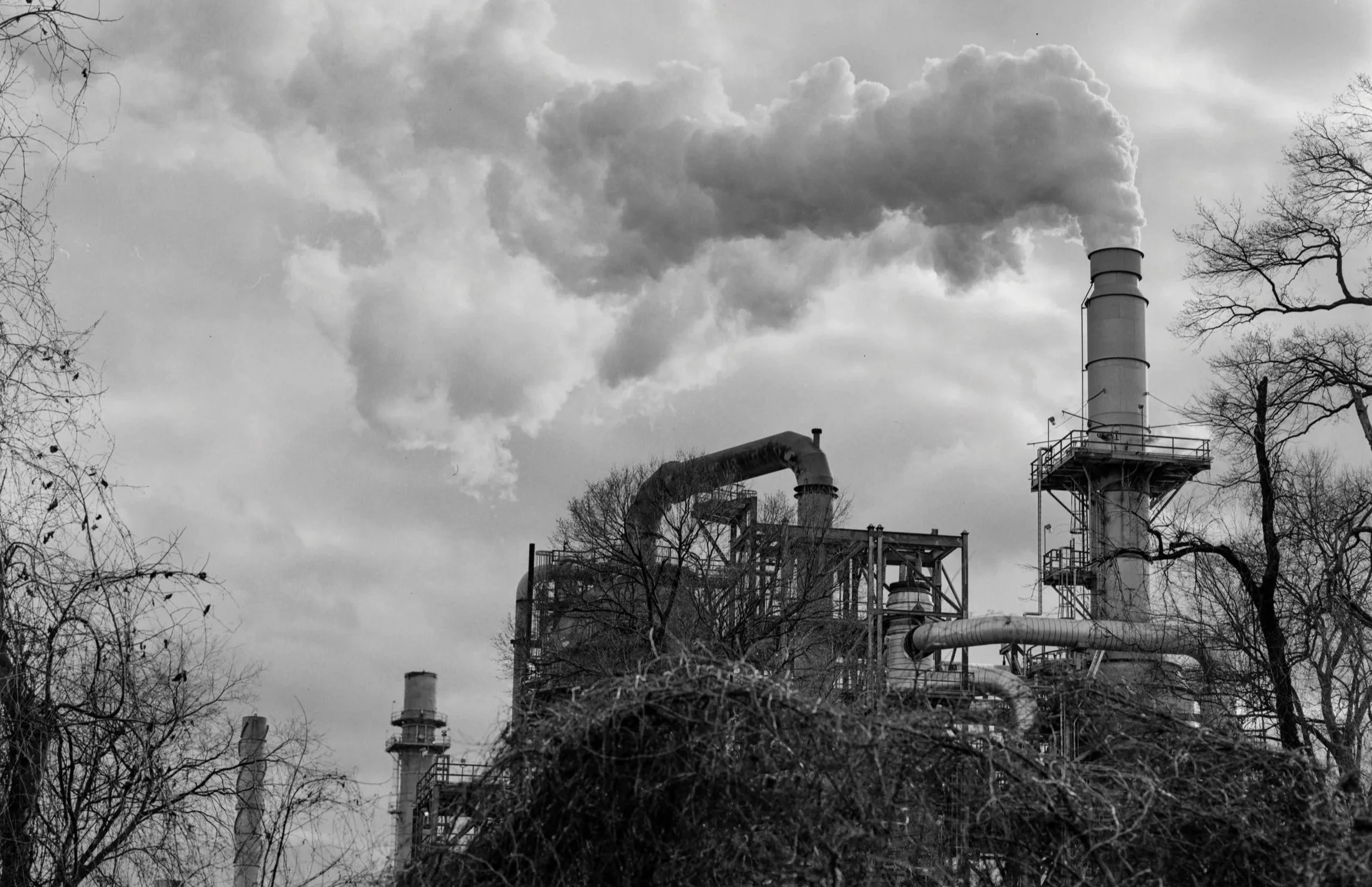

Kevin Wurm, an empathetic, self-taught photographer from Tennessee, is known for his profound connection with his subjects and their environment. Here, he captures the resilience and determination of Boxtown, a South Memphis community founded by formerly enslaved people and Freedmen, whose latest threat is dangerous emissions from a nearby data center.
Words & Photos by Kevin Wurm
August 5, 2026
—
Originally Published in Issue No. 14 of The Bitter Southerner Magazine
Air should be weightless, invisible, life-giving. But in Boxtown, a historically Black community in Southwest Memphis, air carries the weight of pollution, history, and resistance. This photo essay examines a neighborhood whose history is marked by neglect and exploitation from the city and nearby industry, including a Valero refinery, a Nucor steel plant, a TVA power plant, and others. Today, the community faces a new threat from gas turbines used by Elon Musk’s data center called xAI. Built to power X’s chatbot Grok, its turbines were installed without permits or oversight, releasing smog-forming pollution and hazardous materials like formaldehyde. Pollutants from these kinds of turbines are tied to increased rates of asthma, heart disease, respiratory illnesses, and cancer. Studies show residents here face a cancer risk four times the national average, while the American Lung Association recently gave Shelby County an “F” for ozone pollution.
This is not new. Industry has long marked Boxtown as expendable and treated it as the path of least resistance. In 2019, Plains All American and Valero proposed the Byhalia Connection Pipeline through the neighborhood, claiming the route was the most expedient. Residents, led by Memphis Community Against Pollution (MCAP) and allies, mounted a successful grassroots campaign defeating the project in 2021. Even the name “Boxtown” speaks to the resilience of the neighborhood’s origins, when surplus railroad boxcars were transformed into homes. The community was annexed by the city of Memphis in 1968, yet residents were forced to file a civil suit in 1974 to secure basic city services like paved roads and street lights. Running water did not arrive in Boxtown until the 1980s.
Primarily created in large format, my photographs are slow, deliberate, and collaborative. In Boxtown, that slowness feels essential. The measured pace of the camera mirrors the endurance residents have practiced for generations. Its patience reflects the persistence of a community that has survived neglect, pollution, and systemic injustice. Each photograph becomes a shared moment and an expression of trust, rooted in presence rather than urgency. I chose this analog and tactile process because it stands in direct contrast to the digital technology and unseen systems that are driving pollution in the neighborhood. This way of working remains grounded and human, the opposite of the technology residents must push back against as it continues to contaminate the air they breathe.
The “Weight of Air” remains both historical and immediate, honoring the legacy of a community that has endured while demanding accountability for the future it deserves. Boxtown’s story is not isolated but part of a larger American truth: Black communities have too often shouldered the cost of industry’s appetite and politics’ neglect. At a time when questions of accountability grow sharper and more urgent, Boxtown asks us to confront a larger truth in a nation where capitalism reigns supreme, at the cost of what and at the expense of whom?
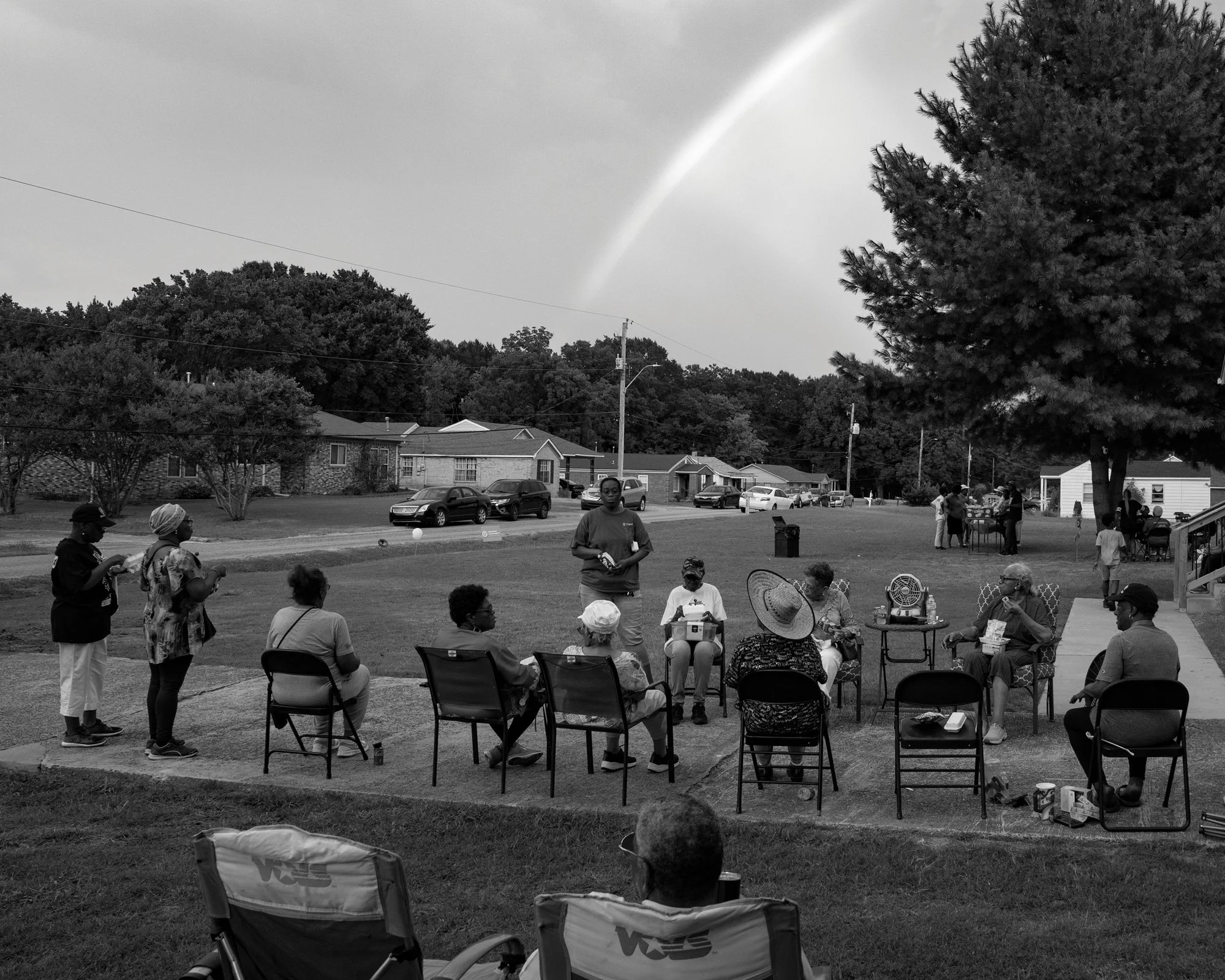
A rainbow emerged over community members gathered in a resident’s front yard during the annual “Boxtown Night Out” event in August 2025. Residents ate, played games, and listened to music until the rain came.
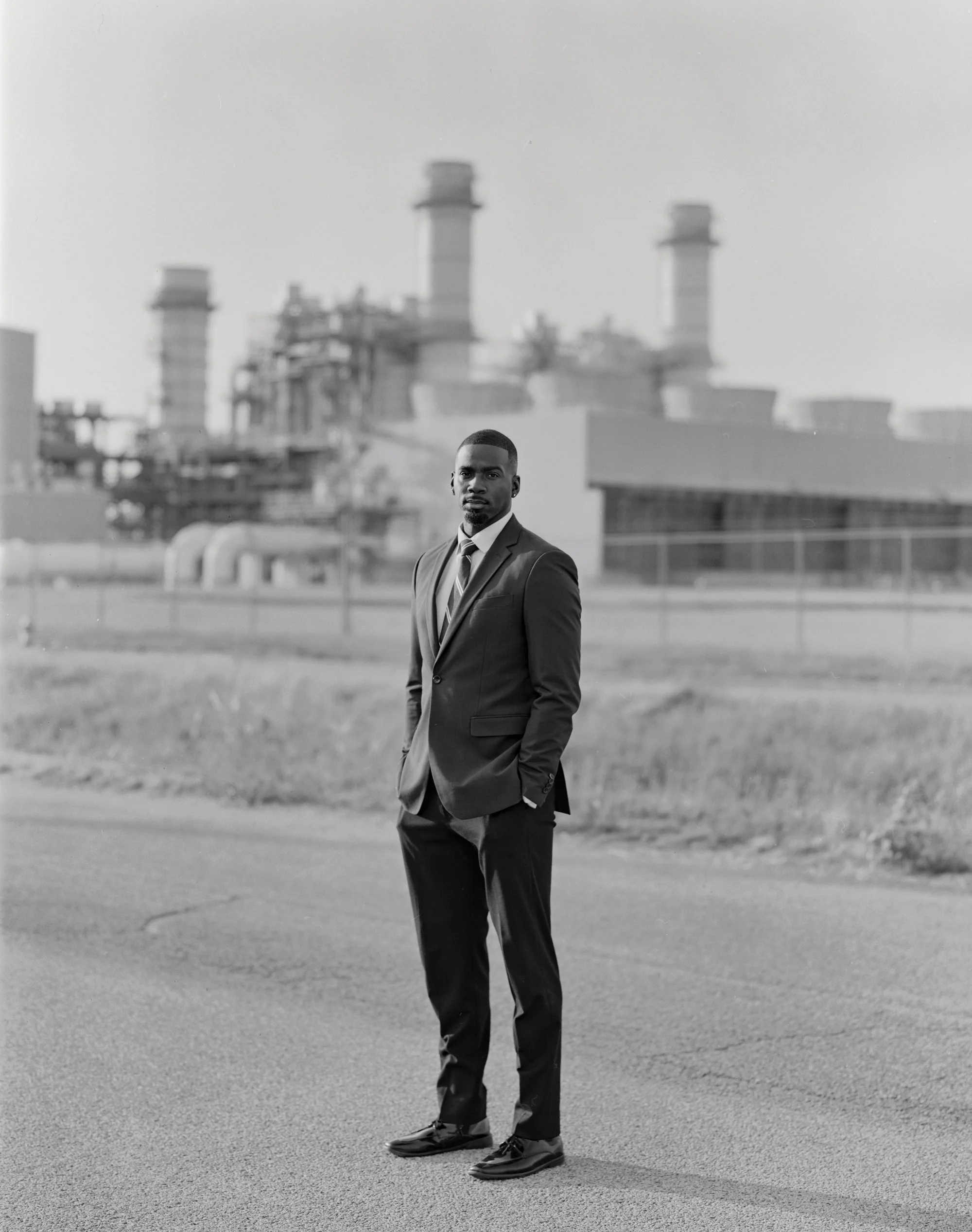
KeShaun Pearson, executive director for the Memphis Community Against Pollution (MCAP), stands outside the Tennessee Valley Authority’s combined cycle Power Plant in Southwest Memphis. Pearson, his brother, State Representative Justin Pearson, other members of his family, and their community, have been stewarding MCAP, a grassroots organization with a track record of victories against environmental racism since 2021.
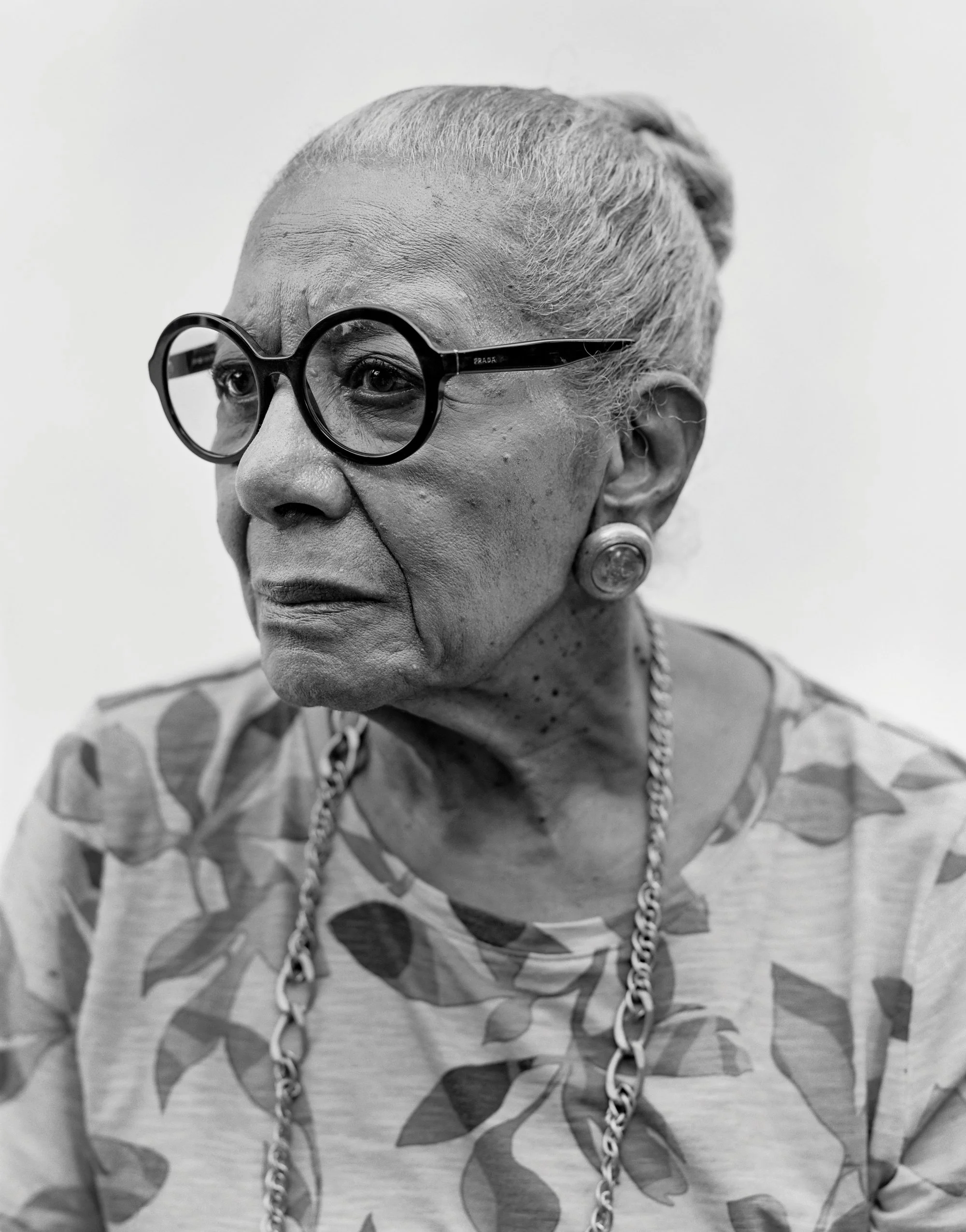
Madea Gooch, 89, stands for a portrait at her home in Boxtown. She tries to stay active in the current fight against the data centers polluting her community. She is the ninth of 11 children and the only one still alive. “That says to me that God still has something for me to do,” she says.
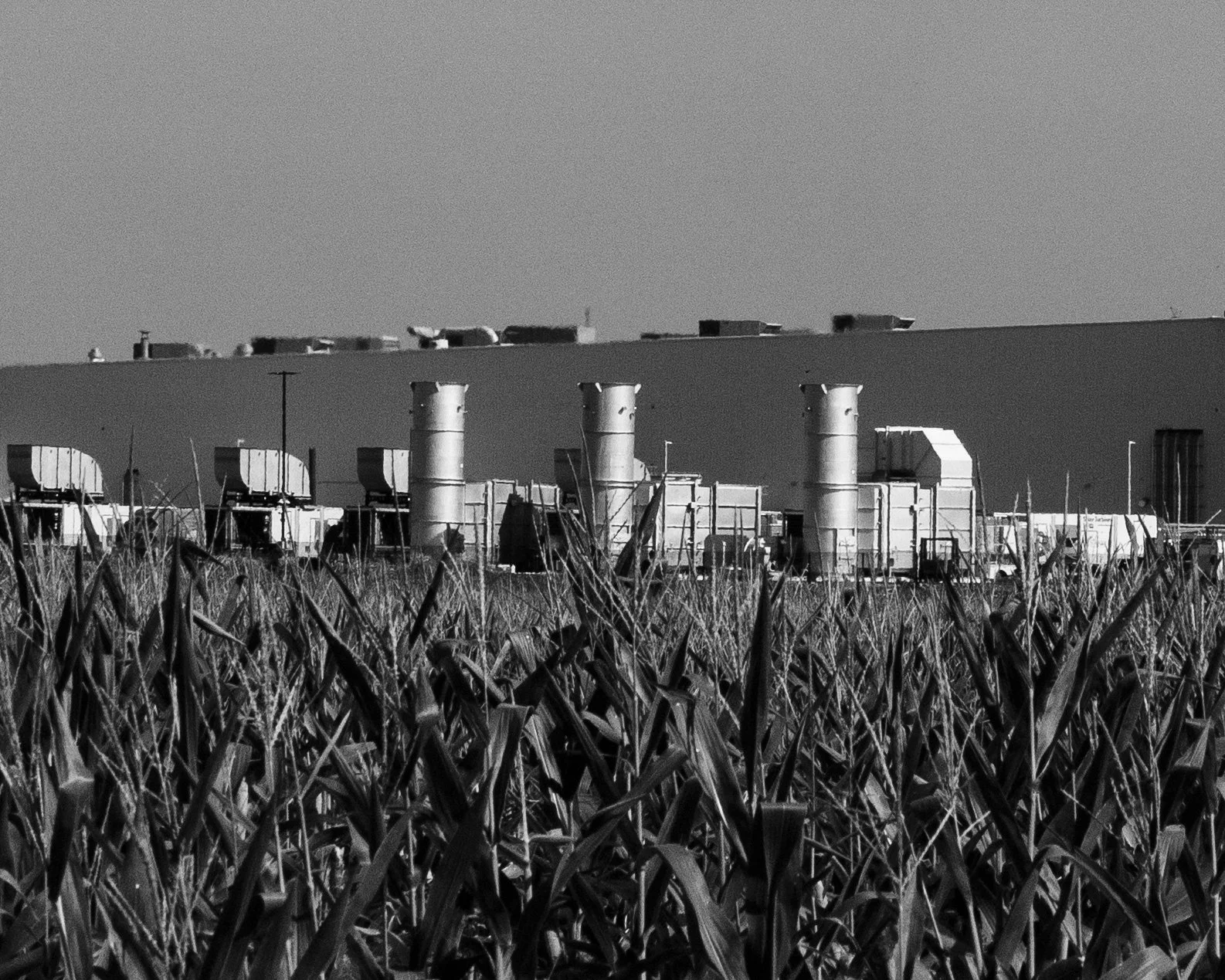
Methane gas turbines at the xAI Colossus 1 data center are used to produce the massive amounts of electricity the data center requires to operate. The turbines emit smog-forming pollutants and hazardous materials like formaldehyde that are linked to health risks like heart disease, increased rates of asthma, cancer, and respiratory illnesses.
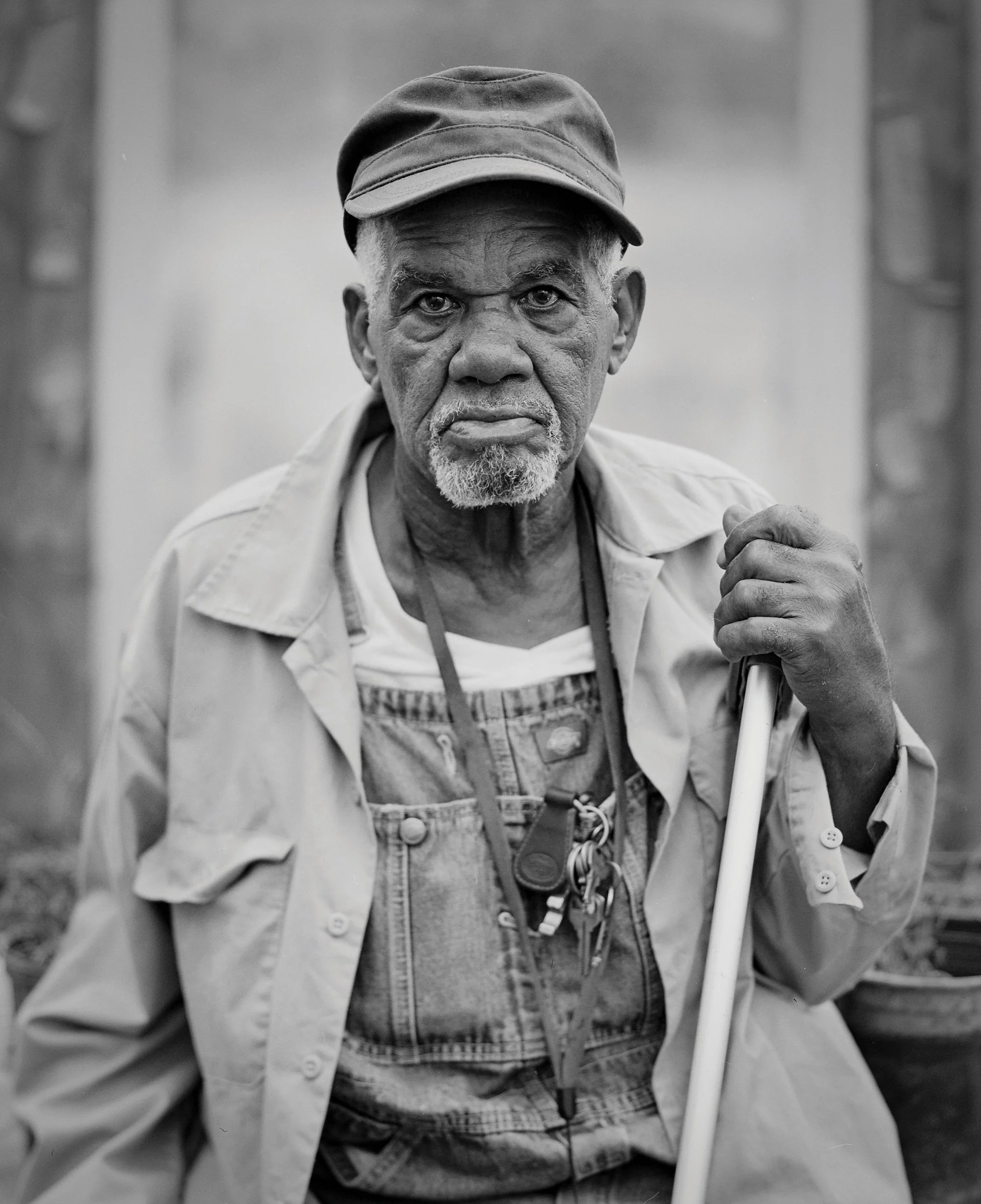
Local farmer and lifelong Boxtown resident Dewey Brown Jr. sits for a portrait inside his Boxtown greenhouse, where he grows produce for sharing, selling, and sustenance.
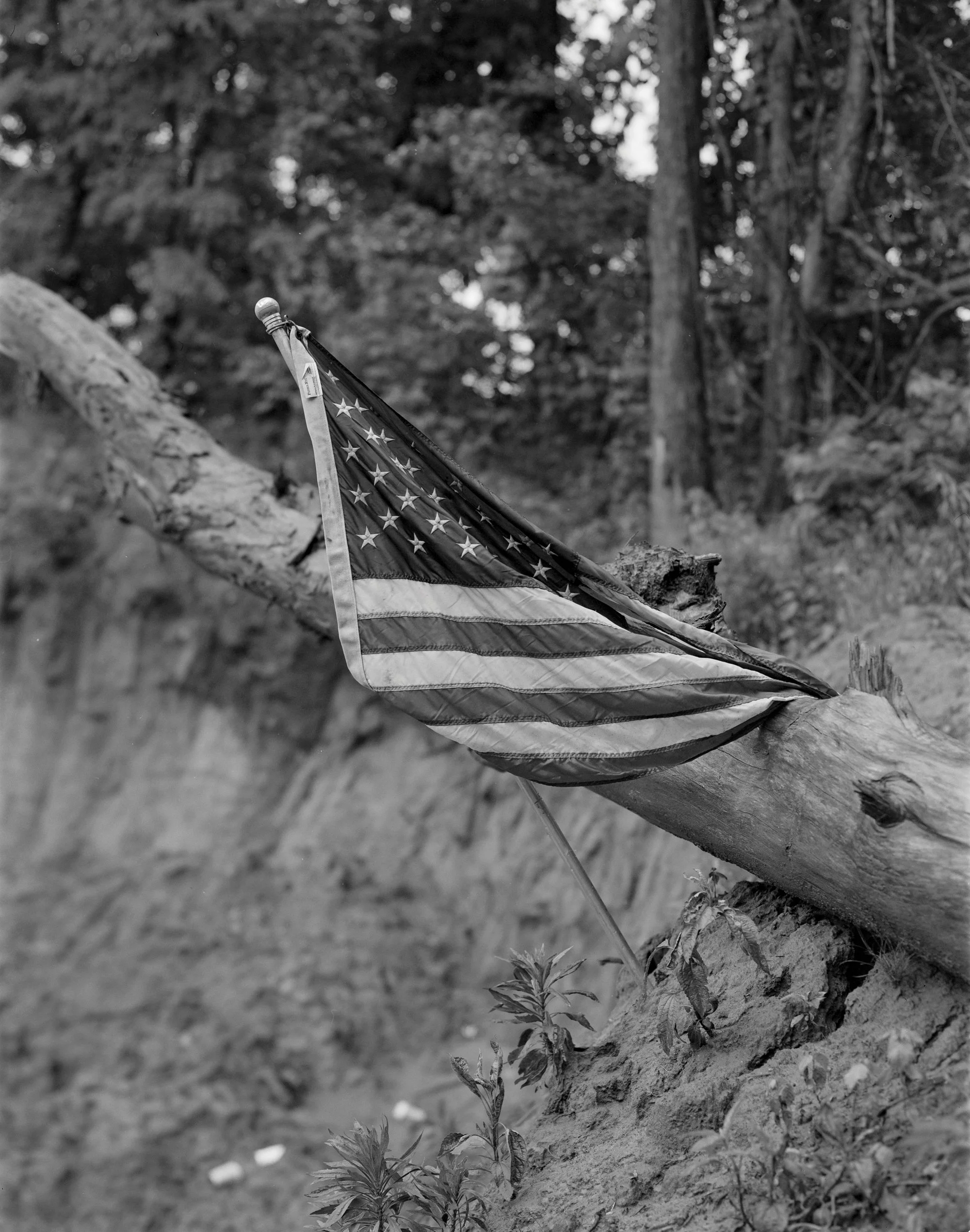
An American flag draped over a felled tree at an excavation site in Boxtown. Dr. Mustafa Santiago Ali coined the term “sacrifice zones” for places where near irreparable human harm has been done for the benefit of the larger economy, political entity, or investors. According to the Southern Environmental Law Center, these sacrifice zones are “a reality of deathly proportions” that disproportionately impacts Black people, people of color, and lower-income communities.
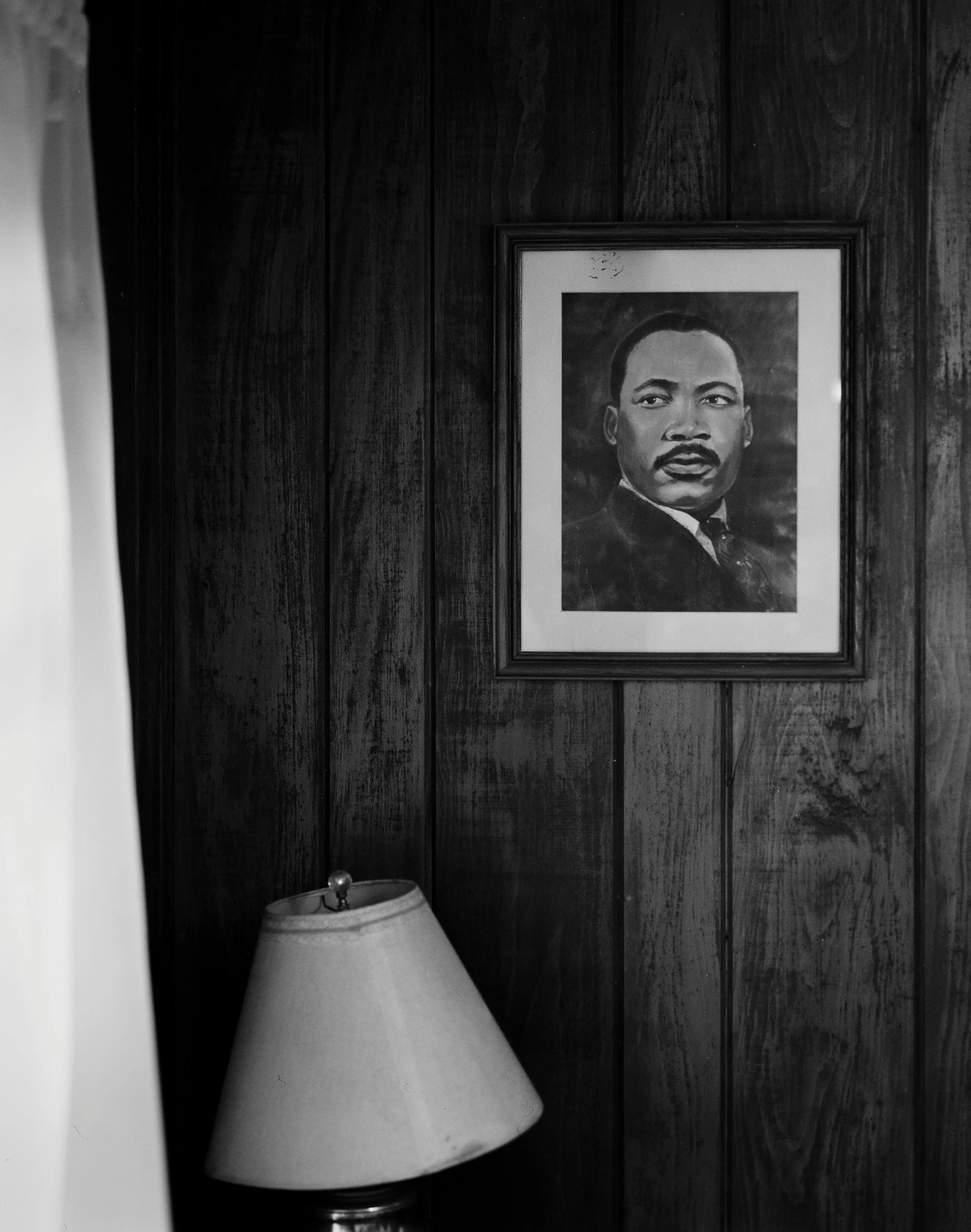
A portrait of. Martin Luther King, Jr. in the living room of Dewey Brown, Jr.’s Boxtown home. King, who came to Memphis to support the striking sanitation workers, was assassinated here in 1968.
This work was created in collaboration with MLK50: Justice Through Journalism.
This story was produced in partnership with CatchLight and Report for America as part of the CatchLight Local Visual Desk. To learn more about this collaborative model for local visual journalism, sign up for CatchLight’s newsletter.
Kevin Wurm is a Report for America (RFA) Fellow and a MLK50 Photographer.
Featured in Issue No. 14